The Case for Akiya Over Apartments
Here is a number that should make any remote worker paying Tokyo rent pause: the average one-bedroom apartment in central Tokyo costs around ¥120,000–¥150,000 per month. That is ¥1,440,000–¥1,800,000 per year — money that builds zero equity, buys zero square metres, and vanishes the moment you stop paying.
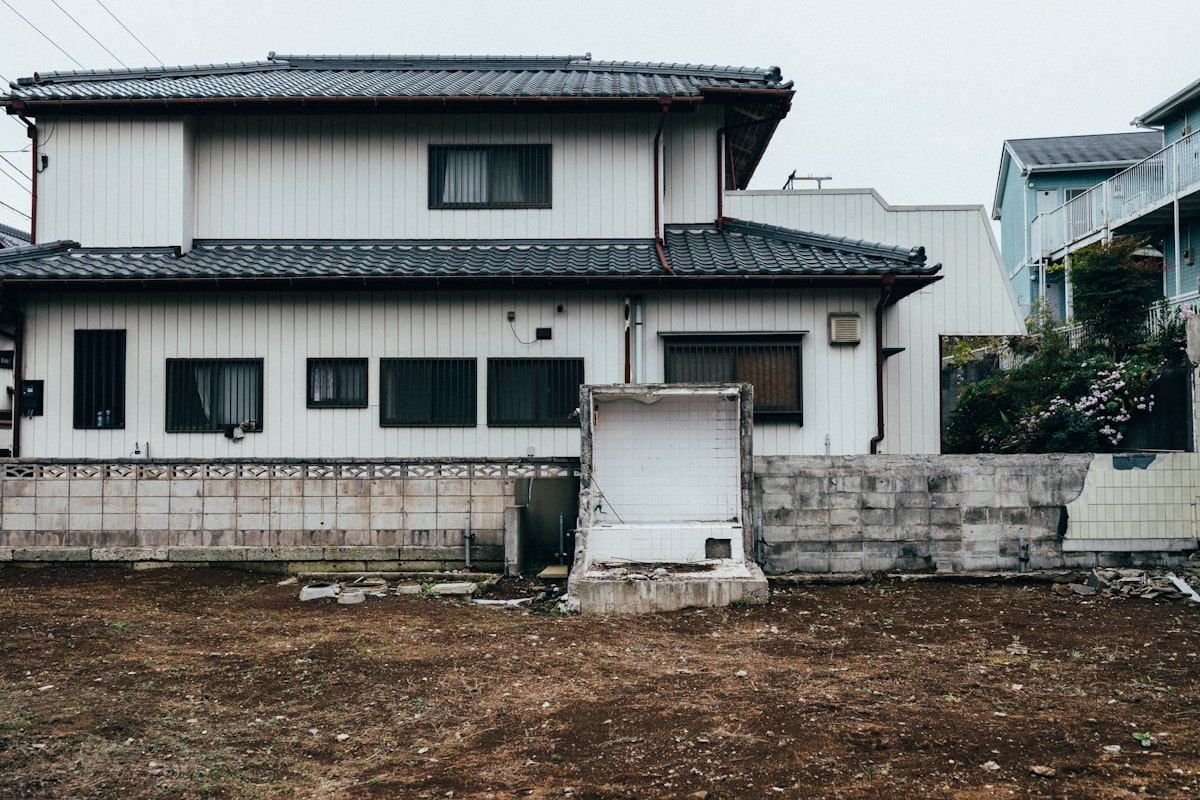
Meanwhile, a structurally sound akiya (vacant house) in a well-connected small city can be purchased outright for ¥2,000,000–¥5,000,000 — roughly one to three years of Tokyo rent. Many come with land, a garden, parking, and enough space for a proper home office. Some municipalities will practically give them away through akiya bank programs, with properties listed at ¥0–¥500,000.
For digital nomads earning in dollars, euros, or pounds, the arithmetic is even more compelling. A remote salary of $60,000 USD translates to roughly ¥9,000,000 at current exchange rates — comfortably above the digital nomad visa threshold and enough to live well in rural Japan while building a real asset.
This guide covers everything needed to make that transition: visa pathways, internet infrastructure, workspace options, regional recommendations, and a full cost comparison that explains exactly why buying an akiya might be the smartest financial move a remote worker can make.
Visa Pathways for Remote Workers in Japan
Japan offers several visa categories relevant to digital nomads, each with different requirements, limitations, and long-term implications. Choosing the right one depends on income level, nationality, and whether property ownership is part of the plan.
The Digital Nomad Visa (Designated Activities)
Launched in April 2024, Japan's Digital Nomad Visa allows citizens of 49 eligible countries to live and work remotely in Japan for up to six months. The key requirements:
- Income: Minimum ¥10,000,000 per year (approximately $67,000 USD) from employers or clients outside Japan
- Insurance: Private health insurance with minimum ¥10,000,000 coverage, including medical treatment, hospitalisation, and repatriation
- Nationality: Passport from one of 49 eligible countries (US, UK, EU nations, Australia, Canada, Singapore, and others)
- Work restriction: Remote work only for non-Japanese entities. No local employment or business activities permitted
Critical limitations to understand: the visa is non-renewable (a new application is required each time), holders do not receive a Residence Card, and they cannot enrol in Japan's National Health Insurance. The six-month maximum means this visa works best for extended trial periods rather than permanent relocation.
The digital nomad visa does not prevent property ownership. Foreigners can buy property in Japan regardless of visa status or residency — there are no nationality restrictions on real estate purchases.
Longer-Term Visa Options
For digital nomads planning to settle permanently, several alternatives exist:
Engineer/Specialist in Humanities/International Services Visa: Requires a contract with a Japanese company, but some remote workers have qualified by establishing a relationship with a Japan-based employer or client. Valid for 1–5 years and renewable.
Business Manager Visa: For those willing to establish a Japanese company (GK or KK). As of October 2025, requirements have tightened significantly: ¥30,000,000 in capital (up from ¥5,000,000), at least one full-time local employee, dedicated office space, and Japanese language proficiency at JLPT N2 level. This path now suits established entrepreneurs with substantial capital, not bootstrapping freelancers.
Startup Visa: A more accessible alternative for entrepreneurs, offering six months (extendable up to two years as of 2025) with lower initial capital requirements. Designed as a stepping stone toward the Business Manager Visa.
Highly Skilled Professional Visa: Points-based system factoring in income, education, and professional experience. High earners with advanced degrees can qualify relatively quickly, and this visa offers a pathway to permanent residency in as little as one year for those scoring 80+ points.
The Property Ownership Question
A common misconception: buying property in Japan does not grant residency rights. Ownership and immigration status are entirely separate systems. A digital nomad can buy an akiya on a tourist visa waiver, a digital nomad visa, or with no visa at all — but owning the property does not extend permission to stay.
That said, property ownership demonstrates ties to Japan and can strengthen visa applications. For those on a Startup Visa or Business Manager Visa, owning a property that generates rental income (such as a renovated akiya used as a vacation rental) can count toward business activity requirements.
Internet Infrastructure: The Rural Reality
Reliable internet is non-negotiable for remote work. Japan's reputation for technological excellence is largely deserved, but coverage varies significantly between urban centres and the countryside. Here is what to actually expect.
Fibre Optic Coverage
NTT's fibre network (marketed as "Flet's Hikari") covers most of Japan, including many rural towns. Standard plans deliver 1 Gbps download speeds at ¥4,400–¥5,500 per month for a standalone connection, or ¥3,500–¥4,500 bundled with a mobile plan. Actual speeds typically range from 200–600 Mbps — more than sufficient for video calls, file transfers, and cloud-based work.
Regional electric utility companies also operate fibre networks: Kansai Electric's Optage (eo hikari), Chubu Electric's CNS (CommUfa), and others extend service along existing power infrastructure, sometimes reaching areas NTT does not.
The catch: installation requires scheduling an NTT technician visit, which can take 2–4 weeks in urban areas and 4–8 weeks in rural locations. For a newly purchased akiya, the property may need new wiring — budget ¥20,000–¥30,000 for installation fees and allow up to two months lead time.
Starlink: The Rural Backup Plan
For akiya in truly remote locations where fibre has not yet reached, Starlink is now fully available across Japan. The setup:
- Hardware: Standard kit ¥73,000 (periodic promotions drop this to ¥36,500); Starlink Mini ¥34,800
- Monthly service: ¥6,600–¥12,300 depending on the plan
- Speeds: 50–250 Mbps with typical latency of 20–40ms
- Installation: Self-install in 15–30 minutes using the Starlink app — no technician needed
Starlink is a genuine game-changer for remote properties. A mountain akiya with no landline and no fibre can have working broadband within an hour of the dish arriving. The latency is higher than fibre (making it suboptimal for competitive gaming), but perfectly adequate for Zoom calls, Slack, and document collaboration.
Mobile Data as a Bridge
While waiting for fibre installation or as a portable backup, Japan's mobile networks are excellent. Budget SIM plans from providers like IIJmio, LINEMO, or povo offer 20–50 GB of data for ¥2,000–¥3,000 per month. Tethering to a phone provides 20–80 Mbps in most towns — enough for a workday if fibre is temporarily down.
5G coverage now extends to most prefectural capitals and many smaller cities. The government's target of 90% population coverage by 2024 has been largely met in populated areas, though mountain valleys and remote coastlines still rely on 4G.
How to Check Before You Buy
Before committing to any akiya, verify internet availability:
- Check NTT's coverage map at the Flet's Hikari website — enter the property address to confirm fibre availability
- Visit the property with a mobile phone and run speed tests on at least two carriers
- Ask neighbours about their internet setup — if nearby houses have fibre, yours likely can too
- For properties outside fibre zones, confirm Starlink availability (currently nationwide in Japan)
- Check if the municipality offers broadband subsidies — some rural towns subsidise installation for new residents
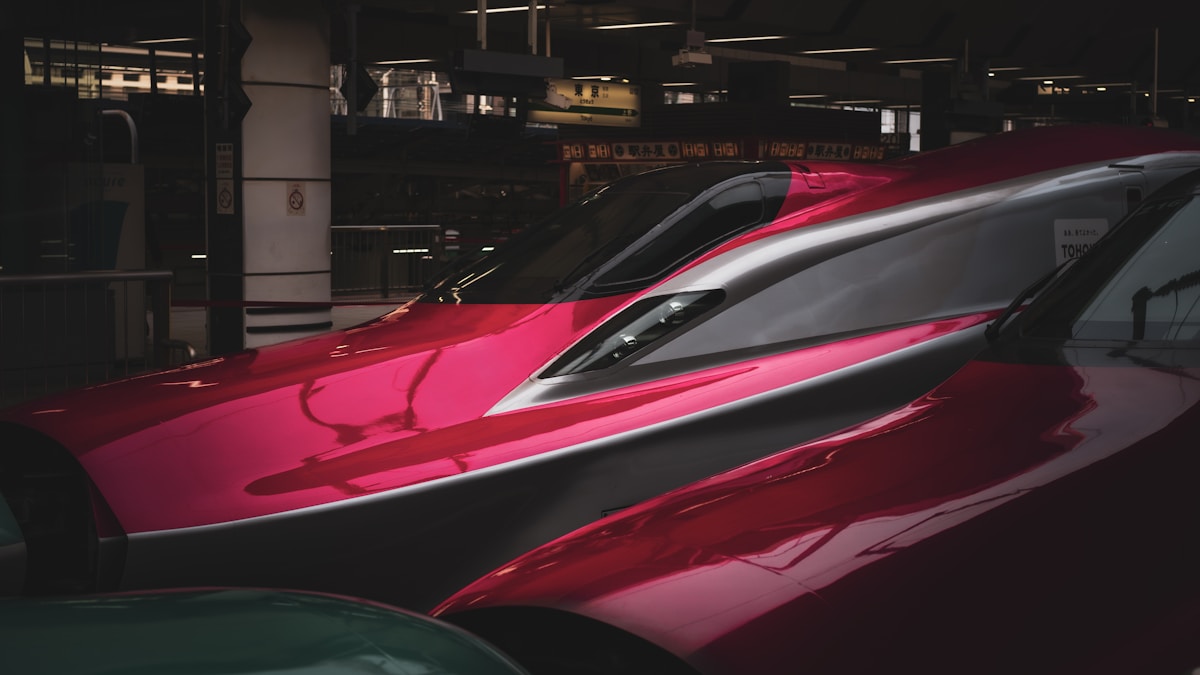
Japan's rail network provides excellent connectivity even from rural areas — many digital nomads combine akiya ownership with occasional city trips — Unsplash
Workspace Options Beyond the Spare Bedroom
Working from home is the obvious default, but dedicated workspace matters for productivity, social interaction, and the mental separation between work and life. Japan's coworking landscape outside major cities is thinner than in Tokyo or Osaka, but viable options exist.
Coworking Spaces in Regional Cities
Japan's coworking market reached approximately $520 million in 2025, though the vast majority of that activity concentrates in Tokyo, Osaka, and Nagoya. In regional cities with populations of 100,000–500,000, coworking spaces do exist but typically operate differently from their urban counterparts:
- Pricing: Hot desk memberships typically run ¥10,000–¥20,000 per month — roughly half the Tokyo rate of ¥20,000–¥40,000
- Availability: Most prefectural capitals have at least one or two coworking options. Cities like Matsumoto, Kanazawa, Takasaki, and Fukuoka have thriving scenes
- Community: Smaller spaces often have tighter communities. Regular members know each other, events are more personal, and the mix of local freelancers and relocating remote workers creates interesting connections
- English friendliness: Variable. Franchise operations (Regus, WeWork in larger cities) typically offer English-language support. Independent spaces may operate primarily in Japanese, though staff are usually welcoming regardless of language
Library and Public Facilities
Japanese public libraries are clean, well-maintained, and often remarkably modern. Many prefectural and city libraries offer free Wi-Fi and designated study areas with power outlets. While not formal coworking spaces, they provide a quiet, free workspace for focused tasks. Etiquette note: phone calls and video meetings are not appropriate in libraries.
Municipal community centres (公民館 (kōminkan), kōminkan) sometimes offer meeting rooms that can be reserved for nominal fees — ¥500–¥2,000 for several hours. Some have been specifically renovated for remote workers as part of municipal "workation" initiatives.
Café Culture for Remote Work
Chain cafés like Komeda Coffee, Doutor, and Starbucks are common even in smaller cities and generally tolerate laptop workers during off-peak hours. Komeda Coffee is particularly popular among remote workers for its spacious seating, power outlets, and generous morning service (free toast and egg with any drink before 11 AM).
Independent kissaten (traditional coffee shops) vary — some welcome lingering, others expect quicker turnover. Reading the room is essential. A good rule: order something every 90 minutes, keep the volume off, and avoid peak lunch hours.
Building a Home Office in Your Akiya
One of the strongest arguments for buying over renting: unlimited freedom to create the perfect workspace. A typical akiya offers rooms that convert beautifully into home offices:
- A tatami room with a low desk and floor cushion for a traditional Japanese workspace
- A renovated spare room with a standing desk and external monitor — budget ¥50,000–¥100,000 for basic office furniture from Nitori or IKEA (available online)
- An engawa (veranda) enclosed with glass, creating a sunlit workspace overlooking the garden
- A detached storage building (物置 (monooki), monooki) converted into a separate studio — common on rural properties and perfect for maintaining work-life boundaries
For tax purposes, digital nomads working from a home office in Japan should track the percentage of the property used exclusively for work. This may be deductible against income depending on visa status and tax obligations.
The Financial Case: Tokyo Rent vs. Akiya Ownership
This is where the numbers make the strongest argument. The comparison below uses real 2025–2026 market data for a single remote worker or couple.
Scenario 1: Renting in Tokyo
A one-bedroom apartment in a reasonably central Tokyo ward (Suginami, Nakano, Koenji area — popular with younger professionals):
- Monthly rent: ¥120,000
- Key money (礼金 (reikin)): ¥120,000 (one month, non-refundable, paid at move-in)
- Deposit (敷金): ¥120,000 (one month, partially refundable)
- Agency fee: ¥132,000 (one month + tax)
- Guarantor company: ¥60,000 (50% of monthly rent, required for most foreigners)
- Fire insurance: ¥20,000 per year
- Utilities: ¥12,000–¥18,000 per month
- Internet: ¥4,500 per month
Total move-in cost: approximately ¥452,000
Annual ongoing cost: approximately ¥1,638,000–¥1,710,000
Over five years, that is ¥8,190,000–¥8,550,000 in rent alone — with nothing to show for it.
Scenario 2: Buying an Akiya in a Regional City
A three-bedroom detached house in a small city (within 90 minutes of a shinkansen station), purchased for ¥3,000,000:
- Purchase price: ¥3,000,000
- Agent commission: ¥198,000 (plus tax, for properties under ¥4M the formula caps at a lower rate)
- Registration and stamp duty: ¥100,000–¥200,000
- Judicial scrivener fee: ¥80,000–¥120,000
- Property acquisition tax: ¥30,000–¥100,000 (one-time, assessed on a reduced valuation)
- Annual property tax (固定資産税 (kotei shisan-zei)): ¥30,000–¥80,000 per year for rural residential property
- Annual maintenance estimate: ¥200,000 (roof, plumbing, minor repairs averaged over time)
- Light renovation: ¥500,000–¥1,500,000 (new kitchen, bathroom refresh, insulation improvements — optional but recommended)
- Utilities: ¥15,000–¥20,000 per month (slightly higher than urban apartments due to larger space)
- Internet: ¥4,500 per month
Total acquisition cost (including light renovation): approximately ¥4,400,000–¥5,100,000
Annual ongoing cost: approximately ¥494,000–¥600,000
Over five years, total cost is ¥6,870,000–¥8,100,000 — similar to Tokyo rent but with a tangible asset remaining. After year five, ongoing costs drop to under ¥600,000 annually while the Tokyo renter continues paying ¥1,700,000+ every year.
The Breakeven Point
Even accounting for renovation costs and the reality that older properties depreciate in Japan, the breakeven point typically falls between years three and five. After that, the akiya owner's annual housing cost is roughly one-third of the Tokyo renter's. Over a decade, the difference can exceed ¥10,000,000.
For digital nomads earning foreign currency, the weak yen amplifies these savings. At ¥150 to the dollar, a $3,500 monthly salary covers all living expenses in rural Japan with room to spare — while that same salary in Tokyo requires careful budgeting.
Monthly Cost of Living: Rural Japan vs. Tokyo
A realistic monthly budget comparison for a single remote worker:
Rural Small City (Population 50,000–200,000)
- Housing: ¥0 (owned) or ¥30,000–¥50,000 (renting)
- Property tax + maintenance: ¥20,000–¥25,000 (if owned, averaged monthly)
- Food: ¥35,000–¥50,000 (fresh produce is often cheaper; local farmers' markets are excellent)
- Utilities: ¥15,000–¥20,000
- Internet: ¥4,500
- Transportation: ¥15,000–¥25,000 (car ownership including insurance, fuel, and maintenance)
- Mobile phone: ¥2,000–¥3,000
- Health insurance: ¥15,000–¥30,000 (private, varies by plan and visa status)
- Entertainment/social: ¥20,000–¥30,000
Total: ¥125,000–¥185,000 per month ($830–$1,230 USD)
Central Tokyo (23 Wards)
- Housing: ¥120,000–¥150,000
- Food: ¥45,000–¥65,000
- Utilities: ¥12,000–¥18,000
- Internet: ¥4,500
- Transportation: ¥10,000–¥15,000 (train pass)
- Mobile phone: ¥2,000–¥3,000
- Health insurance: ¥15,000–¥30,000
- Entertainment/social: ¥30,000–¥50,000
Total: ¥238,000–¥331,000 per month ($1,590–$2,210 USD)
The rural option is 40–55% cheaper on a monthly basis. For a digital nomad who has already purchased their akiya, the gap widens further — housing costs effectively disappear beyond modest property tax and maintenance.
The Car Question
One unavoidable reality of rural Japanese life: most areas require a car. Public transport in small cities typically means a bus running once or twice per hour, with the last service around 8–9 PM. Trains, if available, connect to larger hubs but may not serve daily errands.
The good news: used cars in Japan are remarkably affordable and reliable. A ten-year-old kei car (light vehicle, under 660cc) can be purchased for ¥200,000–¥500,000 and costs far less to own than a standard vehicle:
- Annual road tax (軽自動車税): ¥10,800 for kei cars (vs. ¥30,000–¥50,000 for standard vehicles)
- Shaken (車検, biennial inspection): ¥40,000–¥70,000 every two years for kei cars
- Insurance: ¥30,000–¥60,000 per year
- Fuel: ¥5,000–¥8,000 per month (kei cars average 20+ km/L)
Total annual car ownership cost for a kei car: approximately ¥150,000–¥220,000 — far less than a Tokyo train pass plus occasional taxi rides. An international driving permit is valid for one year; after that, converting to a Japanese licence is required (the process varies by home country, with some requiring only a written test and others a practical exam).
A Japanese town at dusk — small-city living offers a quality of life that big-city apartments cannot match — Unsplash
Best Regions for Digital Nomad Akiya Buyers
Not all rural Japan is equal. The ideal location for a remote-working akiya buyer balances affordability, connectivity (both digital and physical), lifestyle, and access to urban amenities when needed. These regions consistently rank well across all criteria:
Nagano Prefecture
The gold standard for digital nomad relocation. Karuizawa and Matsumoto have established remote-worker communities, excellent fibre coverage, and shinkansen access to Tokyo in 70–90 minutes. Akiya prices range from ¥1,000,000 for mountain fixer-uppers to ¥8,000,000 for move-in ready homes near stations. Matsumoto in particular offers coworking spaces, international restaurants, and an arts scene — all in a city of 240,000 surrounded by the Japanese Alps.
Chiba Prefecture
The Bōsō Peninsula (southern Chiba) offers oceanfront akiya within 90 minutes of central Tokyo. Tateyama, Kamogawa, and Katsuura have growing communities of Tokyo refugees working remotely. Fibre coverage is solid along the coast, and the Aqua-Line expressway provides direct car access to Tokyo. Prices for coastal akiya start from ¥2,000,000–¥5,000,000 for detached homes with ocean proximity.
Fukuoka Prefecture
Fukuoka city itself has one of Japan's most vibrant startup and digital nomad ecosystems, with the Startup Visa program and numerous coworking spaces. The surrounding countryside — Itoshima, Munakata, Ukiha — offers affordable akiya within 30–60 minutes of the city. International airport with direct flights to Asia-Pacific destinations makes this ideal for nomads serving clients across time zones.
Niigata Prefecture
Some of the cheapest akiya near a shinkansen line in all of Japan. Jōetsu-Myōkō station connects to Tokyo in under two hours. Heavy snowfall areas (Tōkamachi, Tsunan) have extremely low property prices — under ¥1,000,000 is common — though winterisation costs should be factored in. Excellent rice, sake, and onsen culture. Fibre coverage is strong in the Echigo Plain cities.
Shizuoka Prefecture
Strategically located between Tokyo and Nagoya on the Tōkaidō Shinkansen corridor. Cities like Mishima (35 minutes to Tokyo by bullet train), Shimada, and Kakegawa offer affordable akiya with outstanding connectivity. The Izu Peninsula adds a resort-lifestyle dimension with hot springs and coastline. Shizuoka city has a population of 690,000 with all major amenities.
Kagawa Prefecture (Shikoku)
Japan's smallest prefecture packs surprising value. Takamatsu is a compact, liveable city with an international art scene (Setouchi Triennale), excellent udon, and ferries to Naoshima. Akiya in surrounding areas are priced well under ¥3,000,000. The Seto Ōhashi bridge connects to Okayama (and its shinkansen station) in 50 minutes. Mild climate year-round.
Municipal Subsidies and Workation Programs
Many Japanese municipalities are actively courting remote workers and new residents through financial incentives. The national government backs these programmes as part of its strategy to combat rural depopulation — a demographic crisis that makes akiya so abundant in the first place.
Relocation Subsidies
The central government's regional revitalisation program offers up to ¥1,000,000 per person (¥2,000,000 for families) for Tokyo-area residents who relocate to designated rural municipalities. While originally targeting Japanese citizens moving from the greater Tokyo area, some programmes have expanded to include foreign residents.
Individual municipalities often stack additional incentives:
- Renovation subsidies: Many towns offer ¥500,000–¥2,000,000 toward renovating an akiya bank property, provided the buyer commits to residing there for a minimum period (typically 5–10 years)
- Moving cost support: Some municipalities reimburse moving expenses up to ¥100,000–¥300,000
- Child-rearing bonuses: Families with children can receive additional subsidies, sometimes ¥300,000–¥500,000 per child
Workation Programs
Several municipalities now run structured workation programmes specifically for remote workers:
Furano, Hokkaido offers accommodation and transportation subsidies for remote workers staying a minimum of four nights, running through March 2026. The program covers part of accommodation costs during non-peak periods.
Nagasaki has piloted a Digital Nomad Nagasaki program providing free accommodation to selected participants who contribute to the local community during their stay.
Kamiyama, Tokushima has been a pioneer since 2010, attracting IT companies and remote workers to a mountain village of 5,000 people. The town built dedicated fibre infrastructure and co-working facilities, transforming into one of Japan's most famous examples of rural digital revitalisation.
These programmes serve as excellent trial runs. Spend a month in a town through a workation programme, test the internet, explore the akiya market, and make an informed purchase decision based on actual experience rather than speculation.
Practical Setup: From Decision to Desk
A step-by-step timeline for a digital nomad transitioning from Tokyo rental (or overseas) to akiya ownership:
Months 1–2: Research and Reconnaissance
- Browse akiya listings on aggregator sites to identify target regions and price ranges
- Apply for a workation programme or book short stays in 2–3 candidate towns
- Test internet speeds, explore the local area, and visit akiya bank offices in person
- Open a Japanese bank account if you do not already have one (required for property purchase and utility contracts)
Months 2–3: Property Search and Offer
- Work with a licensed real estate agent to view shortlisted properties. For foreign buyers unfamiliar with Japanese property transactions, Teritoru, our licensed partner agent specialises in guiding international buyers through every step — from property selection through legal completion
- Commission a building inspection (¥50,000–¥100,000) for any serious candidate — essential for older akiya
- Submit an offer (買付証明書 (kaitsuke shōmeisho), kaitsuke shōmeisho). Akiya bank properties often sell at or near asking price; private listings may have room for negotiation
- Confirm internet availability at the specific address
Months 3–4: Purchase and Renovation
- Sign the sales contract and pay the deposit (typically 10%)
- Engage a judicial scrivener (司法書士 (shihō shoshi)) to handle title registration — budget ¥80,000–¥120,000
- Complete payment and take possession
- Order fibre internet installation immediately (the 4–8 week wait makes this time-critical)
- Begin any essential renovation work — prioritise the room designated as your office, the kitchen, and the bathroom
- Set up Starlink as an interim solution if fibre will take time
Month 5: Move-In and Setup
- Install office furniture and equipment
- Set up utility contracts (electricity, gas, water) — these can usually be activated within days
- Register your address at the municipal office (住民登録) if you hold a residence visa
- Introduce yourself to neighbours — this step is culturally important and practically useful. A brief visit with a small gift (hand towels or local sweets are traditional) establishes goodwill that pays dividends when you need help navigating rural life
Traditional Japanese streetscape — renovated akiya properties in towns like this offer character and space that no apartment can replicate — Unsplash
Common Pitfalls and How to Avoid Them
Underestimating Renovation Costs
An akiya listed at ¥500,000 can easily require ¥2,000,000–¥5,000,000 in renovation to bring it to comfortable modern standards. Roof repairs alone can cost ¥1,000,000+. Always budget total cost (purchase + renovation) rather than fixating on the headline price. A pre-purchase inspection is not optional — it is essential.
Ignoring Seasonal Extremes
Japan's climate varies dramatically by region. A charming akiya visited in April may be buried under two metres of snow in January (Niigata, Akita, Toyama) or baking in 38°C humidity in August (most of Honshū). Heating and cooling costs for an older, poorly insulated house can exceed ¥30,000 per month in extreme seasons. Insulation upgrades are almost always a worthwhile renovation investment.
Assuming English Will Suffice
In regional Japan, English proficiency is limited. Municipal offices, utility companies, banks, and neighbours will almost certainly operate entirely in Japanese. Basic conversational Japanese (JLPT N4 level at minimum) transforms the experience from isolating to enjoyable. Translation apps bridge gaps, but they cannot replace the ability to chat with the shopkeeper or understand a town hall notice.
Neglecting the Social Dimension
Rural Japanese communities are close-knit and operate on mutual obligation. Participation in neighbourhood associations (町内会 (chōnaikai), chōnaikai), local festivals, and seasonal clean-up activities is expected. This is not optional social nicety — it is how rural communities function, from garbage collection schedules to disaster preparedness. Digital nomads accustomed to urban anonymity need to adjust expectations.
Visa Overstay and Tax Confusion
The digital nomad visa's six-month limit is firm. Overstaying, even by a day, creates serious immigration consequences. Plan departure well in advance and do not assume extensions are available.
Tax obligations are equally important: residents in Japan for more than 183 days in a calendar year may be liable for Japanese income tax on worldwide income. Consult a tax professional (税理士, zeirishi) familiar with international tax treaties before assuming your home country's rules apply exclusively.
Buying Too Remote
The cheapest akiya are cheap for a reason — they are often in depopulating villages with ageing infrastructure. A property 90 minutes from the nearest hospital, 45 minutes from a supermarket, and served by a bus that runs three times daily might be romantic in theory but exhausting in practice. Prioritise towns that still have: a convenience store within 10 minutes, a hospital within 30 minutes, a train station or major bus route, and at least one school (indicating the community has a future).
Tax Considerations for Foreign Property Owners
A brief overview of the tax landscape — this is not a substitute for professional advice, but covers the essentials:
- Property acquisition tax (不動産 (fudōsan)取得税 (fudōsan shutoku-zei)): One-time tax assessed on the property's assessed value, typically ¥30,000–¥200,000 for rural residential property
- Fixed asset tax (固定資産税 (kotei shisan-zei)): Annual tax of 1.4% of the assessed value. For a rural akiya assessed at ¥3,000,000, this is ¥42,000 per year. Residential land under 200m² receives a 1/6 reduction
- City planning tax (都市計画税 (toshi keikaku-zei)): Additional 0.3% in designated urban planning areas — many rural properties are exempt
- Income tax on rental income: If the property is used as a vacation rental when not in personal use, rental income is taxable in Japan at progressive rates
- Capital gains tax on sale: Properties held less than 5 years incur short-term capital gains tax of approximately 39%. Properties held 5+ years drop to approximately 20%. This heavily incentivises long-term ownership
For navigating the interplay between Japanese property taxes and home-country tax obligations, working with a licensed agent experienced in foreign buyer transactions — such as Teritoru — can help ensure compliance and avoid unexpected tax bills. They can also connect buyers with bilingual tax professionals.
Making It Work Long-Term
The digital nomads who thrive in rural Japan share certain traits: they invest in language learning, they participate in local life, and they treat their akiya not just as a cheap place to work but as a home in a community.
The financial case is clear — owning an akiya can cut housing costs by 60–80% compared to Tokyo, while providing more space, better air quality, and a pace of life that actually complements remote work rather than competing with it. The visa situation, while imperfect, offers multiple pathways depending on income and long-term goals.
The practical infrastructure is better than most people assume. Fibre internet reaches most towns, Starlink fills the gaps, and Japan's overall quality of life — safety, cleanliness, healthcare, food — remains exceptional regardless of address.
The question is not really whether digital nomad akiya living works financially or logistically. It does. The question is whether you are willing to invest in the non-financial dimensions: language, community, and the patience to navigate a system designed for Japanese speakers. For those who make that investment, the rewards extend far beyond a cheaper cost of living.
Start by browsing available akiya listings across Japan's 47 prefectures. Filter by your target region, set a realistic budget that includes renovation costs, and pay attention to proximity to shinkansen stations and fibre-served towns. The property that changes your equation might already be listed.