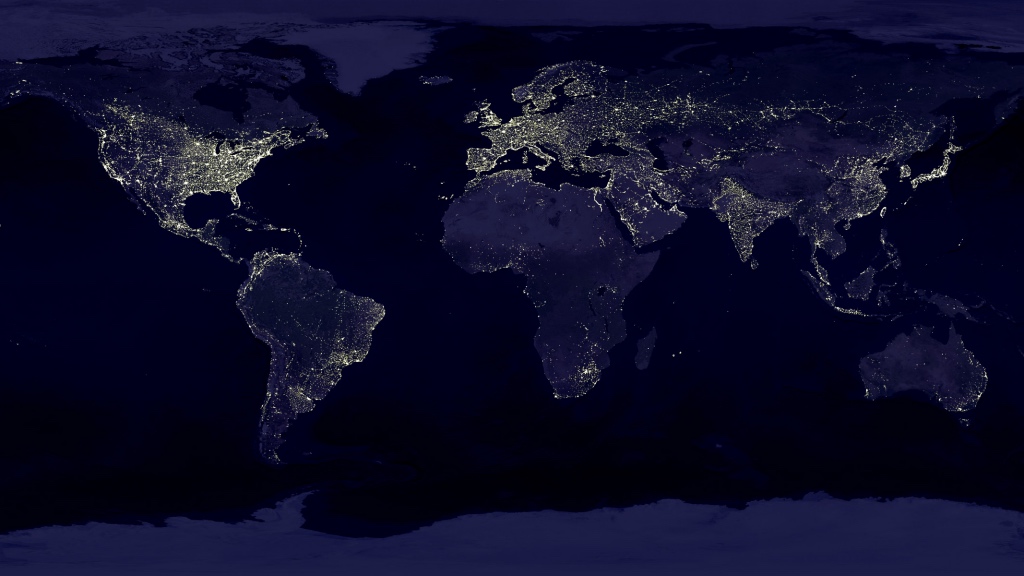
Look at Earth from space at night and you'll see something that should reframe how you think about Japan's empty houses.
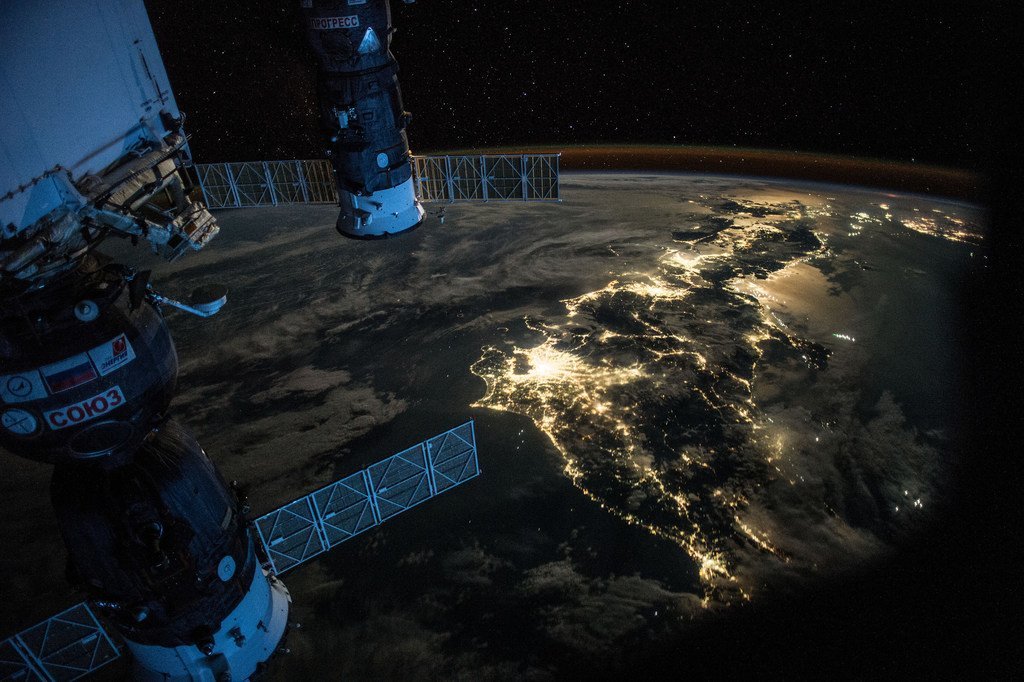
Japan at night from the International Space Station — Scott Kelly/NASA
The brightest continuous corridor of light on the planet runs from Tokyo through Nagoya to Osaka — 500 kilometres of unbroken civilisation. The entire Japanese coastline glows. This is not a country winding down. This is a country that has invested more per square kilometre in infrastructure, safety, healthcare, and connectivity than almost anywhere else on Earth.
And right now, you can buy a house there for less than a month's rent in Sydney.
The standard narrative is wrong
The usual story goes like this: Japan's population is shrinking. There are 9.4 million empty houses. Nobody wants them. Sad, interesting, next.
That framing misses what's actually happening.
Japan lost 908,574 people in 2024 — the largest single-year drop on record, roughly equivalent to losing the population of San Francisco every twelve months. The decline has been running for sixteen consecutive years. By 2050, Japan will have shed nearly 19 million people.
But in that same period, foreign residents hit 3.95 million — an all-time high, growing 10.5% in a single year. Foreign investment in Japanese real estate crossed 1 trillion yen in the first half of 2025 alone, double the prior year. The yen has fallen 35% against the dollar since the mid-2020s, making Japanese assets extraordinarily cheap for foreign buyers.
People are not ignoring Japan. They're moving in.
The infrastructure argument
Here's what that night-time satellite image actually represents: accumulated investment.
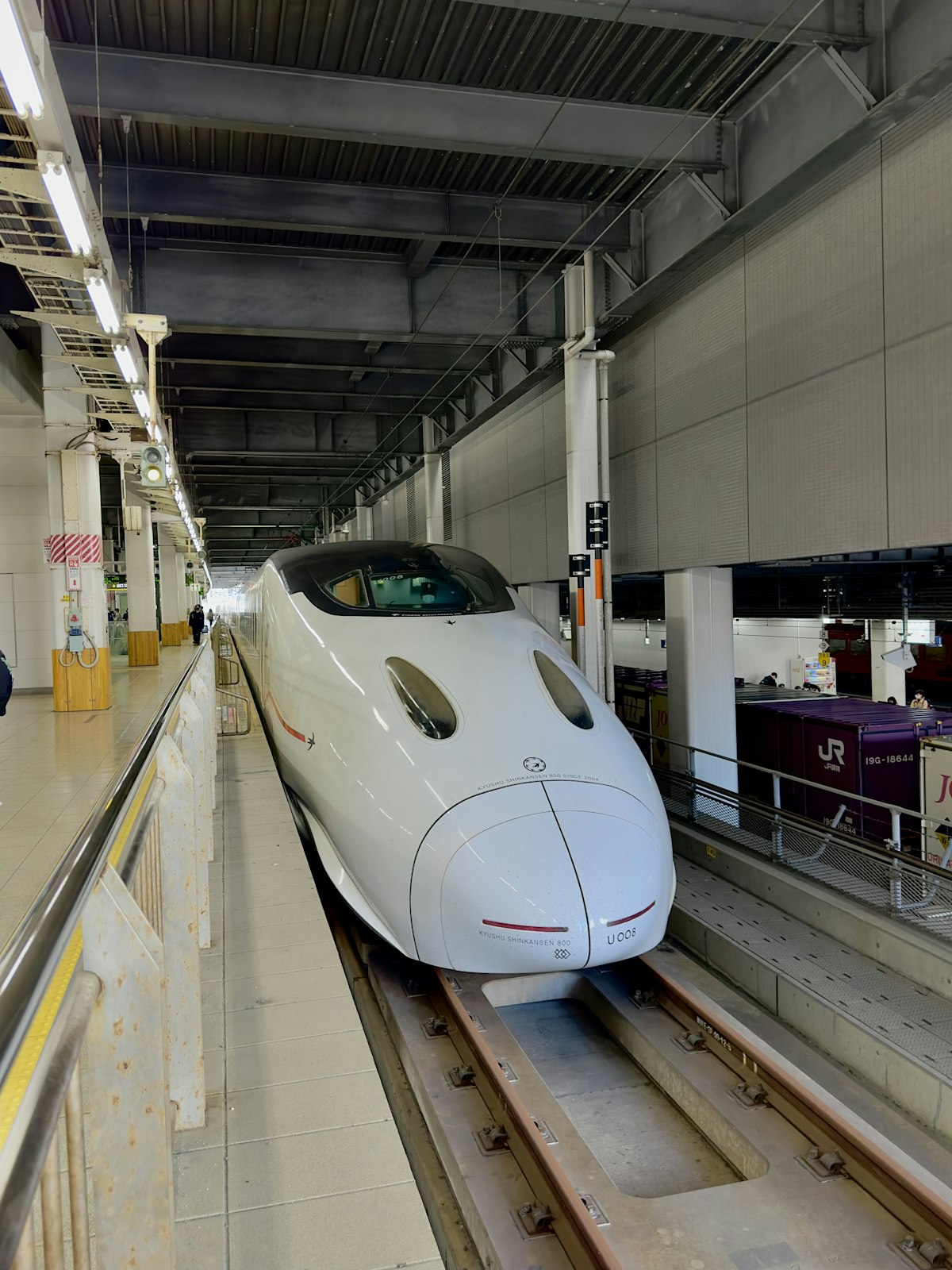
Japan's rail network ranks first globally for quality. The Shinkansen has carried billions of passengers with zero fatalities in sixty years of operation, averaging delays of twenty-four seconds. Not minutes — seconds. For context, Germany's Deutsche Bahn runs at 62.5% on-time. Amtrak manages 75%.
Japanese women have been the world's longest-lived for forty consecutive years. The healthcare system covers every resident, costs less per capita than the American system, and scores higher in patient satisfaction than the OECD average.
Fibre internet penetration sits at 86% — second globally, behind only South Korea. Even rural towns have gigabit connections. Average broadband speed: 215 Mbps.
Crime is negligible. Rent is 67% lower than the United States. Cost of living overall ranks 46th globally — cheaper than Australia, Canada, the UK, or Singapore.
This is the infrastructure of a first-world country that spent decades building for 128 million people and now has 124 million. The roads, the hospitals, the train lines, the fibre — it's all still there. It was built to last. And there's increasingly space to use it.
What if the migration flows reverse?
Sixty-three countries have already peaked in population. Another forty-eight will peak before 2054. The UN's projected date for peak global population has moved from "never" in 2019 to 2084 in their latest revision. In five years, the forecast shifted by decades.
This is not a Japan problem. It is the future of the developed world. Bulgaria will lose 22% of its population by 2050. Lithuania, Latvia, Romania — all contracting sharply. China will lose 204 million people. South Korea's fertility rate has fallen below 0.7 — the lowest ever recorded in human history.
Every one of these countries will develop its own version of akiya.
So the question becomes: in a world where populations are declining everywhere, where do people go?
There's a clue in what happened after COVID. When remote work became viable, Americans didn't stay in expensive cities. Net migration to rural areas doubled. Migration out of large metros doubled too — and that trend persisted into 2023 and beyond. Spain saw the same pattern. The EU committed €11.9 billion to rural regeneration. Italy launched a €2 billion programme to revive its villages.
People moved toward affordability, space, and quality of life — once the requirement to be physically present in an office disappeared.
Japan launched a digital nomad visa in April 2024. The requirement: earn 10 million yen a year (roughly $65,000 USD) from outside Japan. Duration: six months. Eligible countries: forty-nine, including the US, Canada, Australia, and most of Europe.
The infrastructure is there. The housing is there. The legal framework is being built. The question isn't whether people will come — it's how many.
The repricing, not the decline
Here's the thought experiment. Imagine you work remotely. You earn a Western salary. You want safety, functional public transport, fast internet, excellent food, universal healthcare, and a house you can actually afford.
Where do you go?
Not to London, where a one-bedroom flat costs more than a four-bedroom house in Osaka Prefecture. Not to Sydney, where median house prices exceed fifteen years of median income. Not to San Francisco, where a plumber's visit costs more than some Japanese houses.
You go where the infrastructure is world-class and the housing market has room.
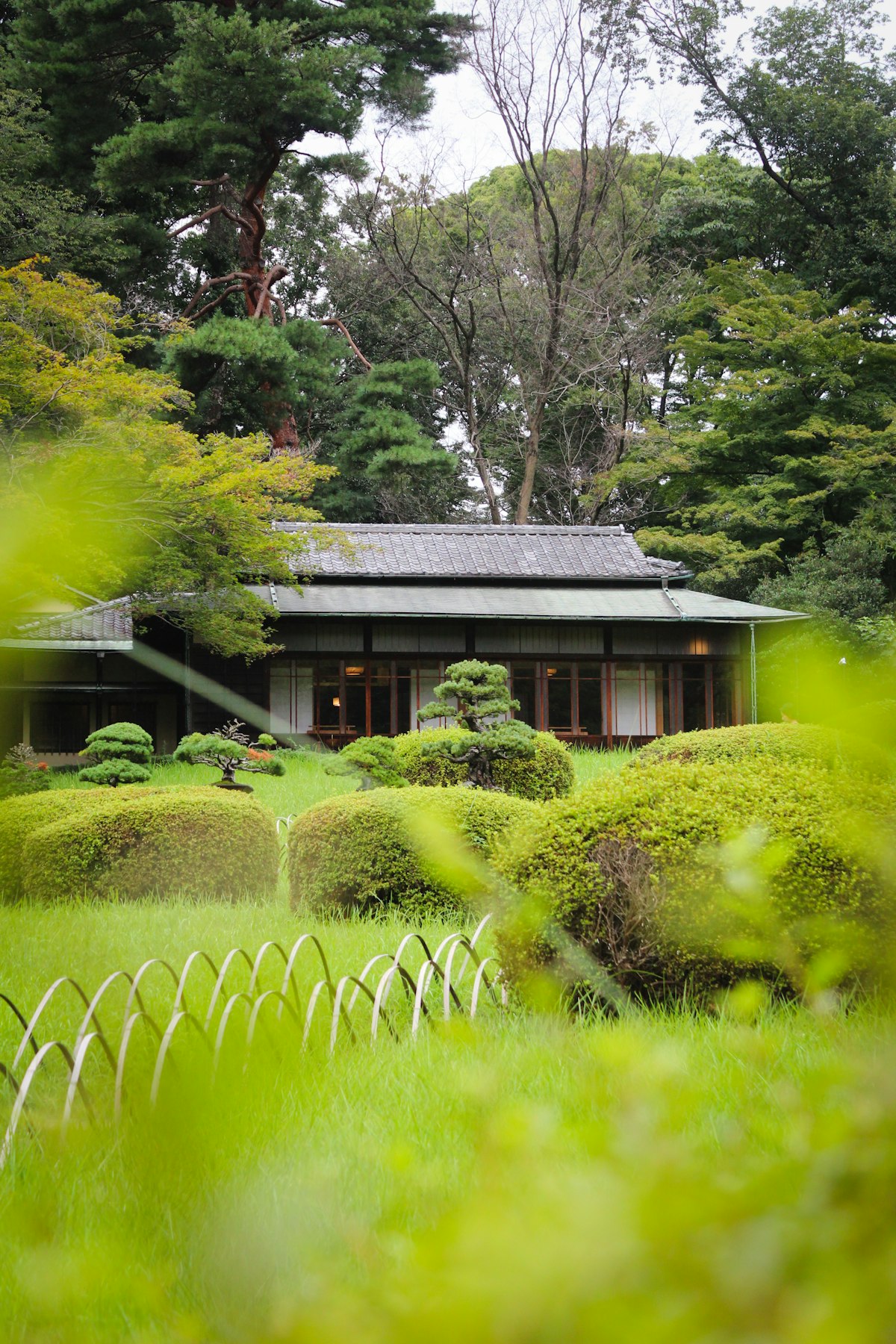
The 9.4 million empty houses in Japan are not a sign of failure. They're a sign of an economy that built generously for a population that has shifted — and hasn't yet been discovered by the people who need what Japan has to offer.
Depopulation isn't the end of the akiya story. It's the beginning of a repricing — of housing, of lifestyle, and of what it means to live well.
As populations shrink and housing empties out across the developed world, people will gravitate toward the places with the densest infrastructure, the most connected geography, and the highest quality of life. Asia has always been the centre of the world's population — it was before the industrial age, and it will be again. Japan, with its safety, connectivity, and now its empty houses, sits at the heart of it. And right now, Japan is lit up, the houses are empty, and the doors are open.