Buying a home in Japan should not be a mystery, and neither should the cost of getting help to do it. Japan is one of the few countries where the maximum a real estate agent can charge you is written into national law, down to the yen. If you know that number before anyone quotes you a fee, you are already ahead of most foreign buyers.
Here is what the law actually says, and how to use it.
Agent commission in Japan is capped by statute
Real estate brokerage in Japan is a regulated profession under the Building Lots and Buildings Transaction Business Act (宅地建物取引業法), in force since 1952. Anyone brokering a property transaction has to be registered, and the commission they can charge is limited by law.
For a normal purchase, the ceiling is a simple formula: three percent of the price, plus ¥60,000, plus consumption tax, for properties above ¥4 million. On a cheaper home the percentage is higher but the absolute number is small, because the property is small.
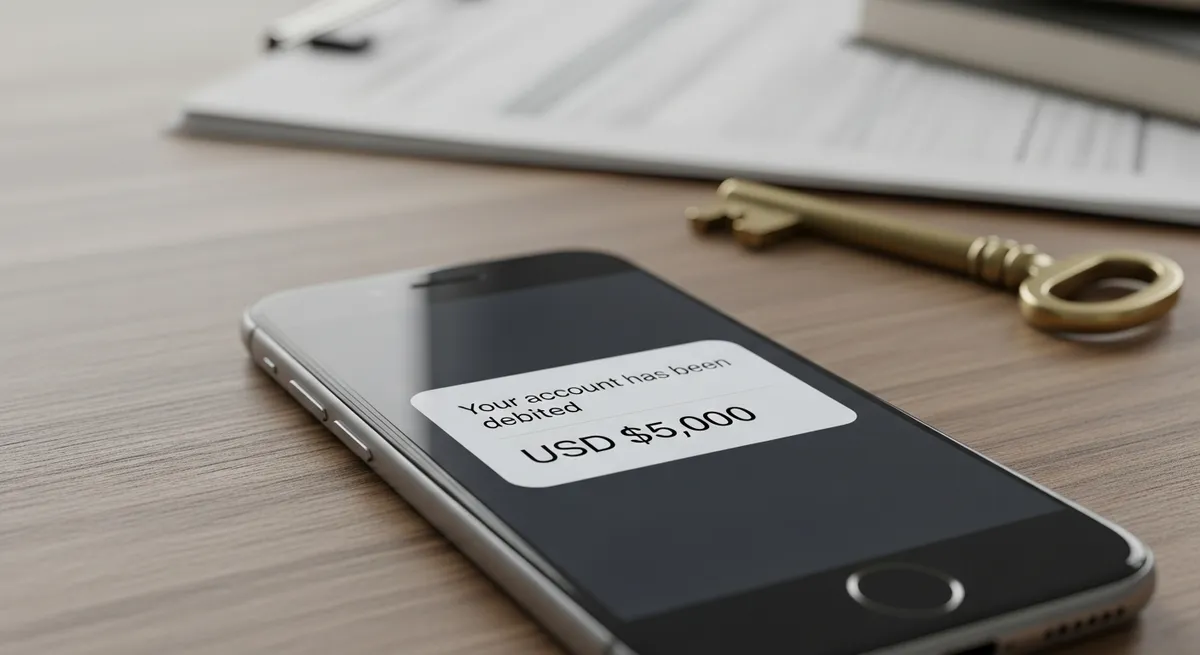
There is a detail that matters enormously for akiya buyers. Because so many rural and vacant homes sell for very little, an agent brokering a low-value property was long stuck with a commission too small to cover the work. In 2018 the rules were adjusted so an agent handling a property under about ¥8 million can charge up to ¥330,000 including tax. That is the figure to keep in your head for a typical akiya -- roughly ¥330,000 for a licensed agent to handle your purchase end to end.
Why the cap protects you
The cap is not just a number. It is the visible edge of a whole system of consumer protection that comes with using a registered agent.
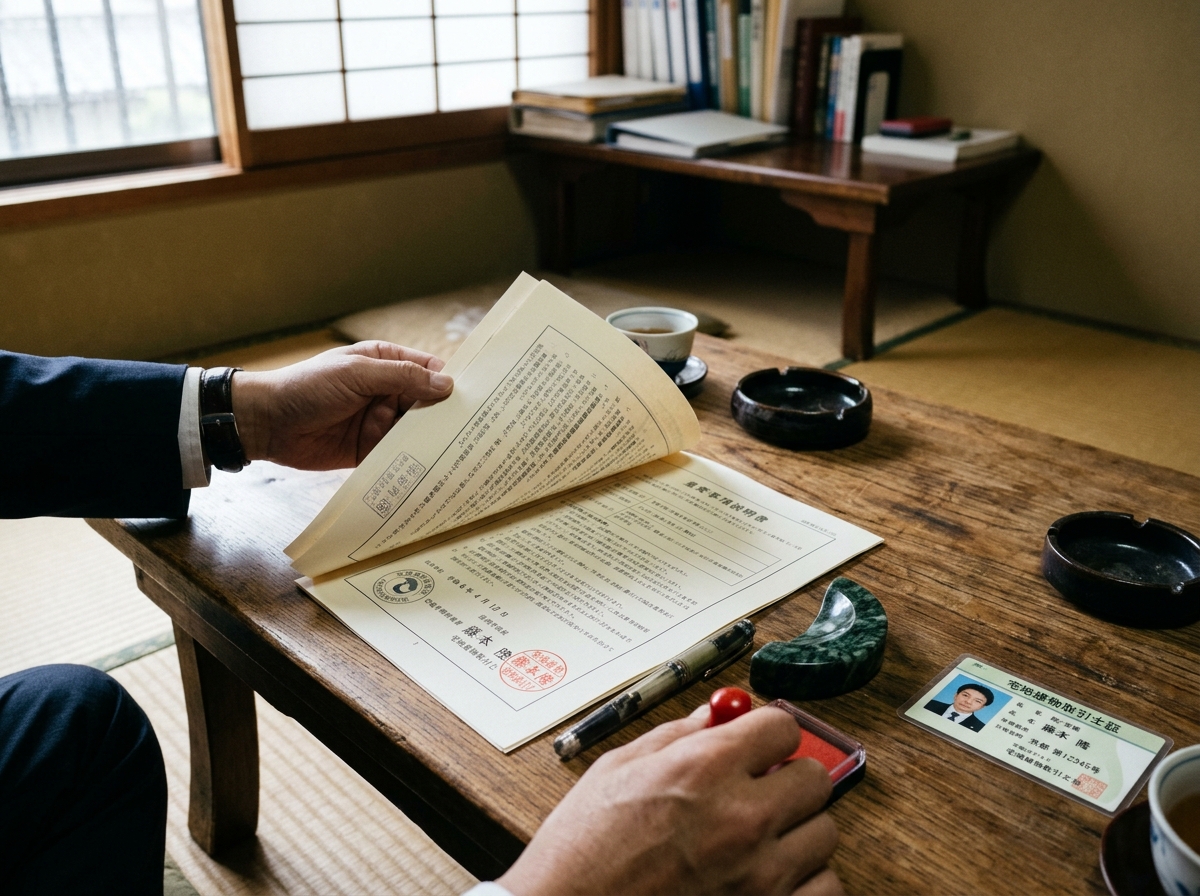
A registered agent sits on a public register, answers to a regulator, and belongs to a compensation scheme that can repay clients if something goes badly wrong. There is a defined process for handing over the important-matters explanation (重要事項説明) before you sign, so the risks of a property are disclosed to you in a structured way rather than glossed over. If you have a complaint, there is somewhere to take it.
None of that is glamorous, and most of the time you never need it. It is like the railing on a staircase. You only notice it the one time you slip.
How to check who you are dealing with
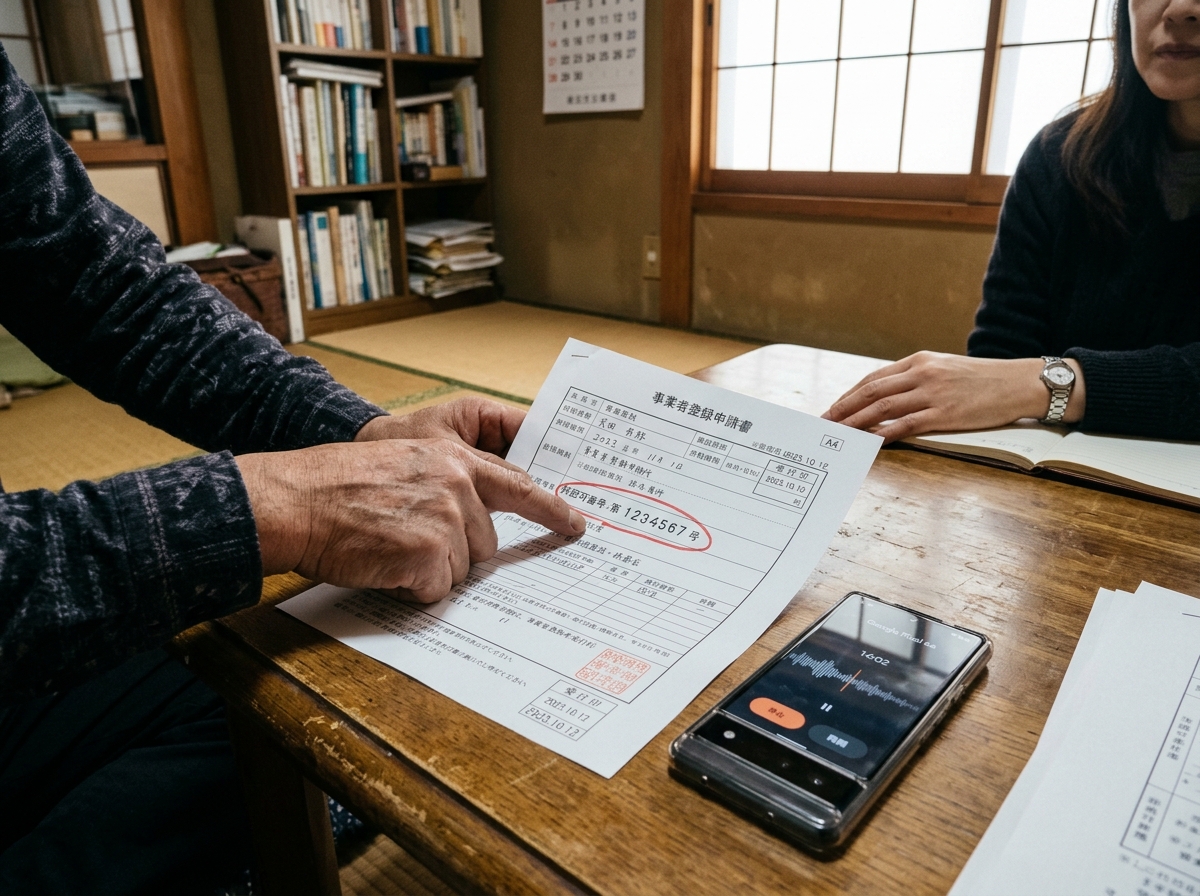
You can verify any Japanese agent yourself. Every registered broker has a license number issued by a prefecture or by the national ministry, and it has to appear on their materials. The prefectural registers are public. If you cannot find a license number, that is worth a direct question before any money changes hands.
Two more habits save foreign buyers a lot of grief. Ask who is actually representing you in the transaction, and confirm that person is the registered agent, not a coordinator standing between you and them. And ask what the fee is for, in writing, and how it sits against the statutory cap you now know.
Where this leaves the akiya buyer
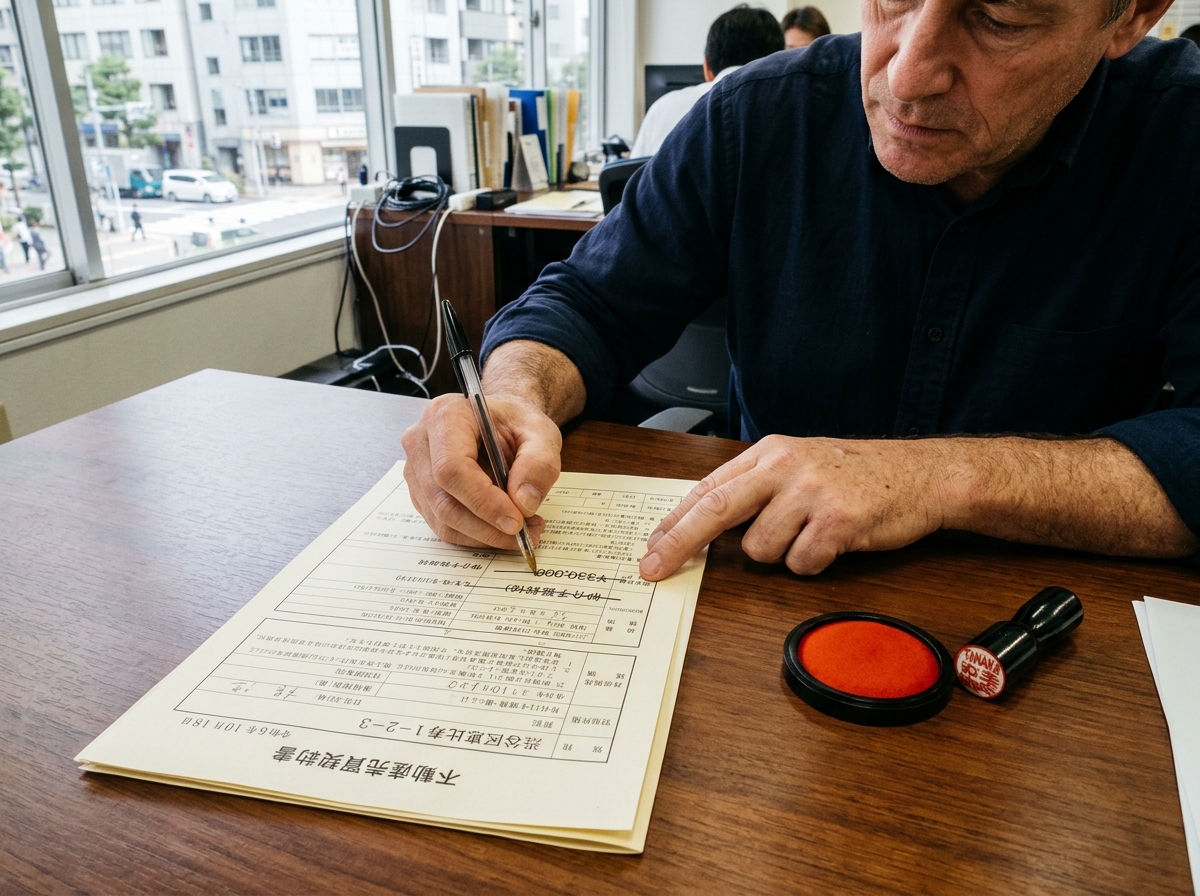
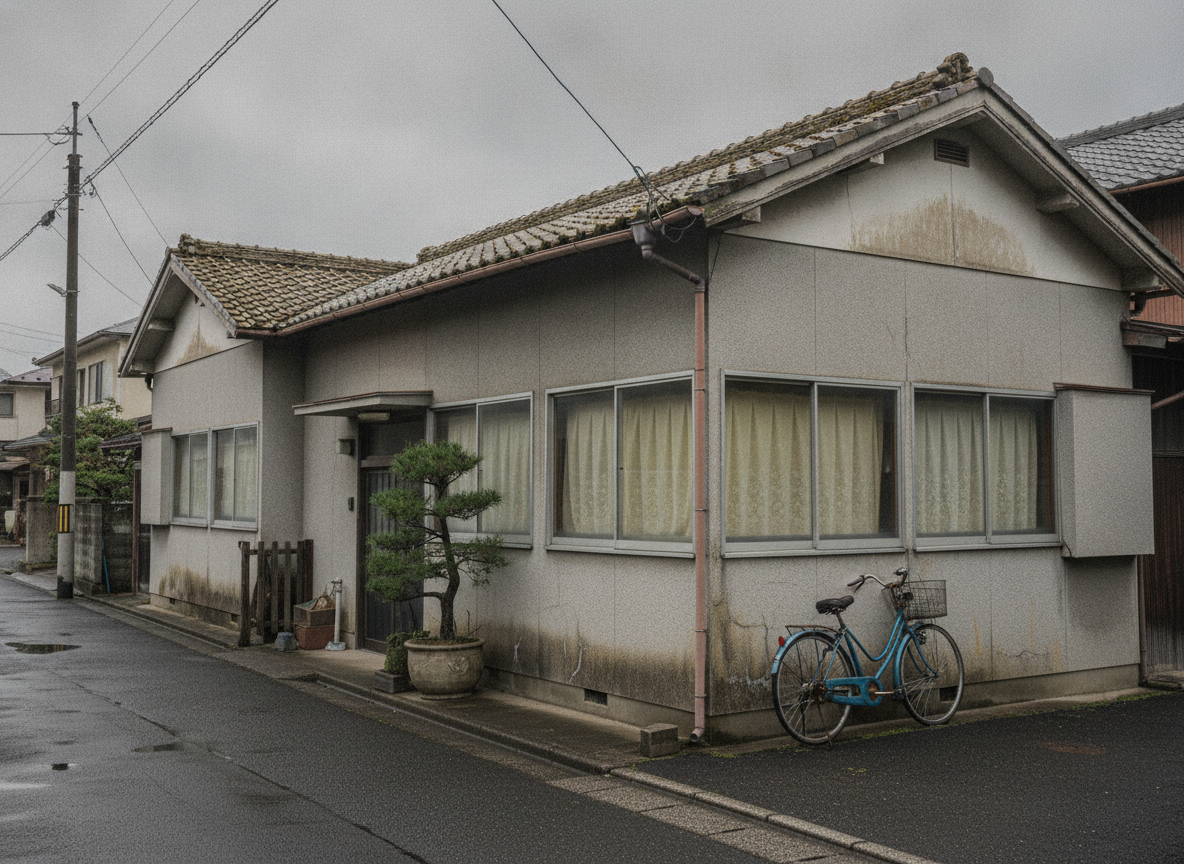
A licensed agent handling a cheap house in, say, Niigata or Oita is allowed to charge you around ¥330,000 to see the whole purchase through, with the full protection of the register behind them. That is the benchmark. Anything quoted to you can be measured against it.
On our side, buyers who want that support go through Akiya Japan Buyer Support, a licensed Japanese brokerage operating under exactly these rules, which means a regulated fee and no markup on top. The point is not who you use. The point is that you walk in knowing the number, knowing the protections, and knowing the questions to ask.
Japan makes buying a home unusually transparent if you know where to look. Now you do. When you are ready, you can start your search here, and read next on what an akiya actually is and how the buying process runs from there.