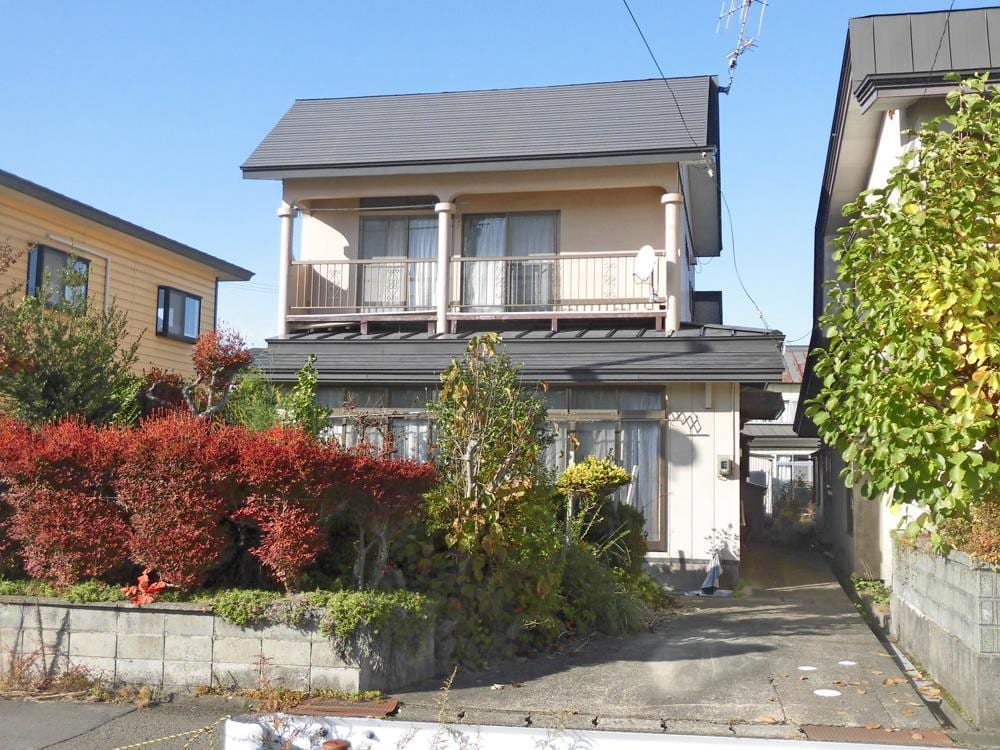
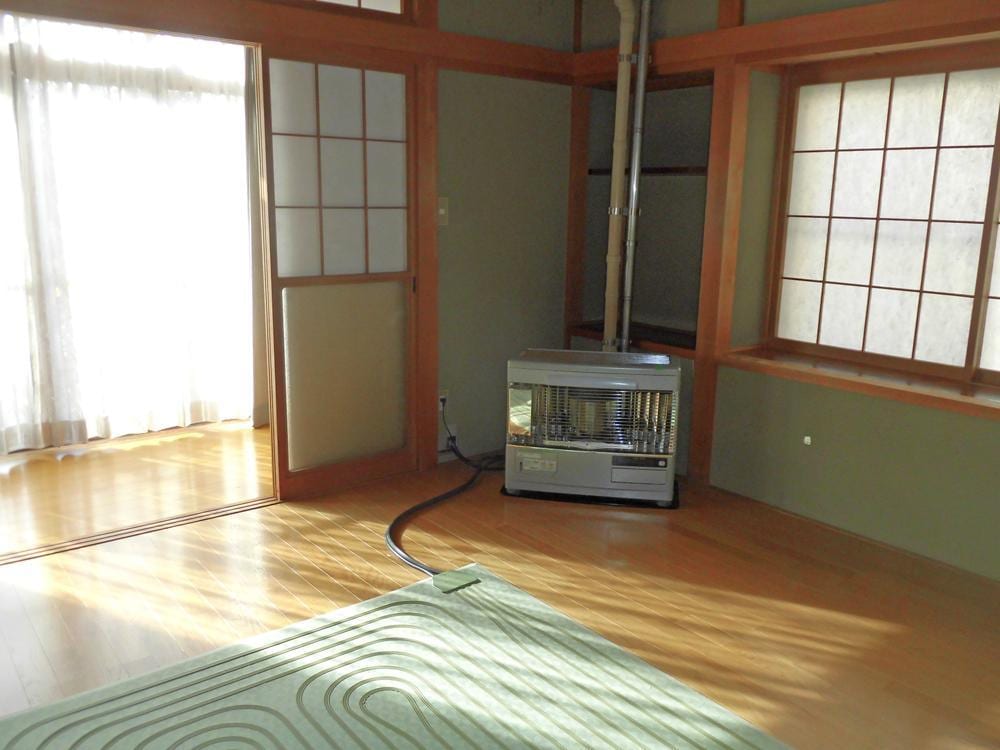
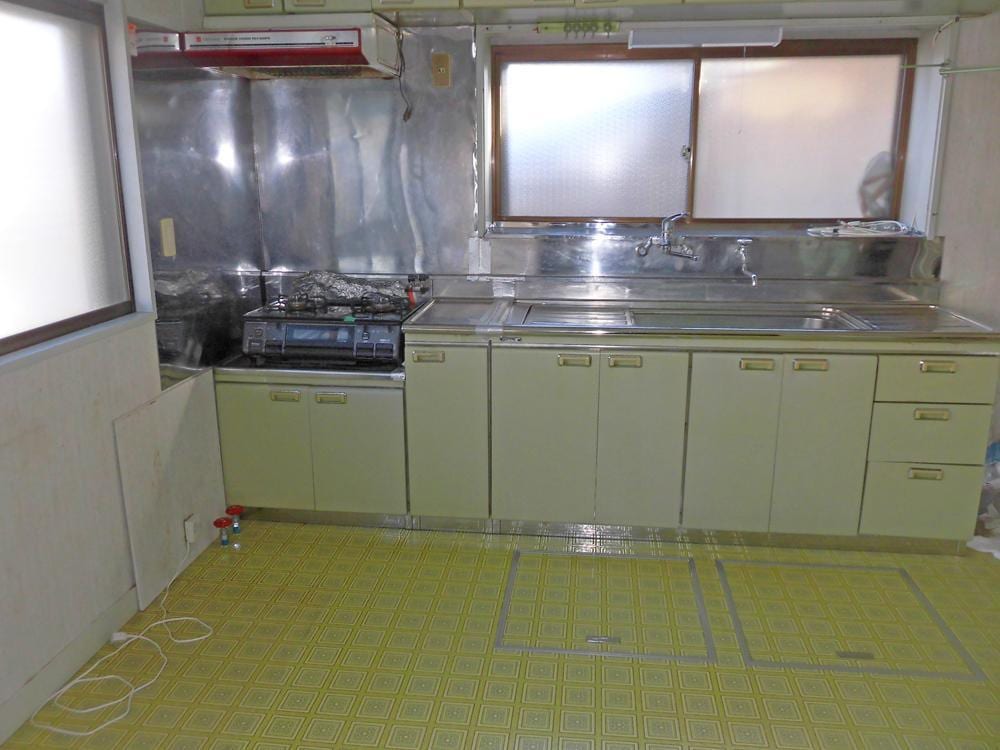
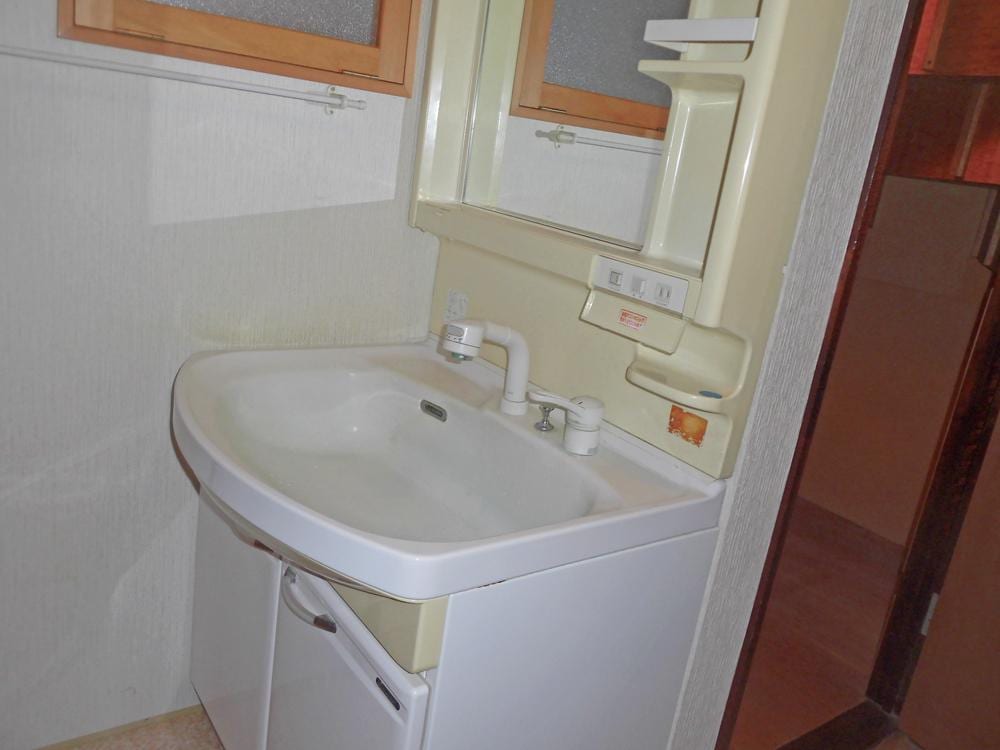
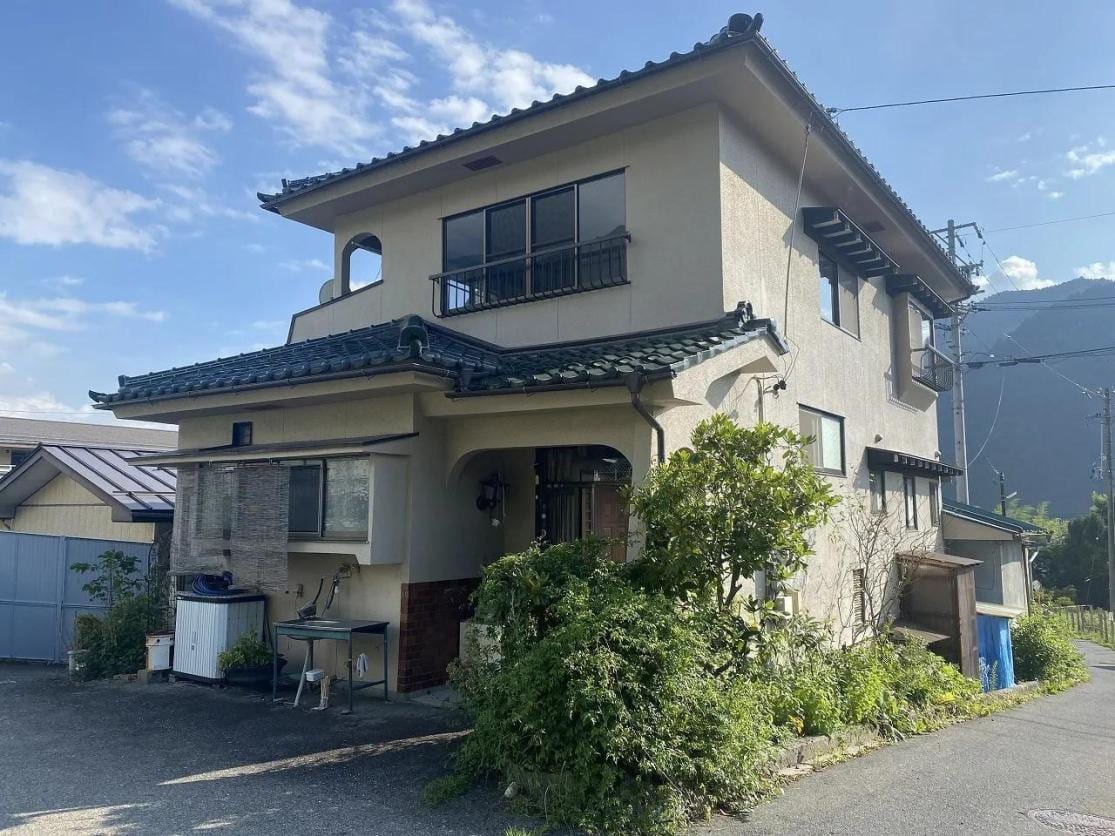
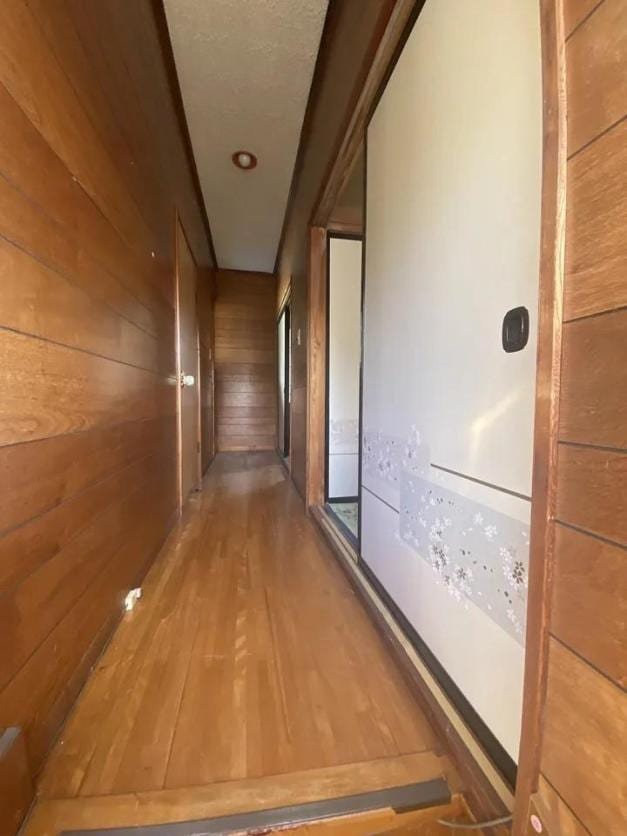
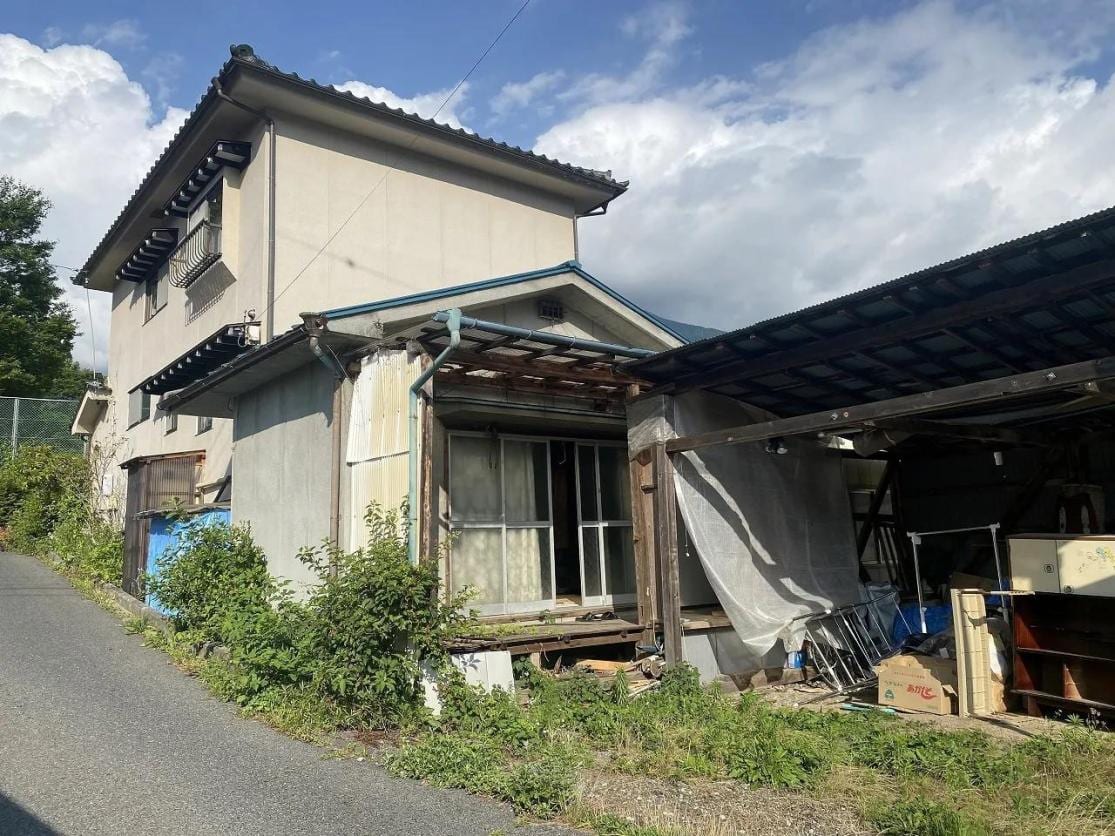
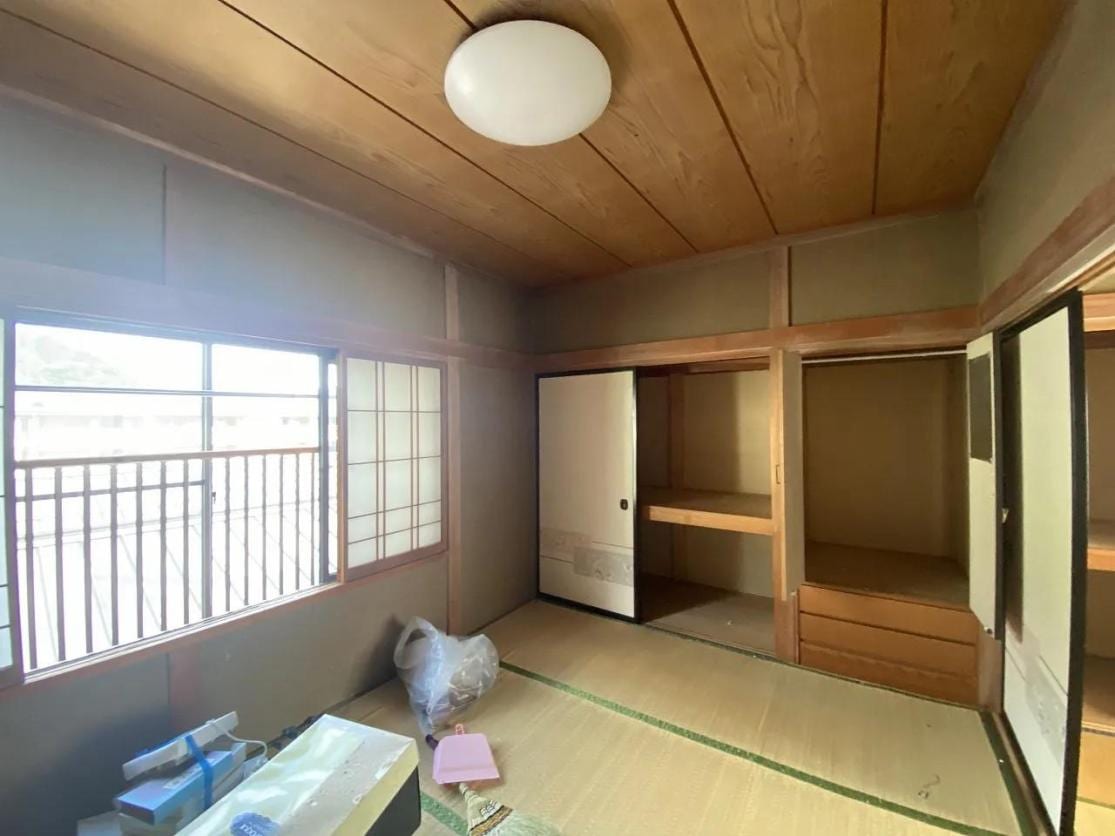
Buying an akiya as a foreign buyer comes down to five steps, from the first search to the day you get the keys. Here is what each one involves.
Step 1: Find the property you want
Most buyers visited Japan, fell for the place, went home, and thought they should own a house here so they can come back whenever they want. If that is you, you are not alone. And if you have never been, that is fine too. Nothing stops a foreigner from owning property in Japan.
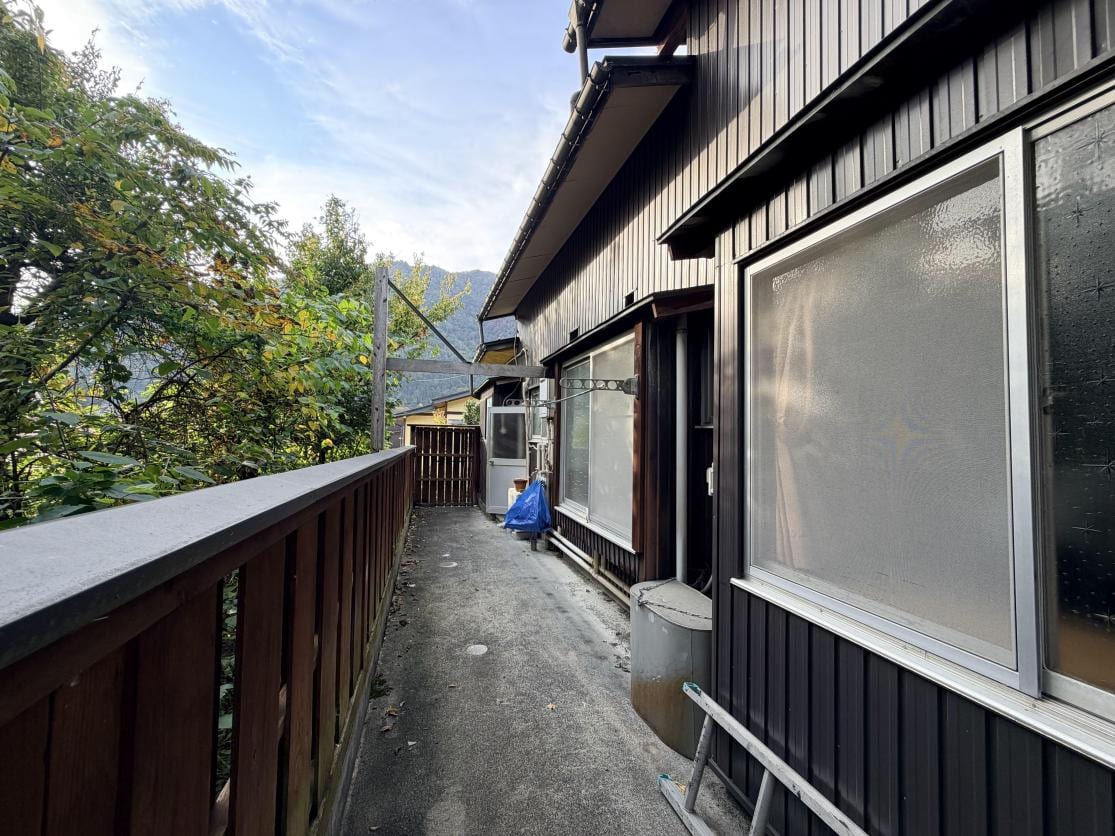
The more specific you can be about the area, the easier the search gets. Rural Japan, the inaka, has become popular with international buyers chasing the quiet Ghibli-film countryside, and it has more stock and less competition than the famous names. Most people search only in Tokyo, Kyoto, Osaka, Nara, and Hiroshima, so does everyone else, which means more competition and fewer listings inside your budget.
If your conditions are strict, a traditional house within walking distance of a station, four bedrooms, under a set budget, you usually have to give on something: the budget, the expectations, or the location. A good agent's job is not just to help you buy a house, it is to understand why you want one and how you will use it, then point you at neighbouring towns you never considered. Those are often the better property at the better price.
Step 2: Contact an agent and arrange a viewing
The next step is contacting a Japanese agent to get more on the property and set up a viewing. The hard part is finding one with English-speaking staff who will support you the whole way, through the contract and settlement, not just the first email. You can message the listing agent directly with a translation app, but the real challenge is the contract itself, for three reasons: the language barrier, the paperwork and banking identity checks and international wire transfers, and simply finding professionals who have worked with overseas buyers before. Because of all that, not every Japanese agent will take on a foreign buyer. An authorised licensed partner runs a dedicated team that does, all of them fluent in English, working with a judicial scrivener's office used to international clients.
Step 3: View the property
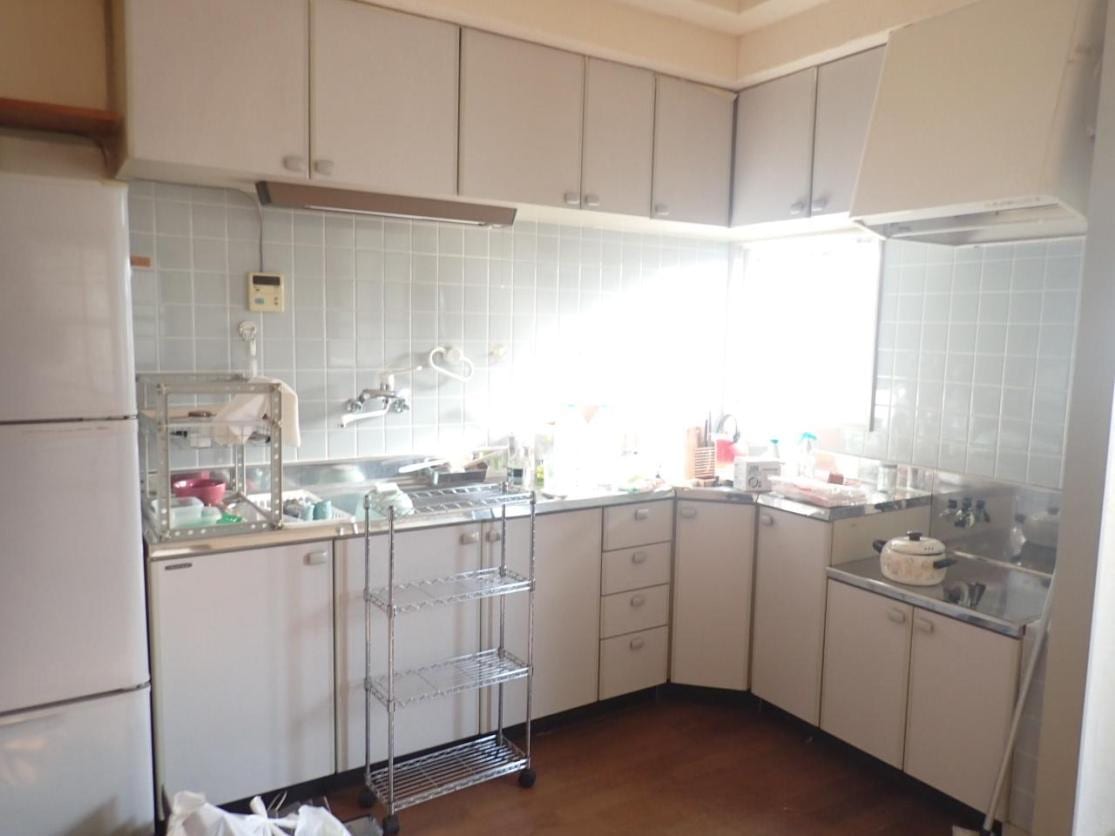
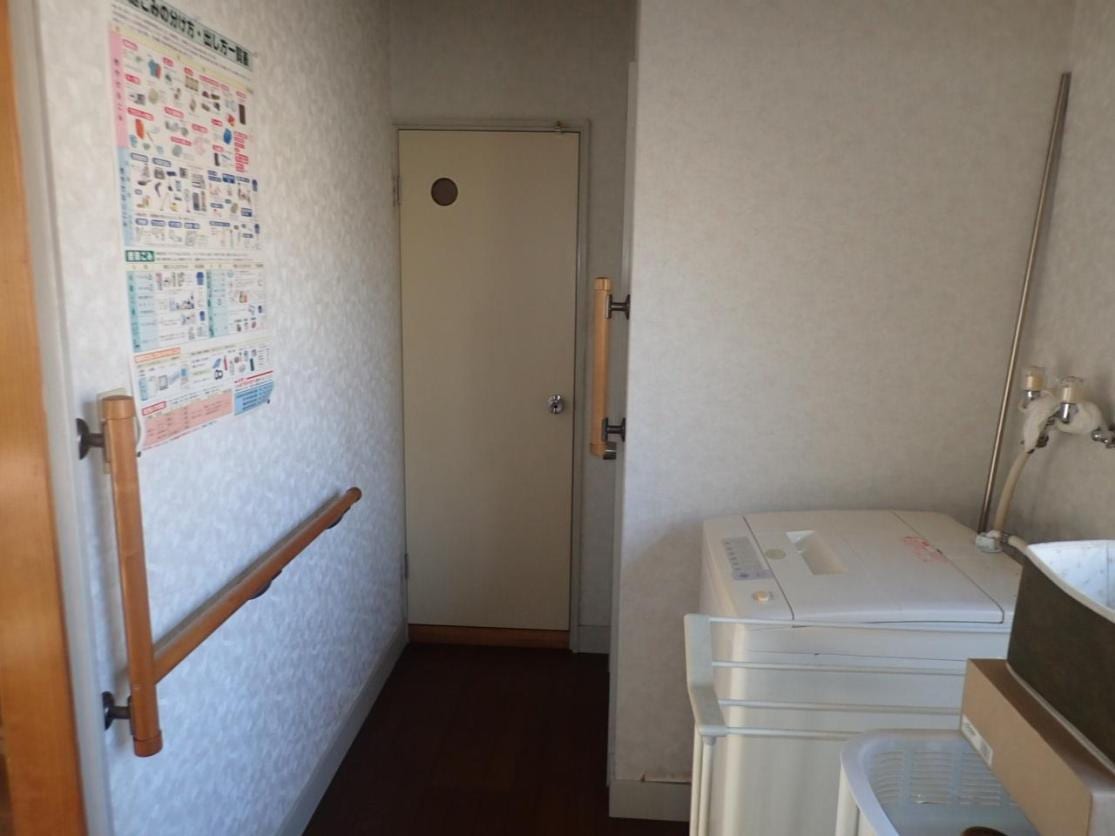
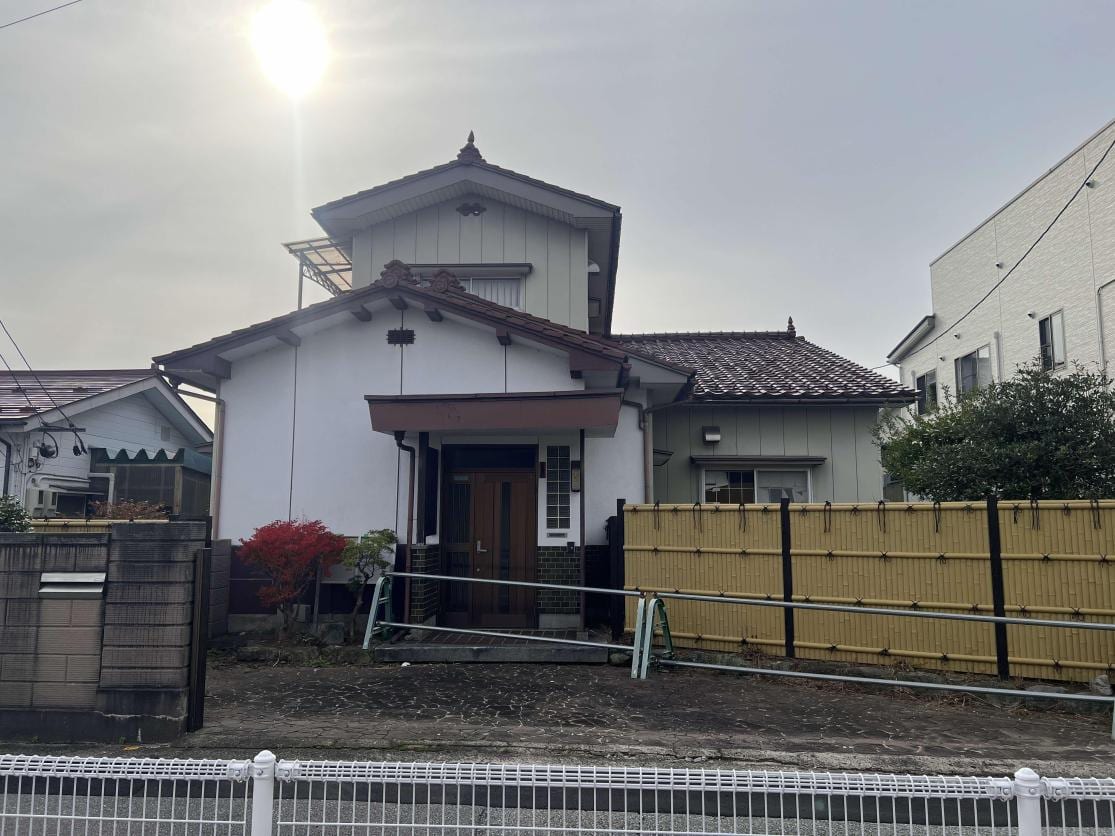
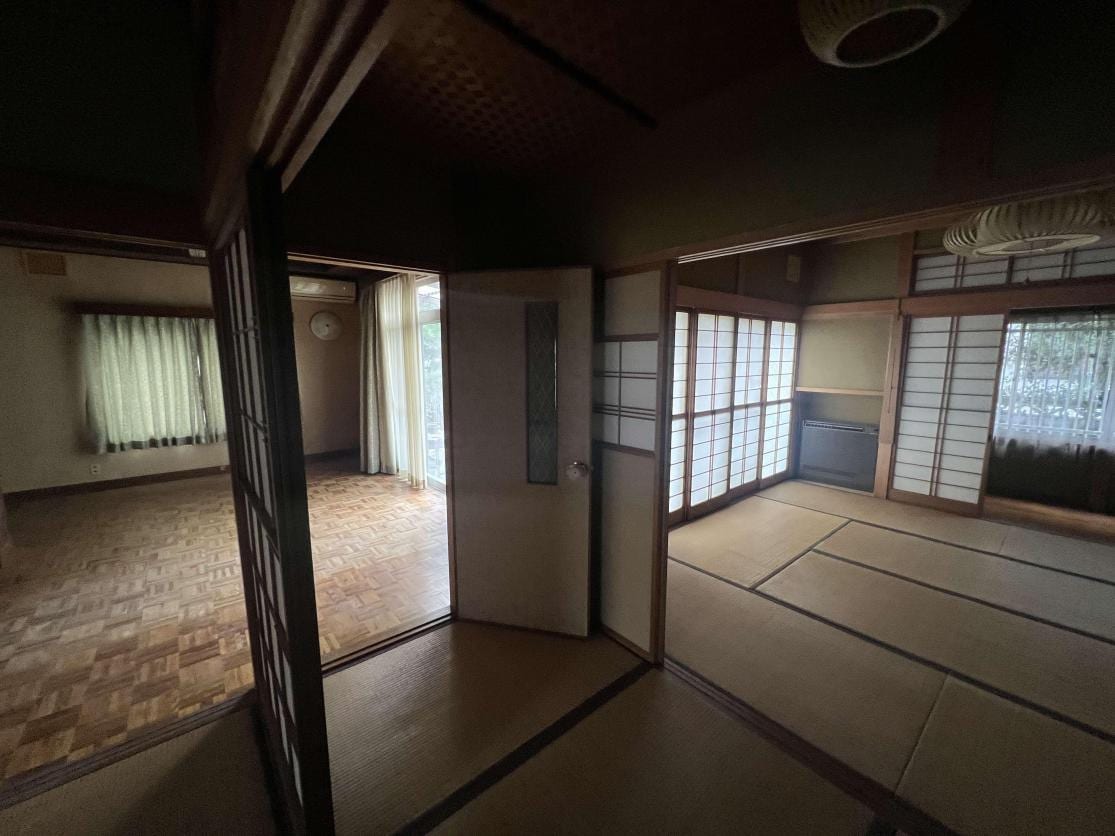
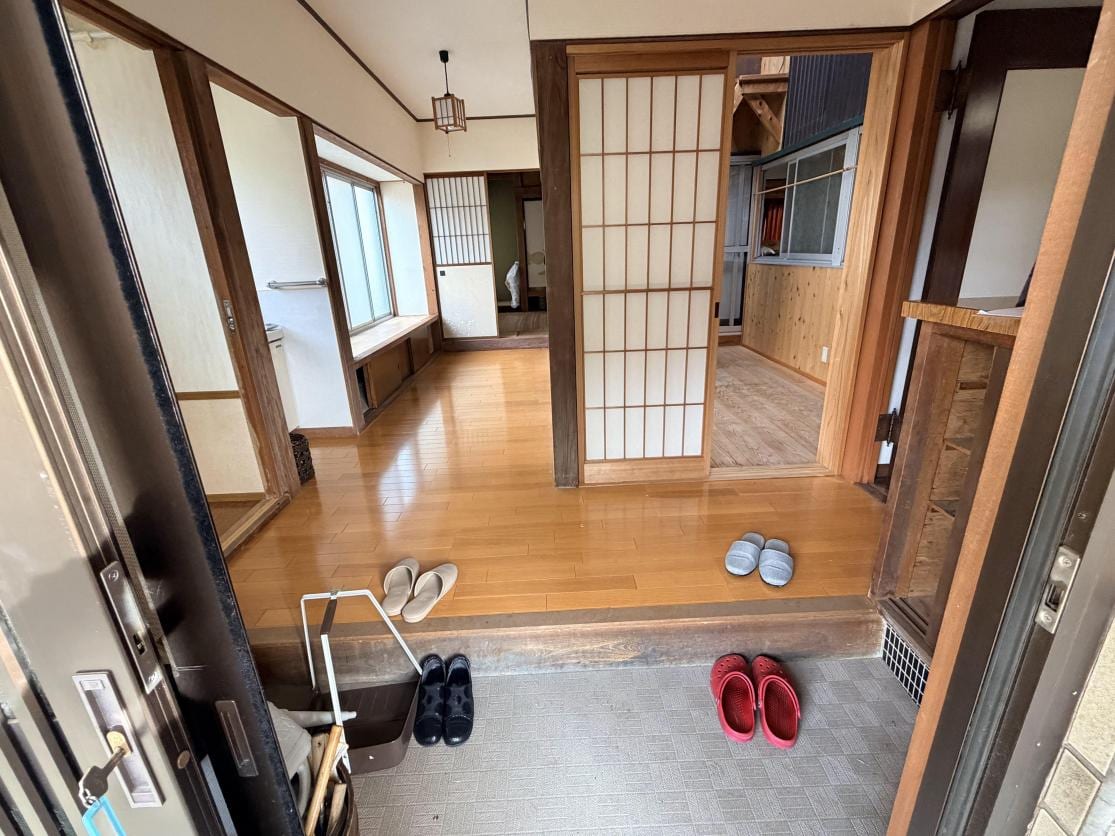
Once the agent has gathered the details, you view the house, in person or remotely. It is not always realistic to fly to Japan just for a viewing, so the agent will push the seller's agent for a remote option: a Zoom walkthrough, or videos and photos. Some sellers still require that the buyer visits in person with the agent, or that the agent visits on the buyer's behalf. On a remote viewing they walk through the whole property and the surrounding neighbourhood on camera, so you understand the real condition and avoid surprises later.
Step 4: Submit an offer
This one is simple. You confirm the condition of the property, negotiate the price where it makes sense, and the agent coordinates with the seller's side so everyone reads the deal the same way. Once it is agreed, the agent submits a letter of intent to the seller on your behalf.
Step 5: Sign the contract
If you are not a resident of Japan, a few documents have to be ready before the sale can close: an affidavit, a notarised copy of your passport, and a power of attorney. These need to be prepared and submitted quickly. Then the agent coordinates the identity verification, the contract signing, and the settlement across everyone involved, the judicial scrivener, you, the seller, and both agents.
One thing that trips up foreign buyers: Japan has no escrow system like some countries. Instead the real estate agent and the judicial scrivener work together to make sure the transaction completes safely and legally. It sounds complicated, but it is simpler than it looks. On average it takes about a month from finding a property to signing the contract and getting the keys.
Book a consultation, or start looking
If you have already found a property you like, or you want help narrowing down where to look, that is what the kickoff session is for. You can book a consultation with an authorised licensed partner whenever you are ready.
Not sure where to start? Answer a few questions and our Find your match tool suggests properties that fit what you are after, so you do not have to guess at filters. Or just browse everything for sale, all in English with prices and photos. Our how to buy a house in Japan guide covers the foreigner-ownership question in more depth.
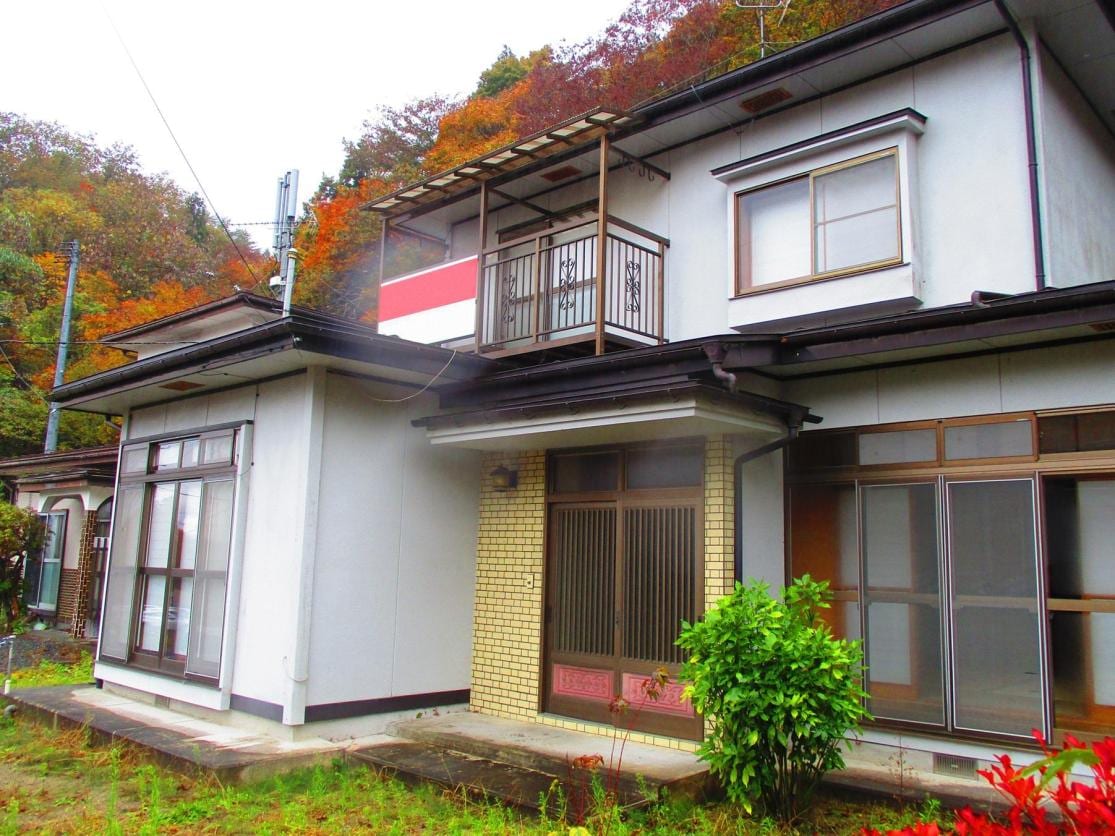
 Lawson - 18 min walk / 4 min drive