
Surviving Castle, Japan's Oldest Bathhouse, and the World's Best Cycling Route
Living in Ehime
The prefecture that contains Japan's oldest operating public bathhouse — the building that most likely inspired the animated world of Spirited Away — and a 70km cycling route across six Seto Inland Sea islands that is consistently ranked the finest recreational cycle tour in Asia.
Why People Choose Ehime
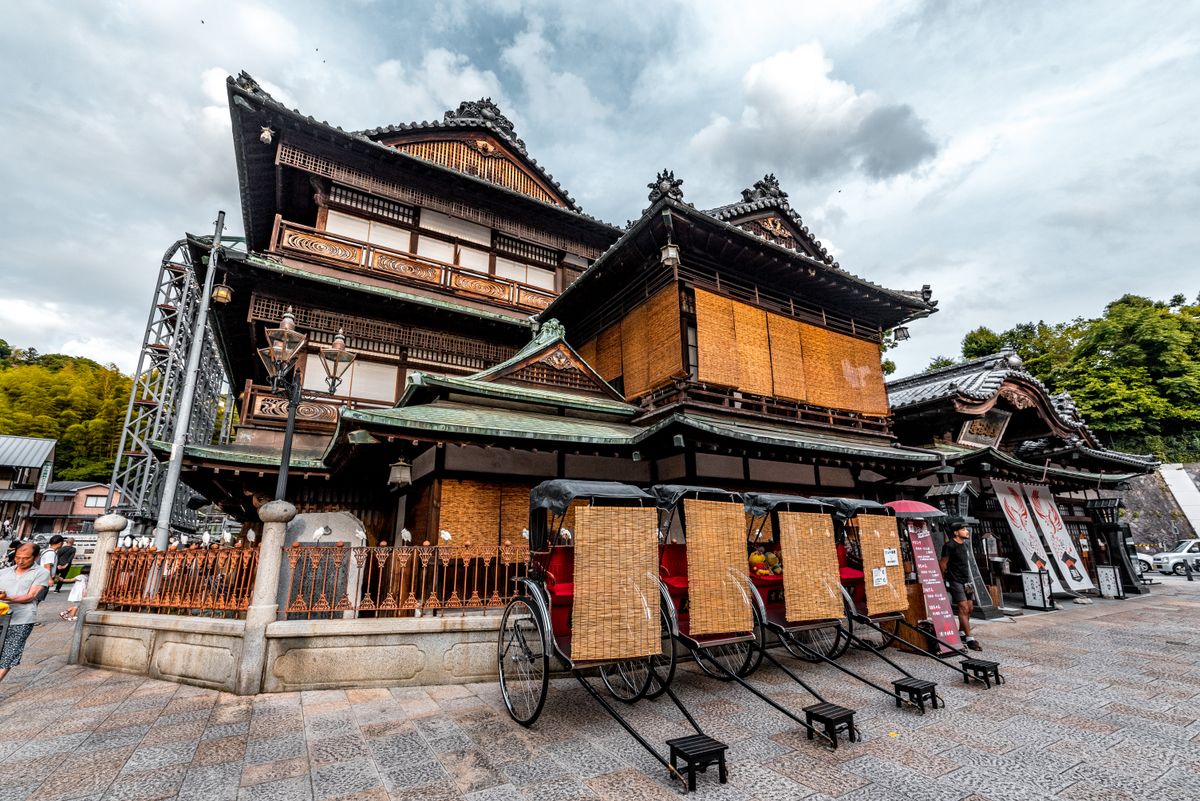
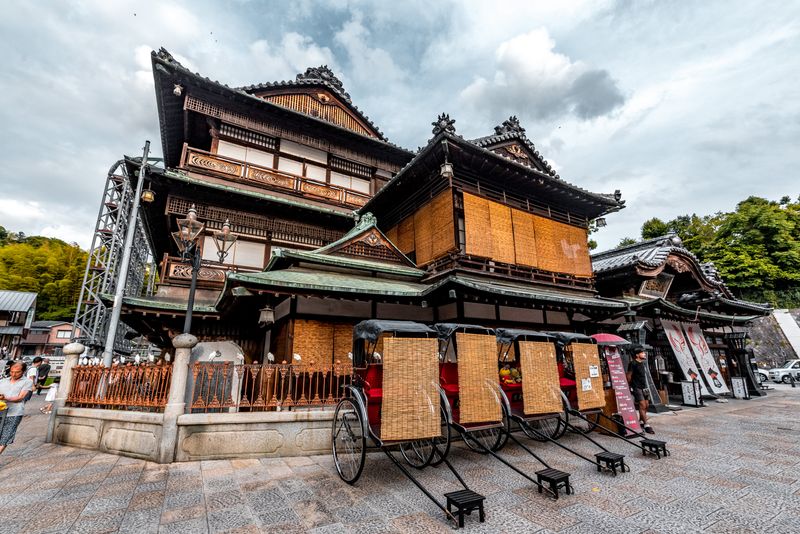
Ehime's case rests on three sites that are each singular in Japan. Dogo Onsen Honkan is the oldest continuously operating public bathhouse in the country — a three-storey wooden structure from 1894 built on a hot spring that has been in use since at least the Nara period (8th century). Its three-tier roofline, sliding wooden shutters, and interior of hinoki cypress and stone have made it the defining image of traditional Japanese onsen architecture. Whether or not Hayao Miyazaki drew directly from Dogo when designing Spirited Away's bathhouse (he has been publicly ambiguous about it), the visual correspondence is striking enough that it has become part of how the world understands both the film and the building.
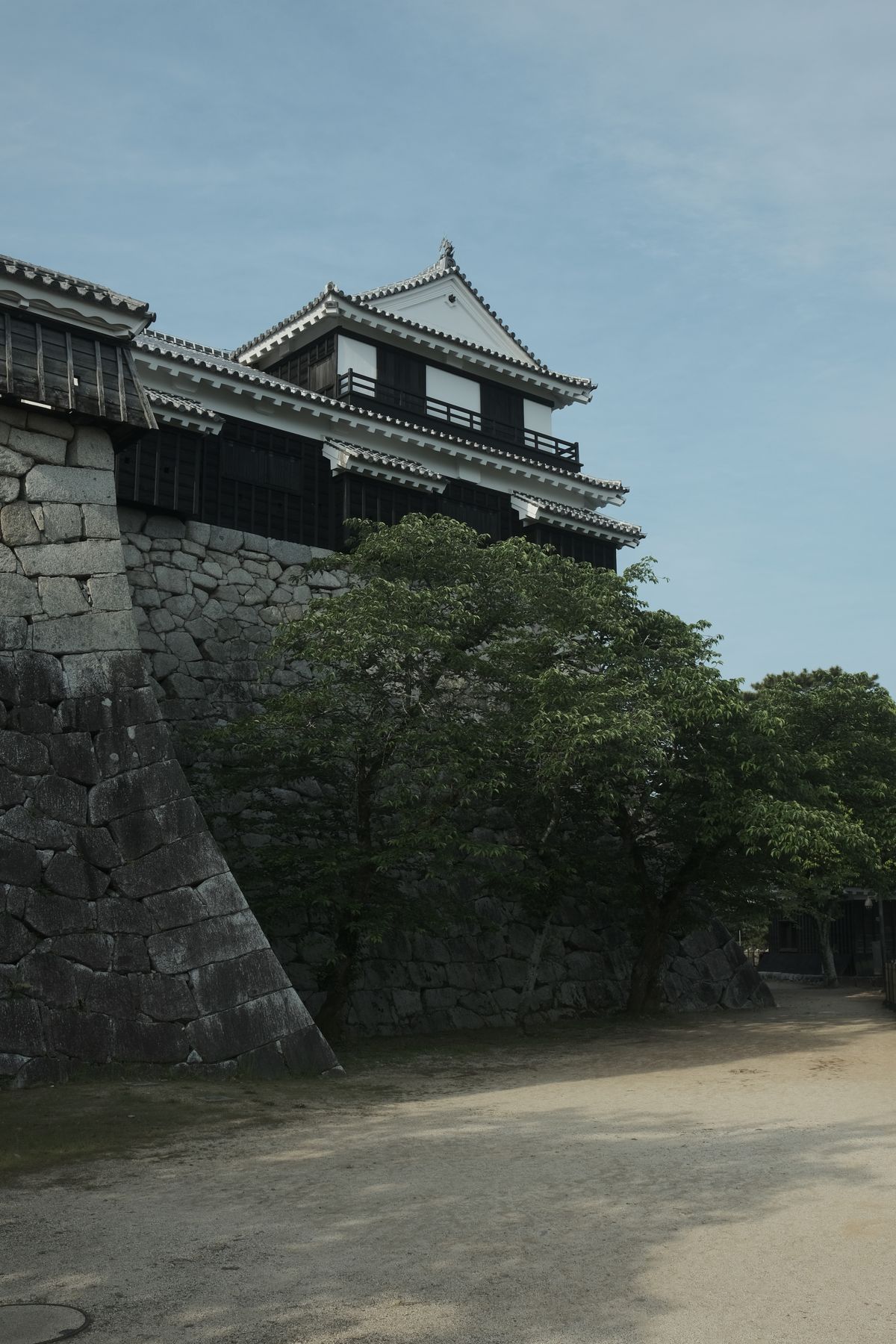
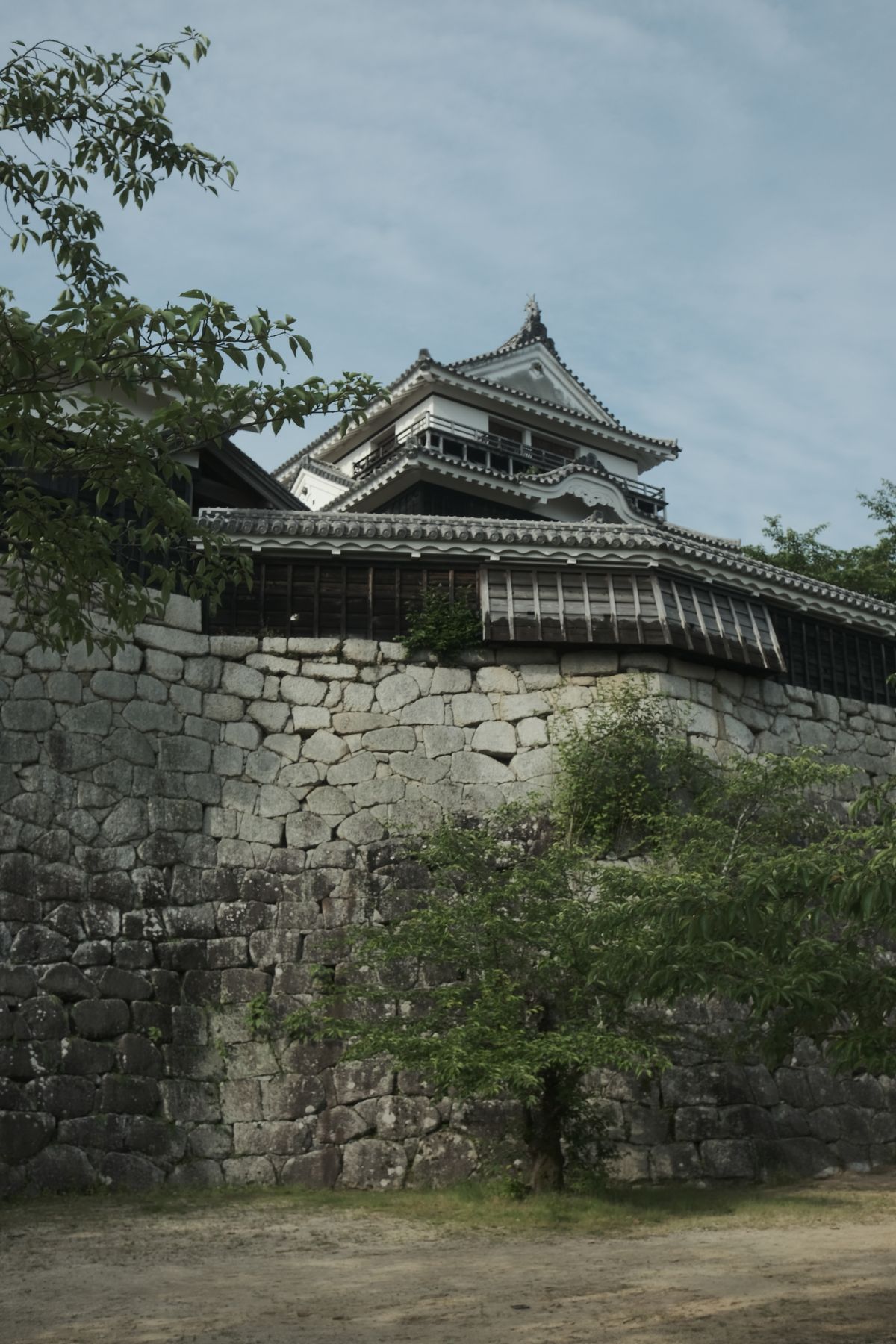
Matsuyama Castle is one of only twelve original Edo-period castle keeps remaining in Japan — the others were destroyed in the Meiji-era modernization campaign or in wartime bombing. The keep was rebuilt in 1854 after a lightning fire, making it technically the newest of the twelve, but it is an authentic reconstruction in the original style by the original builders. From its 132-metre hilltop, the views cover the entire Dogo valley, the city, and on clear days the islands of the Seto Inland Sea.
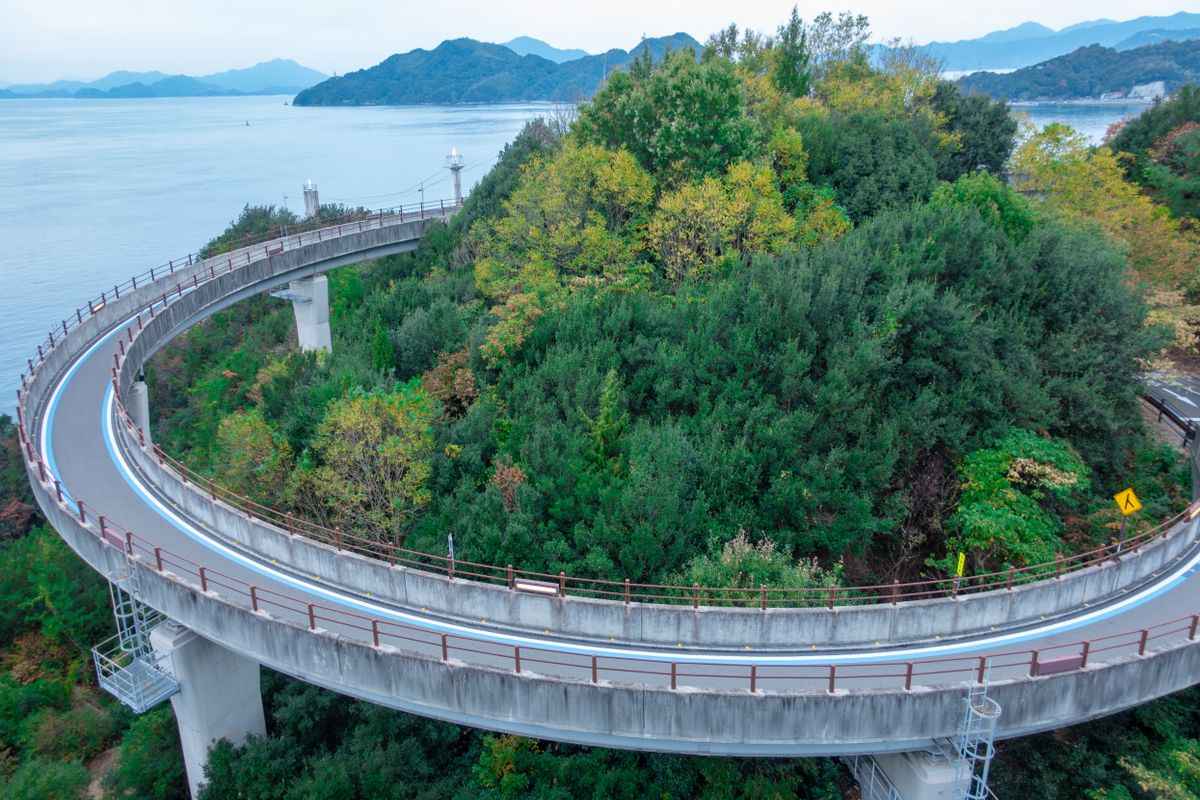
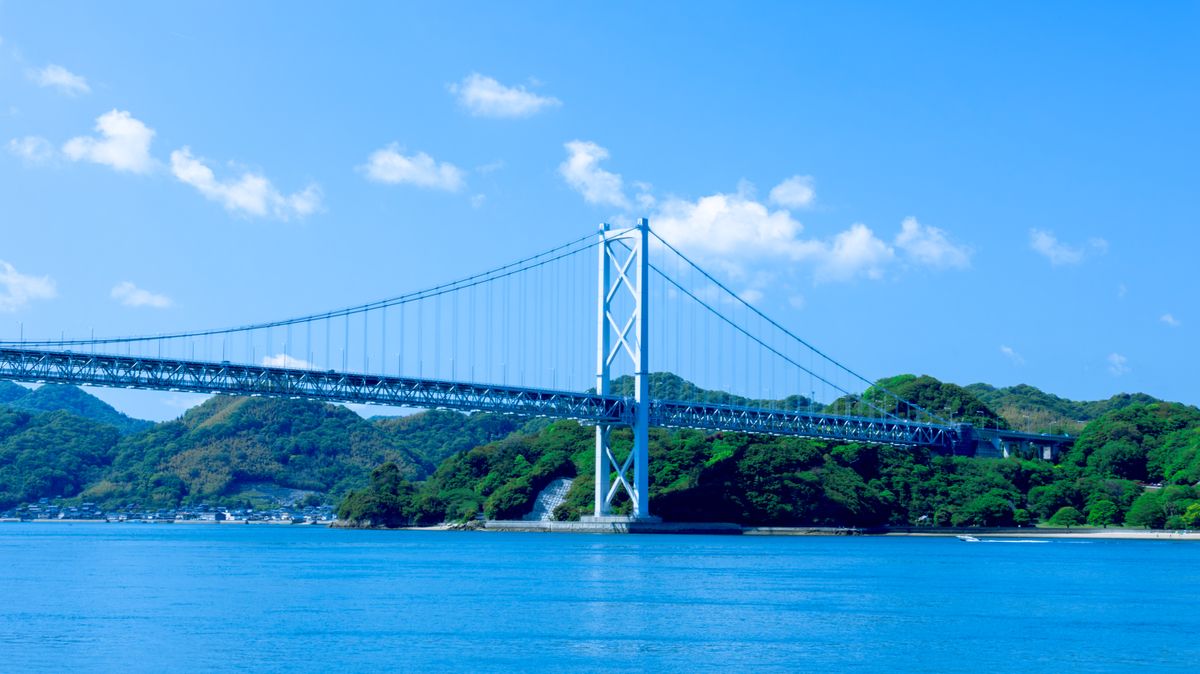
The Shimanami Kaido ends — or begins — in Imabari. The 70km route across six islands is the only cycle path between Honshū and Shikoku, and it is consistently ranked among the finest cycling routes in Asia. The Kurushima-Kaikyo section alone — three consecutive suspension bridges crossing a strait used by ships since the Heian period — is an engineering and aesthetic experience that has no equivalent in Japan.
Matsuyama (population 500,000) is Shikoku's largest city and functions accordingly — a full regional capital with a tram network, shopping districts, university hospitals, and the distinctive identity that comes from Dogo Onsen as a living institution rather than a museum exhibit. People in Matsuyama use Dogo Onsen the way people in other cities use public swimming pools: after work, on weekends, as a social routine. Imabari (population 150,000) is an industrial city with a textile heritage; quieter but with a strong local economy and convenient Shimanami Kaido access.
Matsuyama Airport connects to Tokyo (Haneda, 1h15), Osaka, and Nagoya. JR Yosan Line runs along the north coast connecting Matsuyama to Imabari (35 min), Niihama, and east toward Takamatsu. No Shinkansen on Shikoku — limited express trains and expressway buses are the intercity standard. Matsuyama has a functioning tram network covering the city centre. A car is important outside Matsuyama; the coastal highway and Shimanami islands reward car access.
Matsuyama city apartments ¥3M–¥12M; houses ¥5M–¥20M in the city, lower outside. Imabari town ¥2M–¥10M. Coastal towns (Uwajima, Seiyo) from ¥500K–¥5M for larger properties. The Shimanami Kaido islands (Oshima, Ikuchijima, Innoshima) have rising attention but modest prices still — accessible island living with ferry/bridge connections.
The prefectural capital: Dogo Onsen as a daily institution, the castle on the hill, Haiku poet Masaoka Shiki's birthplace, a functioning tram network, and Shikoku's best urban amenities. The most liveable city on the island.
The industrial city at the Shikoku end of the Shimanami Kaido: towel manufacturing heritage, the Imabari Castle on the sea, and excellent direct access to the cycle route and island communities.
The six islands connected by the Kaido bridges — increasingly popular with remote workers and cyclists who want island living with a physical connection to both Honshū and Shikoku.
Southernmost castle city in Ehime, known for tōgyū (bull sumo), a surviving castle keep, and pearl oyster production. Slower pace, lower prices, distinctive local culture.
Where To Start
Four ways to start in Ehime
Dogo Onsen Honkan is best experienced at dusk, when the interior lights illuminate the wooden structure from within and the surrounding shotengai is active. The ground-floor Kami-no-Yu (Water of the Gods) bath is open to all; the upper-floor Tama-no-Yu (Water of Spirits) requires a small additional fee and includes access to the tatami resting rooms. <a href="https://dogo.jp/en/" target="_blank" rel="noopener" class="text-blue-600 dark:text-blue-400 hover:underline">Dogo Onsen</a> is currently undergoing phased renovation — check the website for current access arrangements, as sections have reopened progressively since 2019.
The full 70km route from Onomichi (Hiroshima) to Imabari (Ehime) is best done over two days, overnighting on Oshima or Ikuchijima island. Bicycles can be rented at Onomichi and returned at Imabari (or vice versa). The route is entirely marked with blue lines on the road surface. Each bridge has dedicated cycle lanes mounted on the vehicle structure; crossing the Kurushima-Kaikyo Straits bridge — a triple suspension bridge — is the route's visual peak. <a href="https://shimanami-cycle.or.jp/rent/" target="_blank" rel="noopener" class="text-blue-600 dark:text-blue-400 hover:underline">Giant Shimanami</a> operates the main rental network.
Matsuyama Castle sits 132 metres above the city on a forested hill. The cable car (ropeway) runs from the base station near Dogo to the hilltop in 3 minutes; walking the zigzag path takes about 20 minutes. The castle keep is original Edo-period construction — rebuilt in 1854 after a lightning strike, making it the newest of Japan's twelve original keeps. The panoramic views across Matsuyama and the Seto Inland Sea are best in clear morning light. <a href="https://www.matsuyamajo.jp/en/" target="_blank" rel="noopener" class="text-blue-600 dark:text-blue-400 hover:underline">Matsuyama Castle</a> admission includes the honmaru (main citadel) area and all secondary keeps.
Imabari's towel mills have produced Japan's most prestigious cotton goods since the late Meiji era — the distinctive absorbency comes from a two-stage water-wash process using the soft water of the Niyodo River. <a href="https://www.imabaritowel.jp/en/" target="_blank" rel="noopener" class="text-blue-600 dark:text-blue-400 hover:underline">Imabari Towel</a> operates factory stores in Imabari city where the full range — from ¥500 face towels to ¥8,000 bath sheets — is available at manufacturer prices, including the certified white-tag premium line not always available in Tokyo department stores.
Daily Life in Ehime
Matsuyama functions as Shikoku's urban centre. With 500,000 people, a functioning tram network, two universities, major hospitals, and Dogo Onsen as a daily social institution rather than a tourist attraction, it has the texture of a genuine city rather than a regional town. The tram connects the JR station, the central shopping district, the castle hill base station, and Dogo Onsen in a single loop — giving the city a walkable and transit-accessible core that most Japanese cities of its size lack.
Dogo as a neighbourhood is more than the onsen building: the surrounding shotengai has hot spring foot baths on the street, bakeries selling bot-bot tea and mikan products, and an architecture that retains its late-Meiji and Taisho streetscape in sections. Matsuyama has a literary identity — Masaoka Shiki (who defined modern haiku) and novelist Natsume Soseki (who wrote Botchan in Matsuyama) give the city an unusual cultural weight for its size.
Imabari's daily life is more industrial and pragmatic: the city is a world centre of textile manufacturing, and the towel and cotton goods industries remain active employers. The Shimanami Kaido islands attract a growing number of remote workers, artists, and cycling-focused residents who choose island living with physical bridge connections to both major islands. Island community life on places like Oshima and Ikuchijima is genuine rather than touristic.
Food and Drink
Mikan (satsuma tangerines) are Ehime's defining agricultural product. The prefecture produces 15% of Japan's total mikan crop — hillside groves facing south over the Seto Inland Sea are part of the landscape along the Shimanami route. Ehime mikan have a natural sweetness and low acidity from the warm coastal climate; they are eaten fresh from October through February and preserved as juice, jam, and vinegar throughout the year. Ryokan in Matsuyama typically serve mikan with sake at check-in as a point of local pride.
Jakoten — a coarse fish cake pressed from small fish (jack mackerel, lizardfish) ground with the bones and skin, then deep-fried — is Ehime's most distinctive local food. The rough texture and intense savory flavor comes from using the whole fish. Eaten hot from street stalls, with sake, or as a side dish at izakaya. Local izakaya around Dogo Onsen typically have jakoten on the menu alongside Ehime's relatively extensive sake brewery culture.
The Imabari yakitori style uses chicken skin wrapped around a bamboo skewer and grilled at high heat until the fat renders and the exterior crisps — a distinct local variant, served with a sweetened soy tare. Imabari reportedly has more yakitori shops per capita than almost any city in Japan. Imabari's food culture is quietly competitive despite the city's industrial identity.
Culture and Events
Tōgyū (bull sumo) in Uwajima is Ehime's most singular cultural event — an ancient practice in which two bulls of approximately equal weight are matched in a pushing contest, with a human referee who intervenes if one animal turns away. Unlike Spanish bullfighting, neither animal is harmed; the match ends when one bull disengages and retreats. Tournaments are held in Uwajima six times a year at a dedicated arena, with detailed weight and rank systems drawn from sumo. The spectacle is genuinely popular among local residents, not merely preserved for tourism.
The Matsuyama Autumn Festival (October) fills the area around Matsuyama Castle with dashi (festival floats) and mikoshi processions. The festival calendar follows Isaniwa Shrine — one of only a few examples of Hachiman-zukuri architectural style in Japan — and draws the central districts of the city into a three-day celebration with street vendors lining the castle approach.
Dogo Onsen Matsuri (December–March) accompanies the Dogo area's winter cultural season, when the illuminated Honmaru courtyard, the shotengai decorations, and the onsen steam create an atmosphere that attracts domestic tourists specifically for the winter combination of hot springs, mikan, and seasonal light displays. Dogo Onsen events calendar lists seasonal programming.
Weekends and the Outdoors
The Shimanami Kaido is both the obvious destination and the access route to a series of quieter island communities. Ikuchijima (Setoda) has the extraordinary Kosanji Temple — an entire temple complex built by a single industrialist between 1936 and 2000 in meticulous copies of Nikko Toshogu, the Itsukushima gate, and other architectural landmarks, all in brilliant white marble. Adjacent is the Hirayama Ikuo Silk Road Museum. Oshima is the largest island on the route and has the most developed cycling and accommodation infrastructure.
Ishizuchi-san (1,982 metres) is Shikoku's highest mountain and one of Japan's 100 Famous Mountains. The approach from Saijo (accessible by JR from Matsuyama) leads to a ropeway and then a chain-assisted rock climb to the summit — iron chains are the traditional pilgrimage method, with gloves available at the base station. The mountain has a summer opening festival (July 1st, Reizan-sai) when pilgrims in white climb overnight for sunrise on the summit.
Ehime's Cape Sada and the Sadamisaki Peninsula — the longest cape in Japan at 40km — offer a distinctive landscape of narrow mountain ridge, citrus terraces, and fishing villages accessible by local bus from Yawatahama. The cape's tip (Misaki-cho) faces Oita Prefecture across the Hoyo Channel and is the departure point for ferries to Kyushu.
Three Days In Ehime
A simple first-trip route
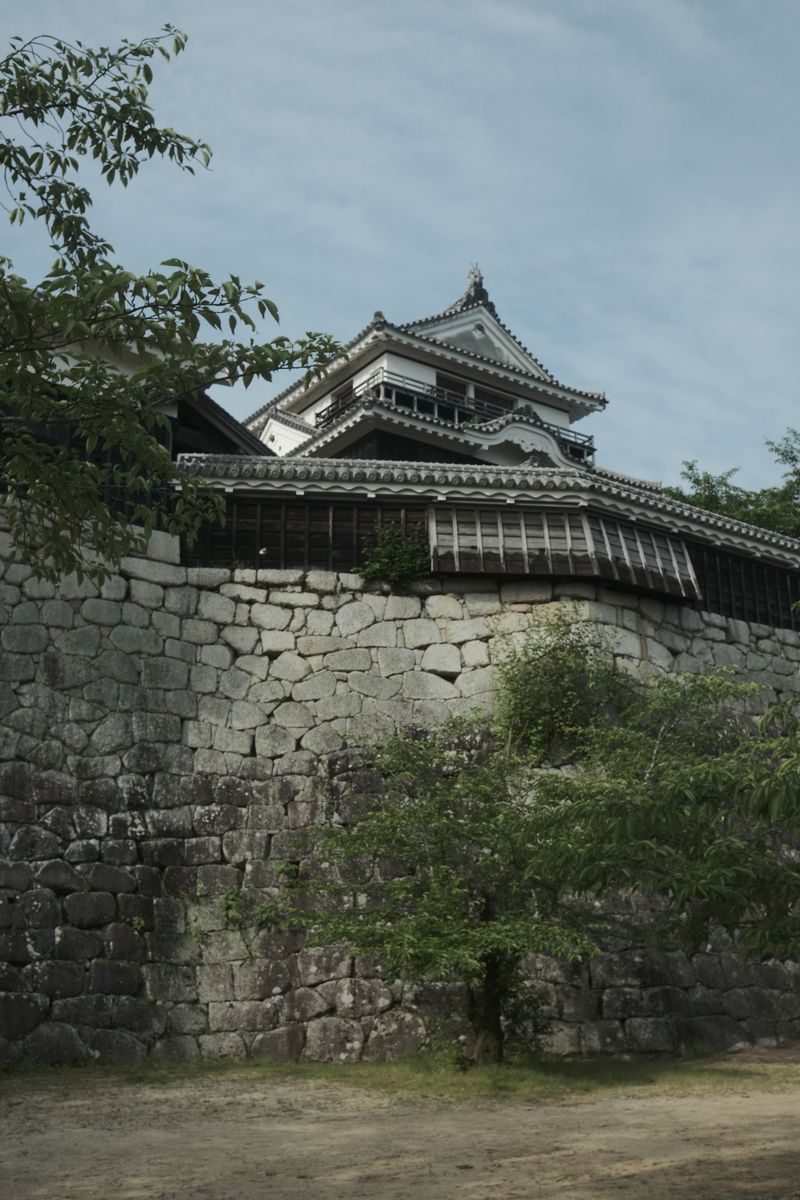
Fly into Matsuyama (1h15 from Haneda). Take the city tram toward Dogo Onsen — the tram runs from the airport bus to the onsen district in a single connection. Morning: climb Matsuyama Castle (cable car or walk). Afternoon: Shiki Memorial Museum (birthplace of the haiku poet Masaoka Shiki, born 1867, who defined modern haiku) and the covered Dogo shotengai shopping arcade. Evening: bathe at Dogo Onsen Honkan at its most atmospheric — the building illuminated, the street busy, the water at 42°C.
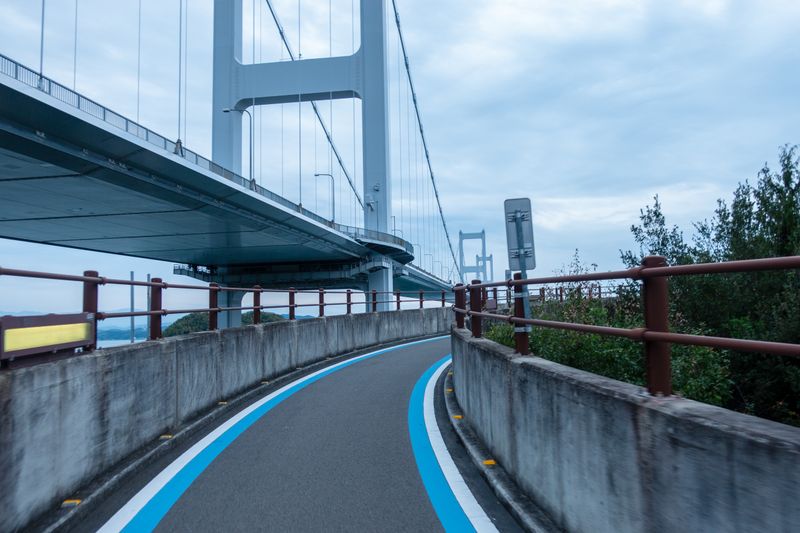
JR from Matsuyama to Imabari (35 min). Rent a bicycle at the Imabari terminal and start the Shimanami Kaido heading north (toward Onomichi). The first section crosses to Oshima island via the Kurushima-Kaikyo Bridges — three consecutive suspension spans across the strait where ships have navigated for centuries. Continue to Ikuchijima for lunch in Setoda town, where Kosanji Temple (a private complex built to resemble Nikko Toshogu) occupies the seafront. Return by bus from any of the bridge islands to Imabari.
Limited express from Matsuyama to Uwajima (1h40). Uwajima Castle is one of Japan's twelve original keeps — small but genuine, on a hill above the sea with tidal views. Tōgyū (bull sumo) matches are held at the Uwajima arena on set tournament dates (January, April, July, August, October, November) — not wrestling but a push-match between two bulls with a referee, deeply embedded in local identity. Afternoon: Uwajima's pearl oyster market and the Warei Shrine, whose August festival includes elaborate float processions on the river.