Tohoku's Largest City, Japan's Most Famous Tanabata Festival, and the Scenic Bay That Has Inspired Poets for 1,200 Years
Living in Miyagi
A Tohoku prefecture anchored by Sendai — a city with a full metropolitan infrastructure, the most celebrated Tanabata festival in Japan, and grilled beef tongue restaurants on every block — bordered by Matsushima Bay's 260 pine-covered islands and the Zao mountains' winter crater lake and snow-monster forests.
Why People Choose Miyagi
Miyagi offers what most Tohoku prefectures don't: a genuinely large city. Sendai is not a regional town that happens to have Shinkansen access — it is a functioning metropolitan centre of 1.1 million people, with two subway lines, a commercial core that serves the entire Tohoku region, and a character that is distinctly its own rather than a Tokyo satellite. Property prices in Sendai run 60–70% below Tokyo equivalents for equivalent commute quality and infrastructure access, and the Tohoku Shinkansen puts Tokyo 90 minutes away. For buyers who want a genuine city life outside the Kanto corridor, Sendai is the most complete option in northern Honshu.
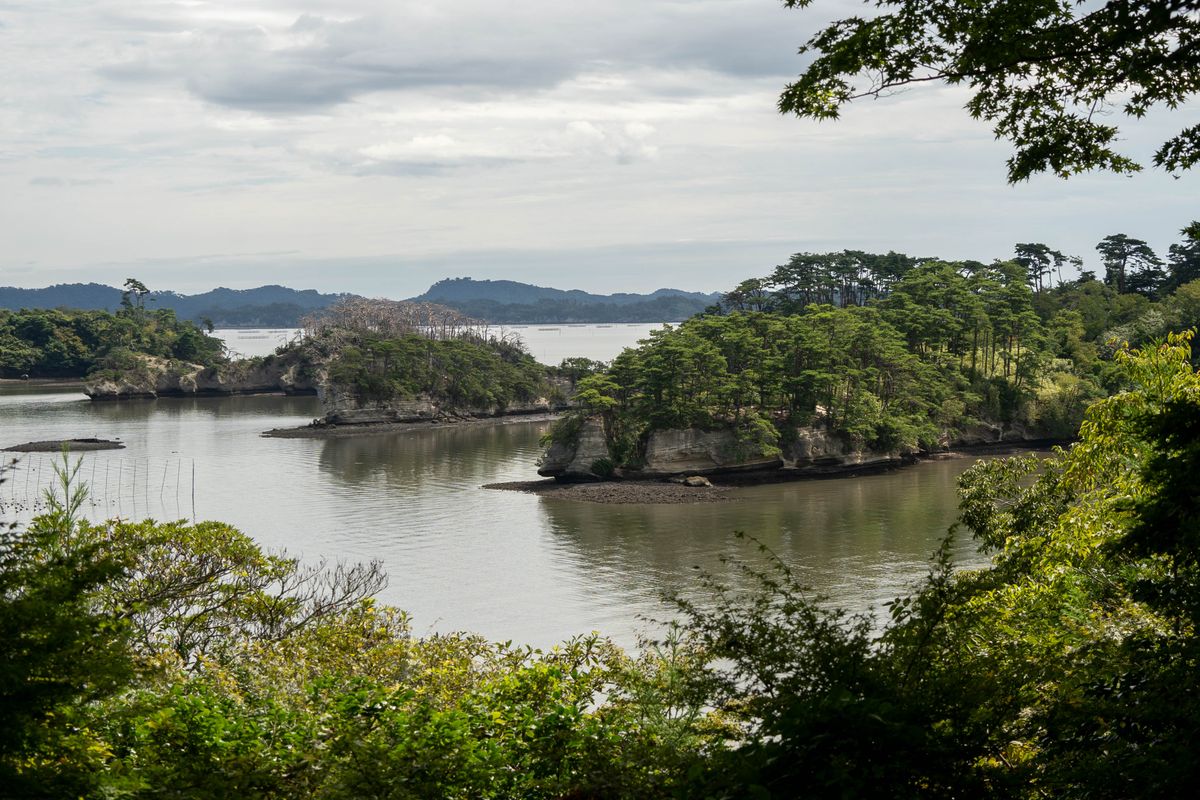
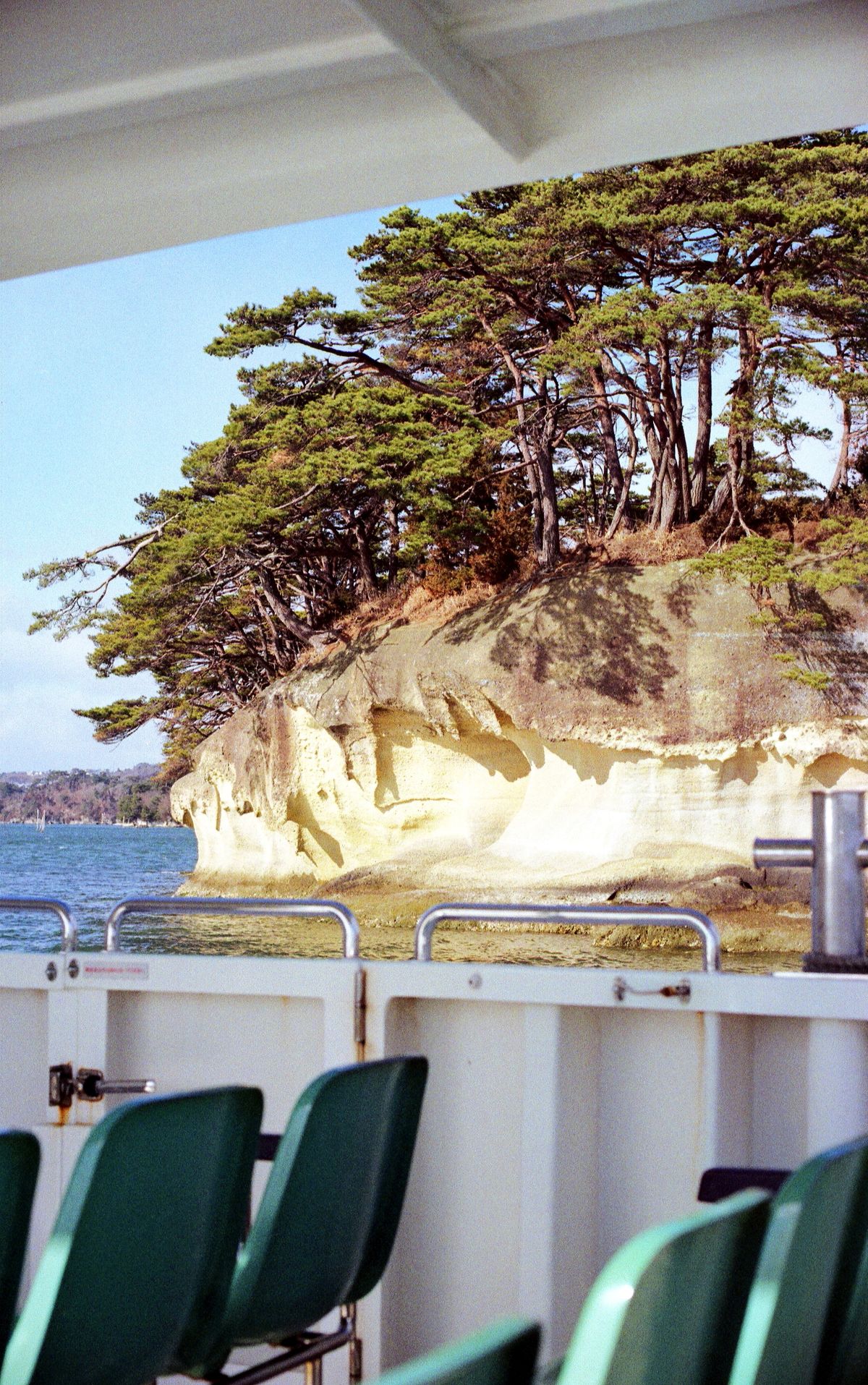
The cultural anchors are distinctive rather than generic. Matsushima Bay is one of Japan's three nihon sankei — the three views that Edo-period scholars and poets designated as the country's most beautiful natural scenes (the others are Amanohashidate in Kyoto and Miyajima in Hiroshima). The bay contains 260 islands in a shallow coastal inlet; the pine trees clinging to the rocky outcrops have been painted, photographed, and written about since the 8th century. Matsuo Basho visited in 1689 and is said to have been unable to write a haiku — his diary entry simply reads "Matsushima ya..." with the line unfinished.
The Sendai Tanabata Matsuri (6–8 August every year) is the largest and most elaborate Tanabata celebration in Japan. The festival transforms the city's seven covered shopping arcades with enormous streamers made from washi paper and bamboo — some reaching 10 metres — that the city's craft guilds spend months preparing. The official festival site covers the decoration rules (each style has specific symbolism) and the three-million-visitor scale that makes the Sendai version the benchmark that all other Tanabata festivals are measured against.
Sendai is a full metropolitan city — not a large town that functions as a regional centre, but a genuinely urban environment with a defined commercial core, university district, medical facilities at national scale, and the independent restaurant and cultural scene that comes with 1.1 million residents. The Jozenji-dori boulevard (zelkova-tree-lined, hosting the Jazz Festival in September) runs through the centre and gives Sendai an unusual civic character for a Tohoku city. Outside Sendai, Matsushima is a smaller, tourism-oriented town with a permanent population of about 16,000 and a daily rhythm set by ferry schedules and ryokan check-in times.
Tohoku Shinkansen: Sendai to Tokyo in 90 minutes; to Shin-Aomori in 60 minutes. Yamagata Shinkansen branch: Sendai to Yamagata (for Zao) in 40 minutes. Sendai city: subway (Namboku and Tozai lines), bus network. Matsushima: 25 minutes by local JR Senseki line from Sendai. Car useful but not essential within Sendai; required for the Sanriku coast and Zao.
Sendai City centre flats ¥8M–¥20M; residential suburbs ¥5M–¥15M. Matsushima town houses ¥5M–¥15M (sea views command a premium). Zao/Shiroishi area properties ¥1M–¥8M. Prices run 60–70% below Tokyo equivalents. The 2011 earthquake and tsunami affected coastal eastern Miyagi but the Sendai city core and Matsushima were largely undamaged.
The metropolitan anchor: Ichibancho covered arcade, Jozenji-dori boulevard, Sendai Station shopping complex, and the university district around Tohoku University. Full Shinkansen access; Japan's 10th-largest city by commerce.
The scenic bay: 260 pine islands, Zuiganji temple complex, ferry tours of the bay, ryokan culture, and the daily rhythm of a small coastal heritage town 25 minutes by train from Sendai.
The port city between Sendai and Matsushima: the Shiogama fish market (Miyagi's best), a Shinto shrine regarded as the protector of the Tohoku fisheries, and ferry connections to the Matsushima islands and Oshima. More working-town character than tourism-oriented Matsushima.
The mountain district: Zao Onsen ski resort (juhyo snow-monster trees in winter), Okama crater lake (emerald-green, visible June to October), and the Shiroishi town base for the mountain access. For buyers who want the mountains within a 90-minute drive of Sendai.
Where To Start
Four ways to start in Miyagi
The bay's 260 islands are most visited in spring and autumn when the pine-covered rocks reflect in the water under clear skies. In winter, a weekday morning brings near-solitude: the ferry from Matsushima Pier still runs year-round (the <a href="https://www.matsushima-kanko.com/en/" target="_blank" rel="noopener" class="text-blue-600 dark:text-blue-400 hover:underline">Matsushima Tourism site</a> lists schedules), and the grey winter light on the bay has an austere beauty that the autumn tourist season crowds obscure. The 50-minute circuit ferry passes through the main island clusters and returns to the pier; the observation deck at Saigyo Modoshi no Matsu Park gives the widest view from shore.
Gyutan was invented by Tasuke Sano in 1948 at his yakitori restaurant Tasuke, which still operates in Sendai. The standard gyutan teishoku set (定食) includes thick-sliced grilled tongue (3–4 slices), oxtail soup, barley rice, and pickles — the entire meal is built around the tongue's different textures. Over 100 specialist restaurants now operate in Sendai; the highest concentration is in the basement and second floors of the buildings around Sendai Station's west exit. <a href="https://www.sendai-gyutan.jp/" target="_blank" rel="noopener" class="text-blue-600 dark:text-blue-400 hover:underline">The Gyutan Restaurant Association</a> lists members with maps.
The Jozenji Street Jazz Festival (mid-September, free admission) has operated for over 30 years and fills the zelkova-lined boulevard with 700+ acts across two days — everything from student jazz combos to internationally booked headliners. The boulevard's three-row zelkova canopy is at full summer-to-autumn transition; the combination of the tree avenue, the music stages, and the food vendor lines makes it one of Sendai's most distinctive seasonal experiences and one of the largest outdoor jazz festivals in Japan.
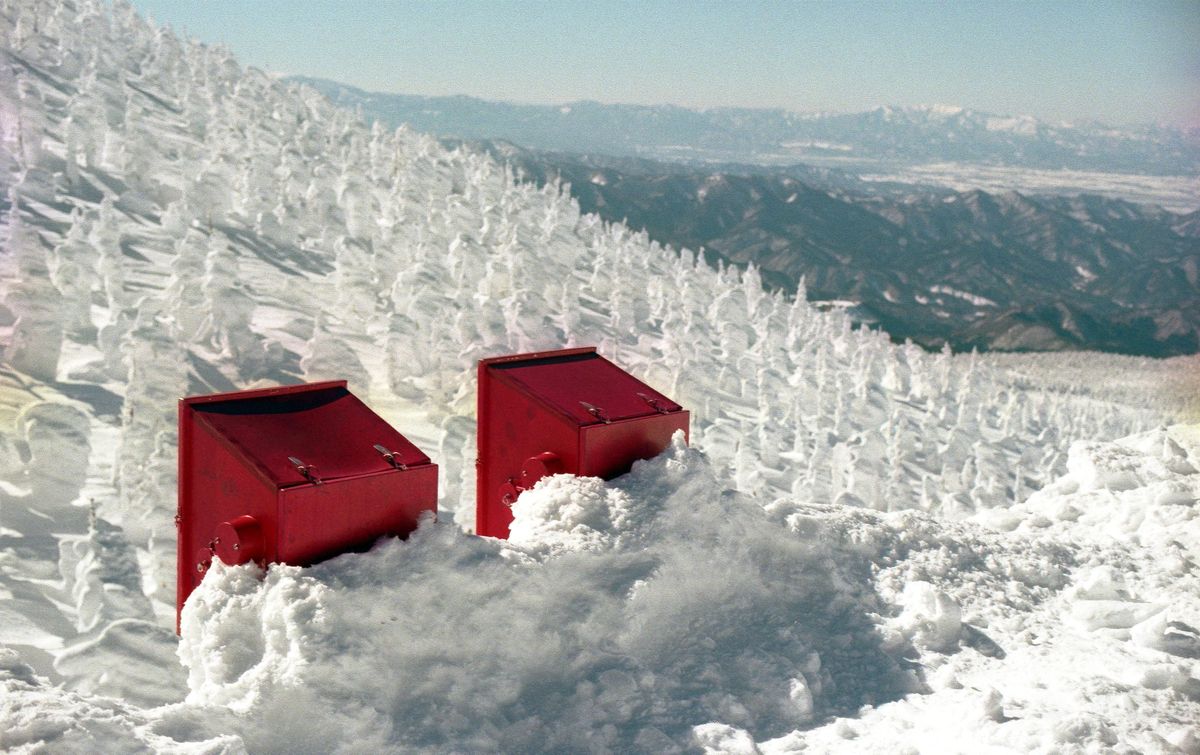
Zao Onsen, 90 minutes from Sendai by car or train-plus-bus, produces juhyo — snow-covered fir trees that accumulate ice and snow until they become shapeless white towers up to 4 metres tall. The phenomenon requires specific temperature and humidity conditions; it forms reliably from late January to late February. The Zao Ropeway (two stages) ascends through the juhyo forest and reaches the upper station for the <a href="https://www.zao-onsen.jp/en/" target="_blank" rel="noopener" class="text-blue-600 dark:text-blue-400 hover:underline">Zao crater lake view</a> when weather permits. The onsen town at the base has 30+ ryokan with milky-white sulphur water onsen.
Daily Life in Miyagi
Sendai City has a defined civic identity that most Japanese regional capitals lack. The Jozenji-dori boulevard — three rows of zelkova trees down a central median, running from the station area to the Hirose River — gives the city a walkable civic core. The annual Jazz Festival in September fills the boulevard with 700+ acts; the Sendai Pageant of Starlight in December lines the zelkova trees with illumination. The combination of the tree canopy, the festival culture, and the independent restaurant scene gives Sendai a character that regular visitors describe as notably more liveable than its size would suggest.
Tohoku University (Japan's third imperial university, founded 1907) occupies the hillside above the city centre and brings 20,000 students into the urban core — an influence on the city's coffee shop, bookshop, and independent culture that is disproportionate to the raw numbers. The medical district around the university hospital and Tohoku University's research facilities employs a significant professional class. The combination of university culture, government functions, and Shinkansen-accessible corporate offices creates a mixed economy that is less dependent on manufacturing than many comparable Japanese cities.
Matsushima operates at a different scale — a town of 16,000 whose economy is oriented around the tourist season and the ryokan industry. The permanent resident experience is quieter: morning walks along the bay before the day-trip buses arrive from Sendai, the fish market at Shiogama a 10-minute drive away, and the cultural calendar of Zuiganji temple's seasonal events. Buyers who choose Matsushima are usually choosing explicitly for the bay view and the proximity to a smaller, slower coastal lifestyle within commuting distance of Sendai.
Food and Drink
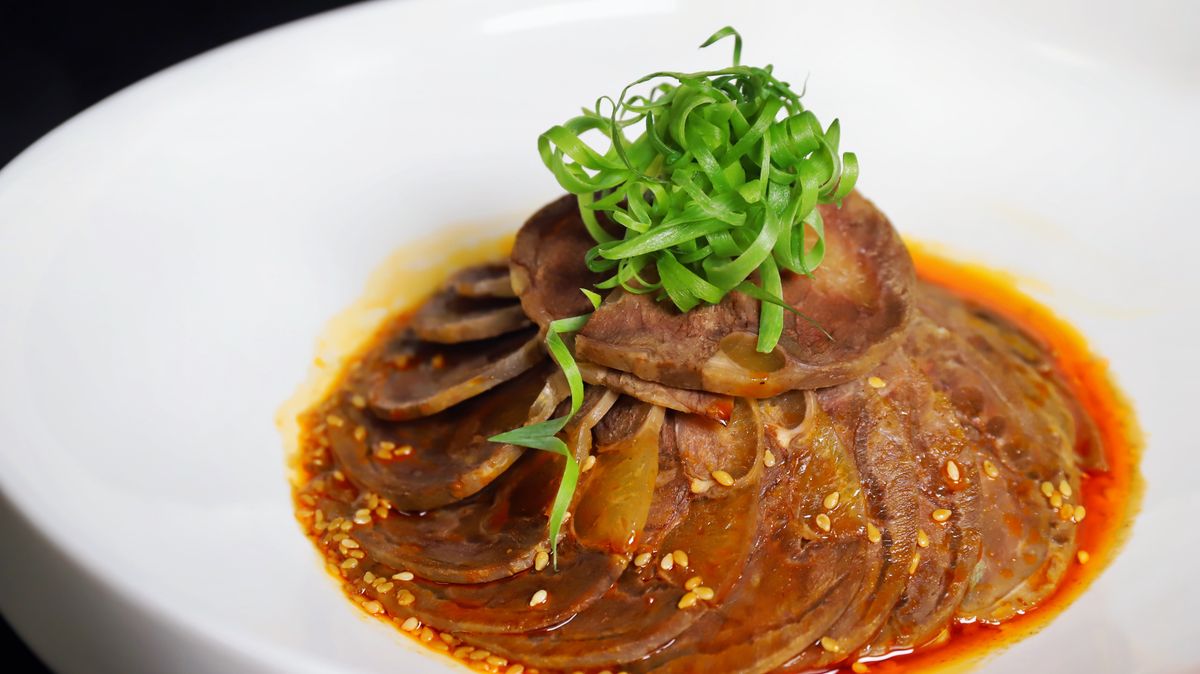
Gyutan (牛タン) — grilled beef tongue — is Sendai's most distinctive contribution to Japanese food culture. It was created in 1948 by Keishiro Sano at his yakitori restaurant Tasuke, who began using the tongue cuts that American military occupation forces were discarding. The Sendai preparation slices the tongue thicker than standard yakiniku (8–10mm versus 3–4mm), marinates in salt and sake, and grills over charcoal to char the outside while keeping the centre tender. The standard set (teishoku) adds oxtail soup, pickled vegetables, and barley rice (mugimeshi) which absorbs the soup. Over 100 specialist restaurants operate in Sendai; the Sendai Gyutan Restaurant Association maintains a current list.
Miyagi's seafood identity is built on the Sanriku Coast and Matsushima Bay. Shiogama fish market (Uontana Shijo, 20 minutes from Sendai) is considered the best fish market in Tohoku — not a tourist spectacle but a working market where Sendai's restaurants source their daily supply. Matsushima oysters (cultivated in the bay's shallow, plankton-rich water) are available at waterfront restaurants from October to April. The bay's kaisen-don (seafood rice bowl) culture — local sea urchin, oysters, salmon, and scallops on Miyagi rice — is the standard tourist food and is consistently good.
Sendai has a sake brewing tradition anchored by the Ichinokura brewery in Matsuyama (30 minutes from Sendai), which produces Miyagi's most distributed label and offers factory tours year-round. The city's restaurant culture extends well beyond gyutan and seafood — Sendai has a substantial Korean food community (historically from migration to the Tohoku coalfields), a strong ramen culture (Sendai miso ramen is a regional variant), and an independent coffee shop scene that serves a large student and professional population.
Culture and Events
The Sendai Tanabata Matsuri (6–8 August) transforms Sendai's seven covered shopping arcades — Ichibancho, Chuo Dori, and five others — with decorations that city craftspeople and merchant associations have spent months constructing. Each streamer (kazari) is built from bamboo poles, washi paper strips, paper orbs, origami nets, paper fans, and other symbolic elements; the seven types of decoration each carry specific meaning related to the Tanabata legend (Orihime and Hikoboshi, the weaver star and the cowherd star, separated by the Milky Way). The decorated arcades extend for hundreds of metres; the scale, craftsmanship, and concentration make Sendai's version the benchmark for Tanabata festivals nationwide. The evening before (August 5th) the Tanabata Fireworks Festival at Nishikoen launches 16,000 shells over the Hirose River.
Zuihoden — the mausoleum of Date Masamune, the One-Eyed Dragon of Sendai — is Miyagi's most significant historical site. Masamune (1567–1636) built Sendai castle and developed the city into the largest domain in Tohoku. His lacquered black and gold sepulchre, rebuilt in 1979 after wartime bombing, sits in a cedar grove on a hill overlooking the city. The adjacent mausoleums of his son and grandson are plainer but historically significant. The complex is a 20-minute bus ride from Sendai station and rarely crowded outside summer.
The Sendai Jazz Festival (Jozenji Street Jazz Festival, mid-September) has operated for 35+ years along the zelkova-lined Jozenji-dori boulevard — 700+ acts over two days, free entry, food stalls, and the autumn canopy of the zelkova trees at peak colour transition. The festival is the largest outdoor jazz event in Japan by act count, and the combination of the city street setting and the ensemble scale gives it a different character from enclosed festival sites.
Weekends and Escape
Shiogama fish market and the ferry to Matsushima makes a natural day combination: Shiogama's Uontana Shijo opens at 7am and the working-market atmosphere has none of the tourist overlay of Tsukiji or Hakodate. The seasonal Sanriku seafood (silver salmon in autumn, whelk and oysters in winter, sea urchin in summer) is at market price rather than restaurant price. The Matsushima-bound ferry departs from Shiogama Port at regular intervals (50 minutes, ¥1,500) and passes through the outer island clusters before arriving at Matsushima Kaigan pier.
The Sanriku Coast northeast of Sendai is one of Japan's most dramatic coastal drives — the rias coastline (deep fjord-like inlets alternating with rocky headlands) extends for 300km from Matsushima north to Aomori. The Minamisanriku Reconstruction Memorial National Park, which documents the 2011 tsunami recovery along the most-affected stretch of coastline, has become a significant destination for understanding both the disaster and the resilience of the coastal communities. The Sanriku Geopark covers the geological and cultural history of the entire coast.
Zao Onsen (90 minutes from Sendai) has a 1,900-year history as a therapeutic hot spring resort — the milky-white sulphurous water is a distinct type (strongly acidic, pH 1.7 in some baths) that is considered effective for skin conditions. The ski resort above the onsen town is one of Tohoku's largest; in winter the juhyo (snow-monster) forest above the gondola line is a natural phenomenon unique to the specific temperature and humidity conditions of the Zao mountain chain. The crater lake (Okama) at 1,758 metres is inaccessible by snow from November to May but the emerald-green volcanic lake and surrounding peak circuit from June to October is among Tohoku's best day hikes.