Mount Fuji's South Face, Japan's Green Tea Capital, and the Izu Peninsula
Living in Shizuoka
The prefecture with the best unobstructed views of Mount Fuji, Japan's largest green tea-producing region by volume, the Izu Peninsula's hot springs and black sand beaches, freshwater wasabi farms that supply most of Japan's restaurants, and Hamamatsu eel — all connected by the Tokaido Shinkansen.
Why People Choose Shizuoka
The honest selling point for Shizuoka is location. The prefecture sits on the Tokaido corridor — one of the world's most heavily used transit routes — and has Shinkansen access to Tokyo in under an hour and to Osaka in 75 minutes. Property prices are meaningfully lower than both. The climate, influenced by the Pacific and sheltered from the Japan Alps, is mild enough to grow tea year-round and warm enough that the Pacific beaches are swimmable from June through September.
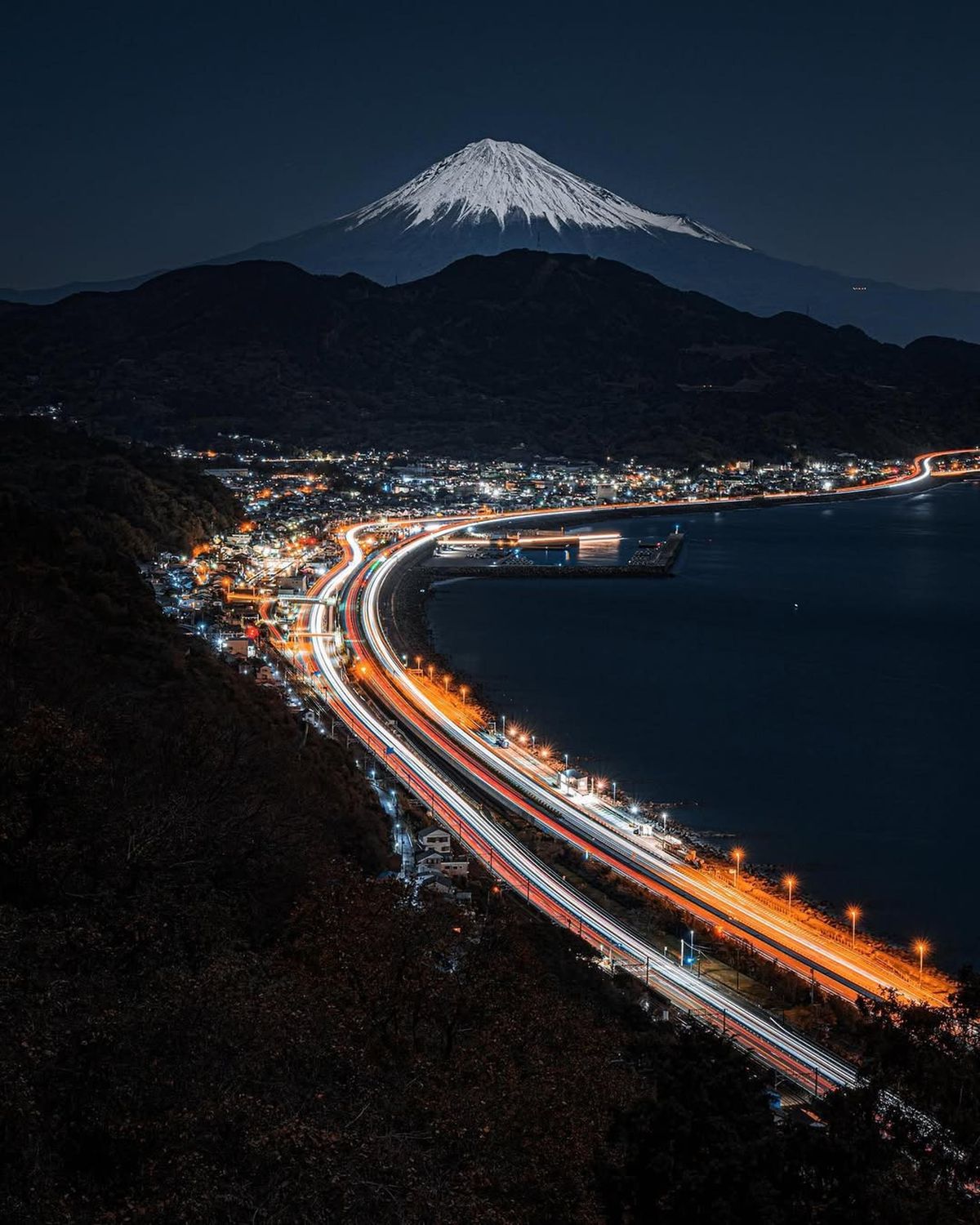
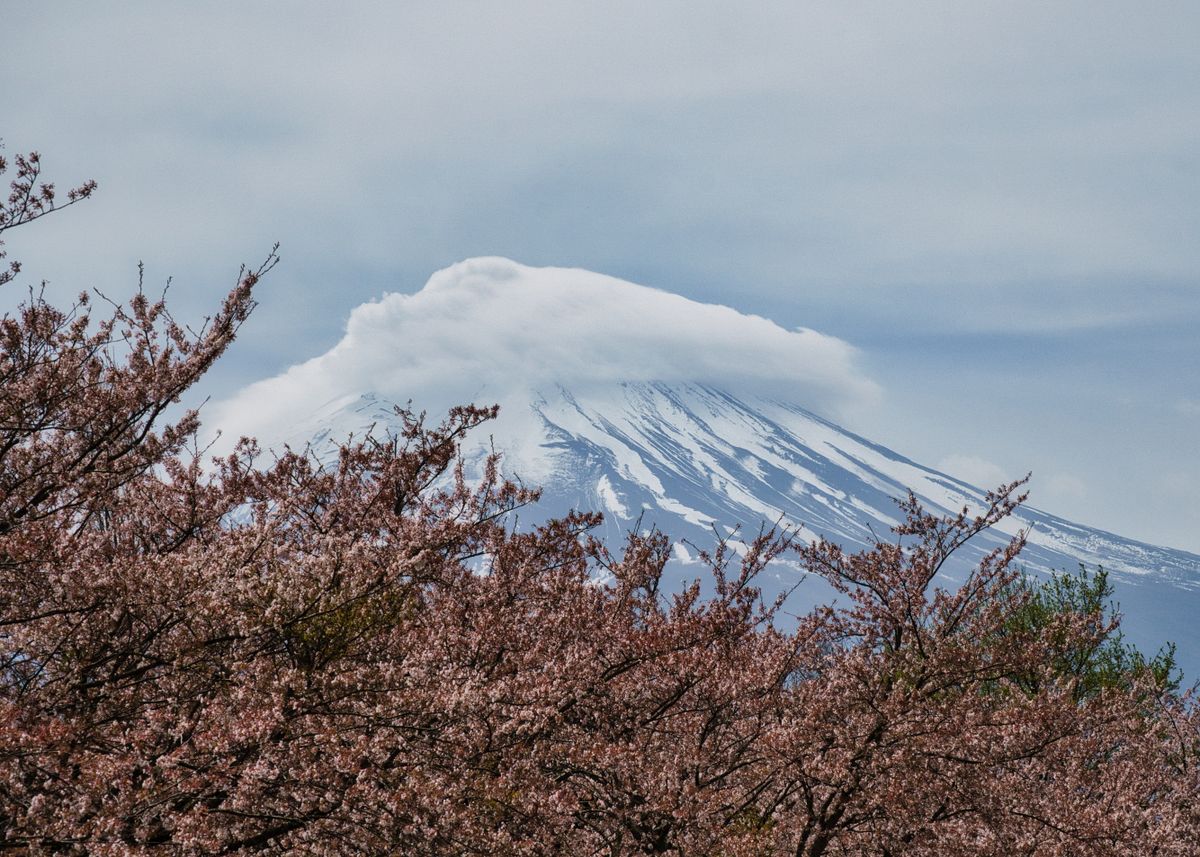
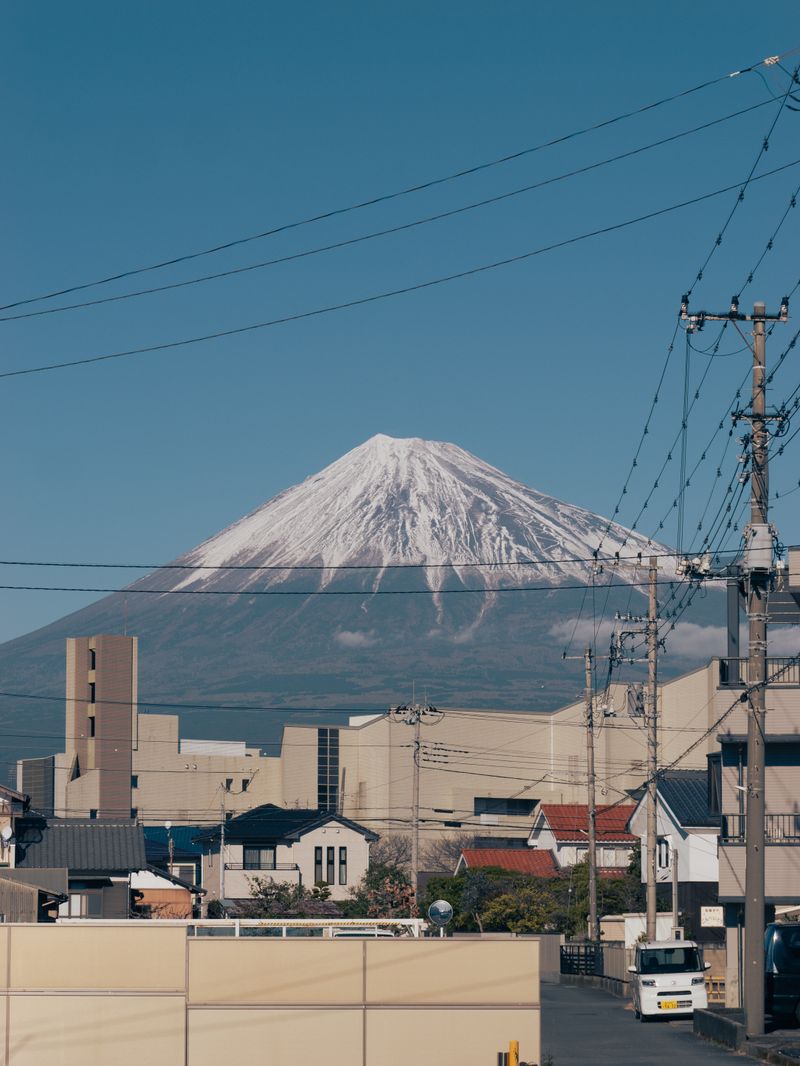
Mount Fuji's south face — seen from Fujinomiya, the Miho no Matsubara shore, and sections of the coast — is the broader, more symmetrical profile and arguably the more photogenic of the two principal views. The UNESCO Fujisan designation includes 25 associated sites, the majority in Shizuoka: the Fujisan Hongu Sengen Taisha shrine (the origin-worship site for Fuji pilgrimage since the 9th century), the Miho no Matsubara grove, Shiraitonotaki waterfall, and the Fujinomiya trail to the summit.
The Izu Peninsula adds a completely different dimension: 1,000 hot spring sources, Pacific-facing beaches, hon-wasabi farms in the mountain streams, and the historical weight of Shimoda — where Japan's modern engagement with the West formally began in 1854. The Izu Peninsula Geopark, recognised by UNESCO in 2018, covers the entire peninsula's volcanic geology — the black sand beaches, the sculpted coastal cliffs, and the columnar basalt formations at Cape Irozaki are all products of the same subduction process that built Fuji.
Shizuoka City (population 690,000) is a mid-sized prefecture capital with a strong industrial and food-processing economy — green tea, pharmaceuticals (the city is sometimes called "Pharma Valley"), and precision manufacturing. It has full urban infrastructure, a direct Shinkansen stop, and a backdrop of tea terraces and the Abe River valley that gives it an unusual combination of urban and pastoral. Hamamatsu (population 800,000) is the prefecture's largest city — a music and manufacturing town (Yamaha and Kawai pianos, Honda motorcycles) with a different character and its own Shinkansen stop. The Izu Peninsula operates as a distinct region: resort-oriented, seasonal, with an outdoor lifestyle built around onsen, diving, and the Pacific coast.
Tokaido Shinkansen: Shizuoka to Tokyo in 59 minutes, Hamamatsu to Tokyo in 80 minutes, Shizuoka to Shin-Osaka in 75 minutes. The Izu Peninsula is served by the Izu Kyuko Line from Atami — Shimoda in 1h40 from Atami. Fujinomiya requires a car or the JR Minobu Line from Fuji. A car is necessary for most of the Izu interior, the Makinohara tea plateau, and the wasabi farm areas.
Shizuoka City condos ¥8M–¥20M; detached houses ¥12M–¥28M. Hamamatsu similar range. Fuji and Fujinomiya ¥6M–¥18M for detached houses. Izu Peninsula resort properties vary widely: Atami and Ito ¥5M–¥20M (resort condos and vacation villas); Shimoda and southern Izu ¥3M–¥12M. The Makinohara plateau agricultural areas offer akiya properties with Suruga Bay and Fuji views from a few million yen with renovation.
The compact city directly below Fuji's south face — known as a food and tea city, with the Abe River valley tea terraces 20 minutes from the Shinkansen station and the Sengen Shrine at the base of the Fujisan World Heritage trail network.
The city at the foot of Fuji's south face, directly below the Fujisan Hongu Sengen Taisha shrine — the anchor shrine in the Fujisan World Heritage network and the starting point for the Fujinomiya Trail to the summit. Exceptional Fuji views from the city centre.
The Izu Peninsula's two primary resort towns: Ito for hot spring accommodation with good Shinkansen access via Atami; Shimoda for the historical Black Ship heritage, the Gyokusenji temple where Harris established the US Consulate, and the Pacific-facing beaches at Shirahama.
The prefecture's industrial and musical city: Yamaha and Kawai piano manufacturing, Honda's birthplace (Honda History Museum in nearby Hamamatsu), unagi eel cuisine, Hamanako Lake and its unique brackish water ecosystem. More practical than picturesque.
Where To Start
Four ways to start in Shizuoka
The Makinohara plateau above the coast between Shizuoka and Hamamatsu is the largest continuous tea cultivation area in Japan — 2,400 hectares of terraced fields producing approximately 6,000 tonnes of tea annually. During the first-flush (ichibancha) harvest in late April and early May, many farms on the <a href="https://www.pref.shizuoka.jp/sangyou/sa-710/englishhomepage.html" target="_blank" rel="noopener" class="text-blue-600 dark:text-blue-400 hover:underline">Shizuoka Tea Route</a> open for picking experiences and factory tours showing the steaming, rolling, and drying process.
Hamamatsu produces approximately 70% of Japan's farmed freshwater eel (unagi), raised in ponds fed by the spring water of the Tenryu River and Lake Hamana system. The kabayaki preparation — butterflied, steamed, then grilled over charcoal with a tare sauce of soy, mirin, and sake, served over rice in a lacquerware box — has been the standard here since the Edo period. The unagi served in Hamamatsu costs half what it does in Tokyo restaurants and is sourced from the same local producers. The historic unagi restaurants near Hamamatsu Station and the Lake Hamana shore have operated for generations.
The <a href="https://www.visit-shizuoka.com/en/spots/9/" target="_blank" rel="noopener" class="text-blue-600 dark:text-blue-400 hover:underline">Miho no Matsubara</a> pine grove (UNESCO World Heritage, part of the Fujisan inscription) is a 500-year-old stand of black pines stretching along the Suruga Bay shoreline, with Mount Fuji rising directly above the water to the northwest. The classical image of Fuji-above-pine-and-sea reproduced in countless woodblock prints was made from this location. The best light is at dawn when Fuji is clear and the pines cast long shadows across the sand.
The Izu Peninsula's cold mountain streams feed Japan's finest hon-wasabi cultivation. Genuine wasabi (Wasabia japonica) grows only in clean running water at 10–15°C — conditions found naturally in the Amagi highlands and the Shuzenji river valleys of central Izu. The <a href="https://www.amagi-wasabi.co.jp/" target="_blank" rel="noopener" class="text-blue-600 dark:text-blue-400 hover:underline">Amagi Wasabi Farm</a> near Shuzenji is among the accessible farms — wasabi takes 18 months to mature and the freshly grated rhizome has a completely different character from the green paste served at most sushi restaurants outside Japan.
Daily Life in Shizuoka
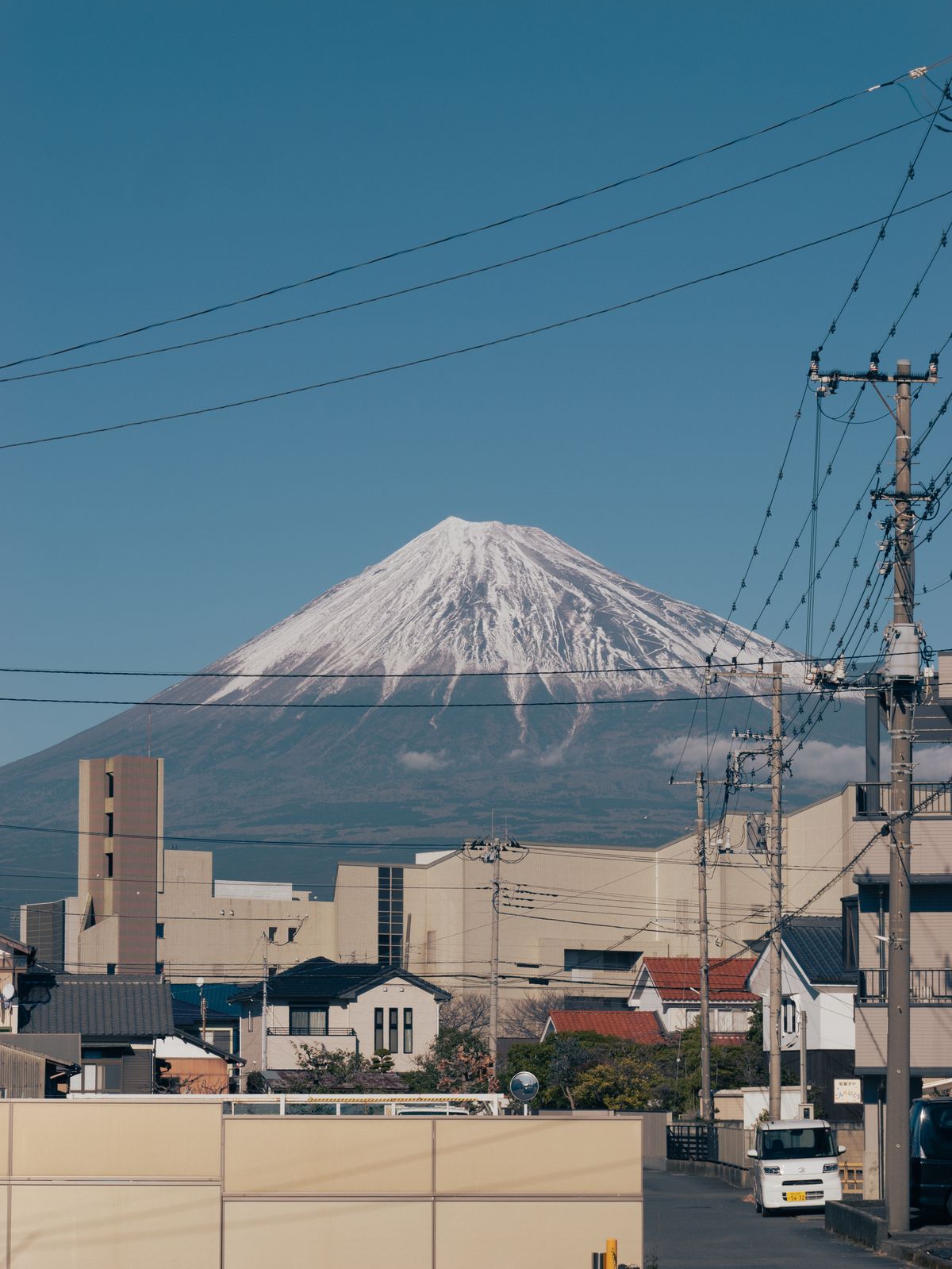
Shizuoka City has a compact, walkable centre and a character shaped by its tea and pharmaceutical industries. The city is sometimes called "Pharma Valley" — it has Japan's highest concentration of pharmaceutical companies per capita, a legacy of government policy in the 1980s and 1990s. This has resulted in a well-educated professional population, good salaries by provincial Japanese standards, and strong hospital infrastructure. The Abe River valley above the city reaches tea terraces within 20 minutes — a proximity of city and productive landscape that is unusual in Japan.
Hamamatsu operates differently — it is an industrial and creative city, the birthplace of Japan's musical instrument industry. Yamaha and Kawai both began manufacturing pianos here in the late 19th century; the concentration of musical instrument companies and associated musicians has given the city a genuine live music culture for its size. The Honda manufacturing and research facilities in the Hamamatsu area are a significant employer. Lake Hamana — the brackish lake connecting to the Pacific — is the specific water system that produces Hamamatsu's unagi (eel), and the lake shore has cycling paths and seafood restaurants that are entirely local in character.
The Izu Peninsula towns vary considerably. Atami and Ito are traditional hot spring resort towns with an established Tokyo weekend-escape culture — property here includes both full-time residential and vacation villa markets. Shimoda is quieter and more historically grounded, with a distinct colonial-era Western legacy visible in its temple museums and street plan. The deep southern tip (Minami-Izu) is genuinely rural, with dramatic Pacific coast scenery and property prices that reflect the distance from transit.
Food and Drink
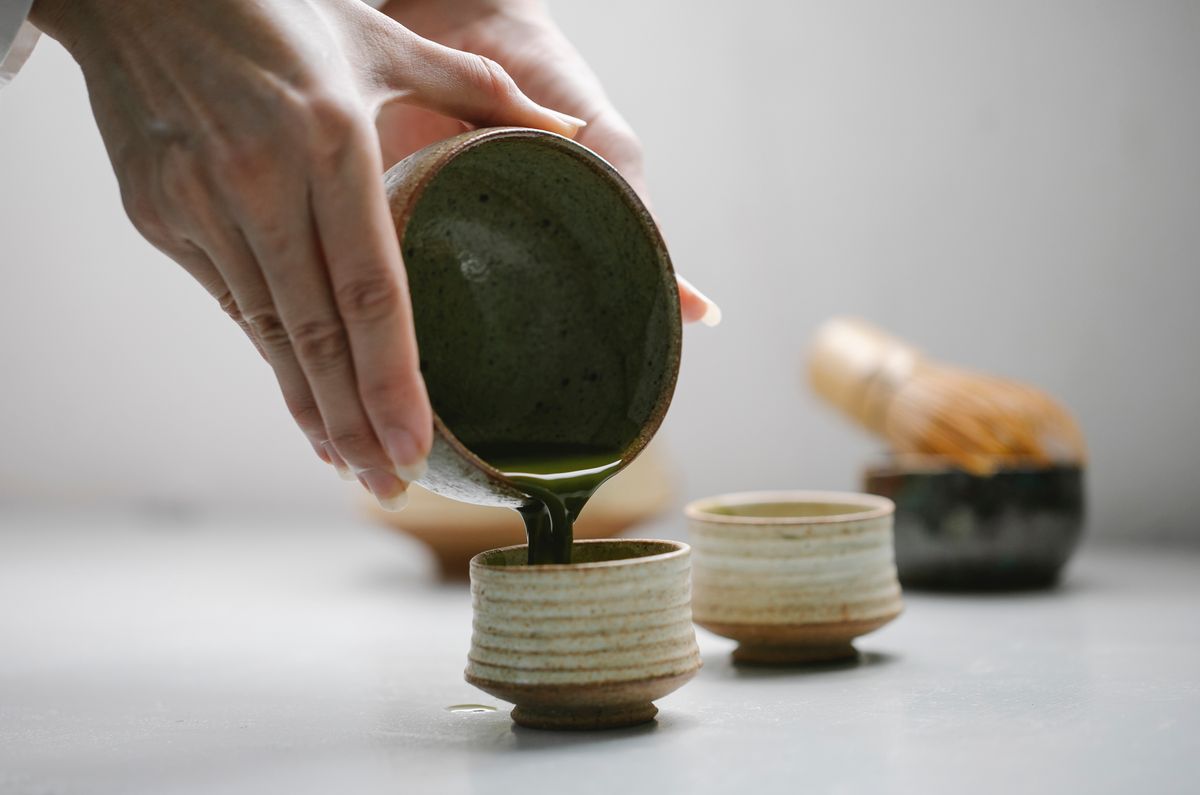
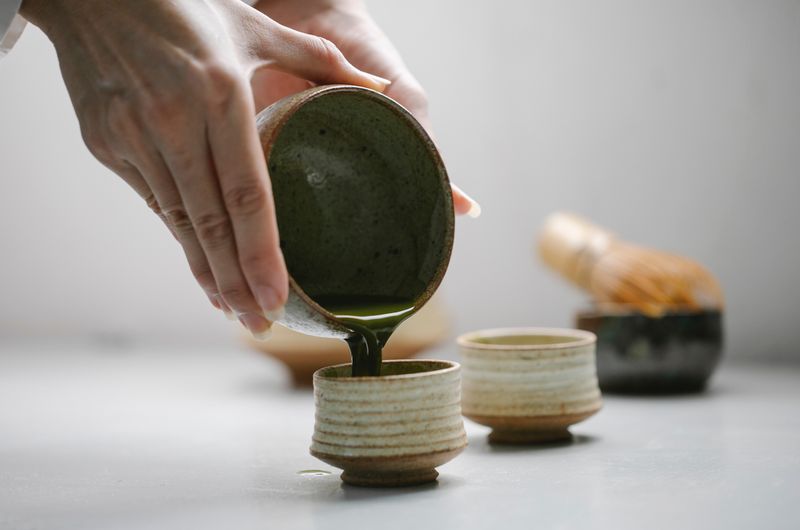
Green tea (ocha) defines Shizuoka's food identity. The prefecture produces approximately 40% of Japan's national harvest from the Makinohara plateau and the river valley terraces above Shizuoka City. The dominant variety is sencha — green tea steamed immediately after harvest to prevent oxidation, then rolled and dried. Shizuoka's specific terroir (well-drained volcanic soil, Pacific humidity, temperature variation between day and night) produces a sencha with a pronounced umami and slight sweetness. The deep-steamed fukamushi-cha variety, steamed twice as long as standard sencha, is a Shizuoka specialty unavailable in most of the country.
Unagi (freshwater eel) from Hamamatsu is the prefecture's other flagship food. Approximately 70% of Japan's farmed eel is raised in the Tenryu River and Lake Hamana system, where the specific water temperature and chemistry produce fish with a particular fat content ideal for the kabayaki grilling method. The preparation — butterflied, steamed to remove excess fat, then grilled over charcoal with a soy-mirin tare — has been the Hamamatsu standard since the Edo period. Hitsumabushi, the Nagoya/Shizuoka variation served in a lidded wooden tub where the eel is eaten three ways (plain, with condiments, as ochazuke with tea poured over), is available at the traditional Hamamatsu restaurants.
Hon-wasabi from the Izu highlands is categorically different from the horseradish-based paste sold as wasabi at most restaurants outside Japan. The genuine rhizome (Wasabia japonica) grows only in clean running water at 10–15°C and takes 18 months to mature. Freshly grated on a shark-skin grater it has a bright heat that clears immediately, with a complex flavour involving green herbs and a faint sweetness. Sakura ebi (cherry shrimp), harvested only in Suruga Bay, are the world's only wild cherry shrimp fishery — dried, they are used in everything from tempura to rice crackers; fresh-caught are served as kakiage (tempura fritter) at the Yui Fishing Port between Shizuoka City and Fuji.
Culture and Events
The Kurofune Festival (Black Ship Festival) in Shimoda (late May) commemorates Commodore Perry's 1854 arrival with parades, cultural exchanges, and performances — a three-day event that is the most internationally visible festival in Shizuoka Prefecture. The Gyokusenji Temple museum has permanent exhibitions on the Harris Consulate documents, the Kanagawa Convention of 1854, and the specific negotiations that ended Japan's 260-year sakoku (national isolation) policy.
Fujisan climbing season officially runs July 1 through September 10 on the Fujinomiya Trail (Shizuoka side) and Yoshida Trail (Yamanashi side). The Fujinomiya Trail is shorter and steeper than the Yoshida Trail — it starts higher (2,400m at the fifth station) and reaches the summit crater in approximately 5–6 hours. The Shizuoka-side fifth station has visitor facilities and is accessible by bus from Fujinomiya Station.
The Shizuoka Tea Festival (April, Shizuoka City) is Japan's largest tea-specific event — two days of first-flush tea tasting, tea ceremony demonstrations, and competitions among the prefecture's producers. The Nihonhira Cha Matsuri in the Nihonhira tea-growing area (April–May) is smaller and more locally oriented, with tea picking experiences in the terrace fields above the Abe River valley. Hamamatsu's International Piano Competition (held every three years, most recently 2024) brings international solo pianists to the city of Yamaha and Kawai — one of the world's most seriously regarded piano competitions.
Weekends and Escape
The Izu Peninsula is Shizuoka's primary weekend escape destination. The Izu Geopark's Pacific coast trail connects dramatic coastal cliffs, black sand beaches (the volcanic minerals), and column basalt formations at Cape Irozaki at the southern tip. The Jogasaki Coastline near Ito has a 2km clifftop walking trail above the Pacific with suspension bridge views — accessible from Ito Station in 30 minutes by bus, no car required.
Mount Fuji summit climbing (July–September via Fujinomiya Trail) starts from the fifth station at 2,400m and takes 5–6 hours to reach the summit crater at 3,776m. The Shizuoka ascent route is considered steeper and more direct than the Yoshida Trail (Yamanashi side) but has smaller crowds. Pre-booking the mountain huts is now mandatory during the high season. The descent takes 3–4 hours.
Miho no Matsubara — the UNESCO-listed pine grove on the Suruga Bay shoreline — is 20 minutes by bus from Shimizu Station (JR) and is accessible as a half-day trip from Shizuoka City. The 500-year-old black pines run along 5km of coastline with unobstructed views of Fuji across the bay. The grove is the subject of one of Japan's most famous noh plays (Hagoromo, set at this precise location) and has appeared in hundreds of woodblock prints. The adjacent Miho Museum (not to be confused with the Shiga Museum of the same name) has a small collection of prints and objects referencing the Miho site.
Three Days In Shizuoka
A simple first-trip route
Shinkansen to Shin-Fuji or Shizuoka then JR Minobu Line to Fujinomiya (about 90 minutes from Tokyo total, or take the Kodama to Shin-Fuji then bus). Fujinomiya is the closest city to Fuji's south face — the mountain fills the northern sky from the city centre. Walk to Fujisan Hongu Sengen Taisha, the anchor shrine of the Fujisan World Heritage network, whose grounds include a trout stream fed by snowmelt directly from the summit. The Shiraitonotaki (White Thread Falls) waterfall, 10 minutes by car, has horizontal curtains of spring water emerging from a cliff face — an unusual formation fed by Fuji's filtration of snowmelt.
Tokaido line to Atami (50 min from Shizuoka), then Izu Kyuko Line south. Shuzenji is the peninsula's most accessible onsen town — the Shuzenji Temple and its bamboo grove are a 10-minute walk from the station, and the wasabi farms of the Amagi highlands are 20 minutes by car. Continue south to Shimoda: the Ryosenji Kurofune Museum at Gyokusenji Temple preserves the documents from Perry's 1854 negotiations and Harris's 1856 consulate establishment. Shimoda's Shirahama Beach (white sand, Pacific surf) and the clifftop path to Susaki Peninsula are the outdoor counterpart.
Shinkansen west to Kakegawa or Hamamatsu (20–30 min from Shizuoka). The Makinohara plateau is accessible by car or taxi from Kakegawa — 2,400 hectares of tea terraces with Fuji and the Pacific as backdrop. Several farms on the Shizuoka Tea Route are open for picking and processing tours outside the main harvest season. Continue to Hamamatsu for dinner: the city's unagi restaurants serve kabayaki eel from local Hamana Lake producers — order unadon (eel bowl) or unaju (lacquerware box), ask for the local hitsumabushi preparation where available.