Japan's Most Ornate Shrine, the Sacred Bridge, and Gyoza Capital
Living in Tochigi
The prefecture that contains Nikko — Tokugawa Ieyasu's mausoleum, the most elaborately decorated building complex in Japan, a 97-metre waterfall, and a sacred vermilion bridge that has stood since 1636 — alongside the lakeside highland resort of Nasu, the viral wisteria of Ashikaga, and a city that eats more gyoza per person than anywhere else in Japan.
Why People Choose Tochigi
Tochigi offers two things that are rare in the Kanto region: proximity to world-class historical monuments within a national park setting, and a large, well-connected city (Utsunomiya) with Shinkansen access to Tokyo in 50 minutes at property prices that are genuinely competitive. The combination is unusual — most Kanto prefectures that have good Tokyo access also have high prices; Tochigi's distance from the capital (120km to Nikko) keeps the market honest.
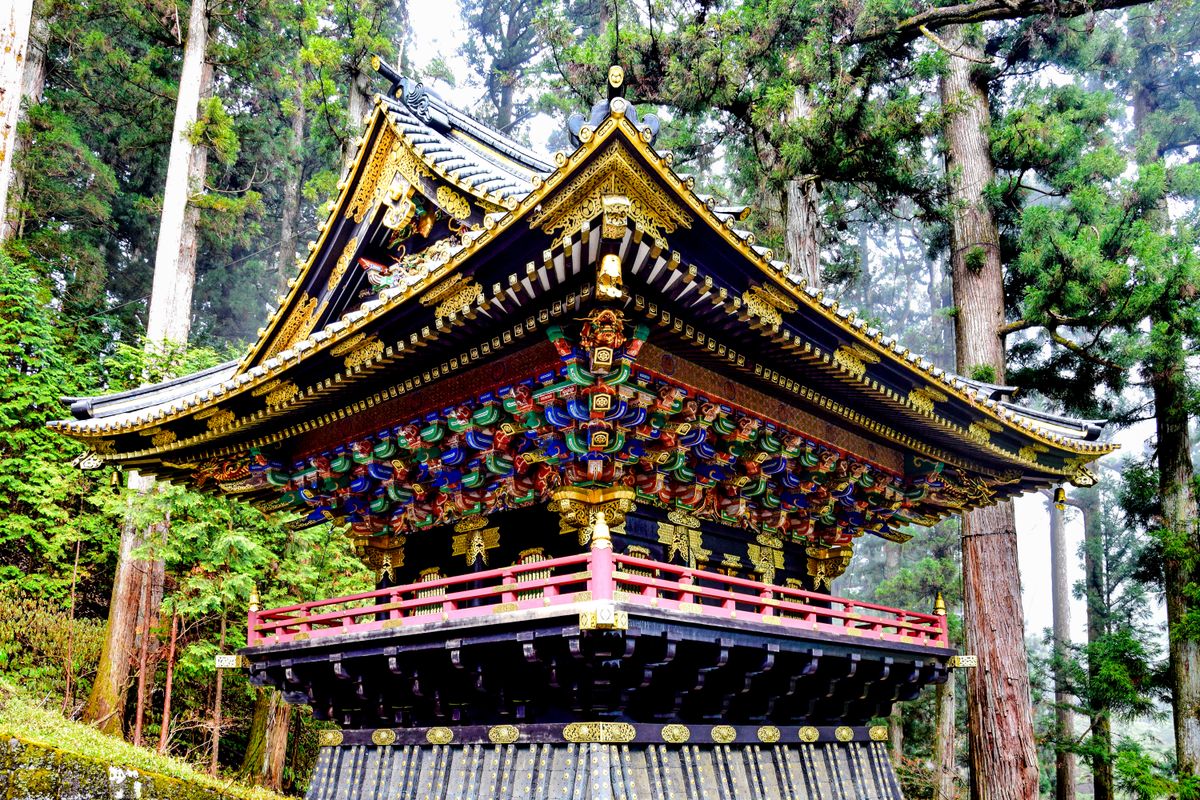
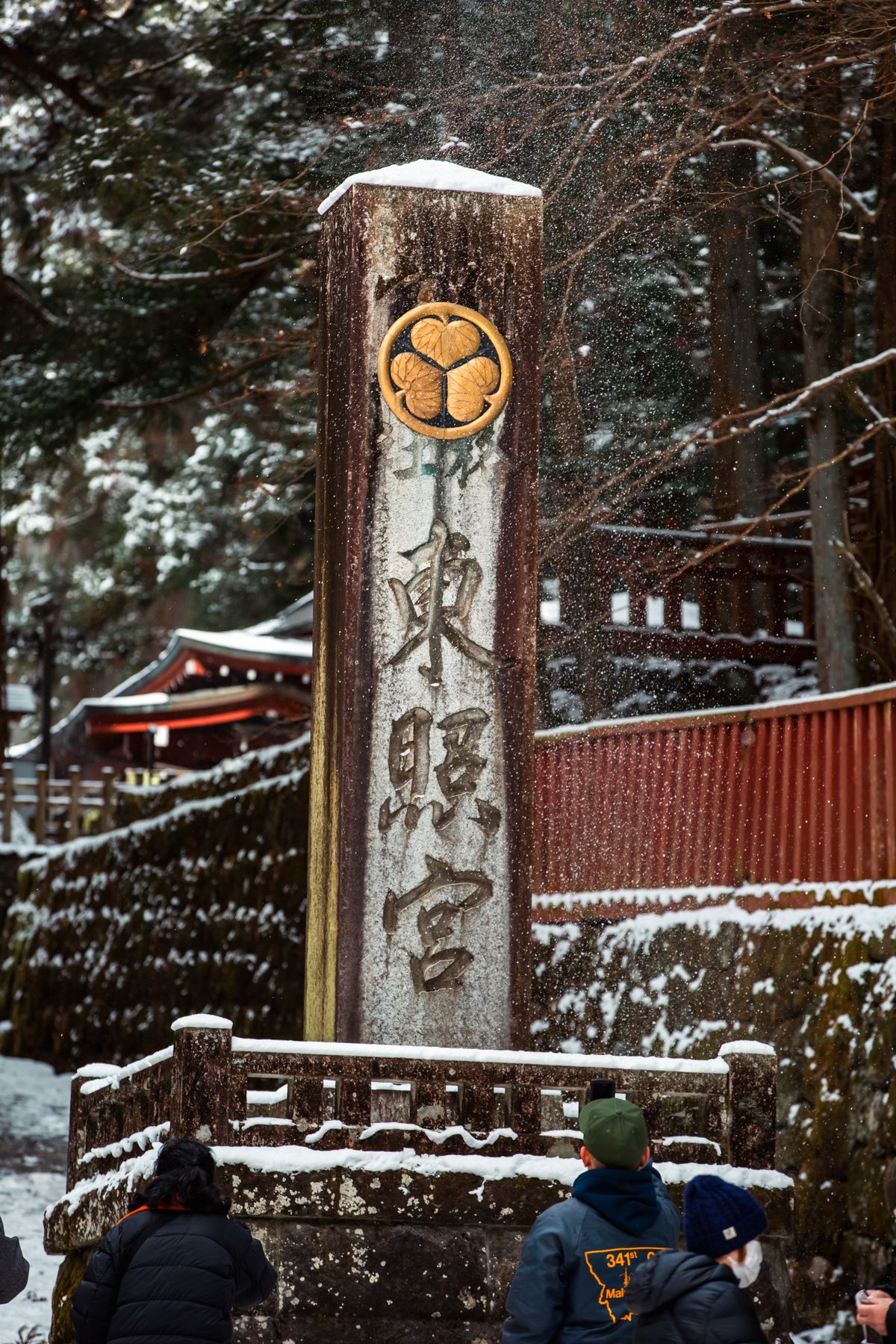
Nikko Toshogu is not a subtle place. Tokugawa Ieyasu, who died in 1616, was posthumously declared a kami (deity) and his grandson Iemitsu built him a shrine-mausoleum of such ornate complexity that it effectively converted the entire mountainside into a religious site. The Yomeimon Gate — 61 animal carvings, 508 decorative elements, lacquer and gold leaf applied by 15,000 craftsmen over two years — is the most decorated single architectural element in Japan. It anchors a UNESCO World Heritage compound that also includes 42 other structures, three Buddhist temples, and the cedar avenue approach that dates to 1618.
Beyond the shrine circuit, Tochigi has significant natural assets. The Nikko National Park covers 1,149 km² of volcanic landscape, mountain lakes, and forest extending into Fukushima and Gunma. Kegon Falls at 97 metres is one of Japan's three great waterfalls, and the Nasu Highlands to the north is a well-developed resort area with a range of year-round outdoor activities and direct Shinkansen access at Nasu-Shiobara station.
Utsunomiya (population 510,000) is a large, well-serviced city with good infrastructure, a lively food culture anchored by its gyoza identity, and direct Shinkansen access to Tokyo in 50 minutes. Nikko town (population 80,000) is smaller and quieter — a heritage town surrounded by national park that caters heavily to tourism but has a real residential community. Nasu is primarily a resort and retirement area; Ashikaga and Tochigi City have market-town character with craft and food traditions.
Tohoku Shinkansen: Utsunomiya to Tokyo in 50 minutes. Tobu Nikko Line: Tokyo Asakusa to Nikko in 2 hours (limited express). JR Nikko Line: Utsunomiya to Nikko in 45 minutes. Nasu is 20 minutes by bus from Nasu-Shiobara Shinkansen station. Ashikaga is on the Ryomo Line from Utsunomiya. A car is very useful in the Nikko mountain area and Nasu Highlands.
Utsunomiya flats and houses ¥5M–¥18M; Nikko town ¥3M–¥12M; Nasu Highland resort properties ¥3M–¥15M (wide range from cabins to large lodges); Ashikaga and Tochigi City ¥2M–¥10M. Rural northern Tochigi (Nasu-Shiobara, Oya area) from ¥500K with renovation. Prices run 40–50% below equivalent Tokyo-commute time properties in the capital.
The urban hub: Shinkansen access, full city infrastructure, Japan's gyoza capital by reputation and consumption. Practical base for the whole prefecture with a strong food and nightlife culture around the station area.
The heritage town: Toshogu Shrine, Shinkyo Bridge, Kegon Falls, Chuzenji Lake, and Yumoto Onsen above. Living in Nikko means daily proximity to a UNESCO World Heritage site within a national park.
Mountain resort and retirement area: multiple onsen, forest hiking, ski slopes, and the Imperial Villa. Popular with Tokyo retirees and second-home buyers; varied property stock from lodges to renovable farmhouses.
Historic market towns: Ashikaga Flower Park (viral wisteria), Tochigi City's canal and kura warehouse district. Lower prices, stronger local identity, good access on the Ryomo line.
Where To Start
Four ways to start in Tochigi
<a href="https://www.toshogu.jp/english/" target="_blank" rel="noopener" class="text-blue-600 dark:text-blue-400 hover:underline">Toshogu Shrine</a> opens at 8am (9am November–March) and the first hour before tour groups arrive is the best time to see the Yomeimon Gate clearly. Walk the cedar avenue from the Omotesando approach — 200-year-old Japanese cedar trees, 35 metres tall — then work through the gate sequence to the inner shrine and Ieyasu's mausoleum. Look for the inverted column on the Yomeimon: left side, third from the right, the carved pattern runs the wrong way up — deliberately wrong to avoid the perfection that would attract divine retribution.
The Irohazaka mountain road (48 hairpin bends, named after the Japanese syllabary) ascends 400 metres from Nikko town to Lake Chuzenji — the caldera lake that feeds Kegon Falls. The elevator at the falls base (¥570) descends to an observation deck where the 97-metre drop hits the plunge pool with permanent mist. In autumn the Irohazaka forest turns orange and yellow and is among the most dramatic autumn foliage drives in the Kanto region.
The gyoza rivalry between Utsunomiya and Hamamatsu for national consumption title is genuine and enthusiastically maintained. Utsunomiya gyoza are typically thinner-skinned than Osaka-style, with a filling weighted toward cabbage and pork, and are pan-fried or steamed depending on the shop. The <a href="https://www.utsunomiya-cvb.org/en/" target="_blank" rel="noopener" class="text-blue-600 dark:text-blue-400 hover:underline">Utsunomiya gyoza street</a> near the Kennan area has a cluster of specialist shops; Minmin is the most established (est. 1952), but the smaller family operations nearby are equally worth trying.
The <a href="https://www.ashikaga.co.jp/english/index.html" target="_blank" rel="noopener" class="text-blue-600 dark:text-blue-400 hover:underline">Ashikaga Flower Park</a>'s main attraction is a 150-year-old wisteria tree with a canopy spread of 1,990 square metres — the photograph that went globally viral in 2014 showing a purple tunnel overhead. Late April to early May is peak; the park also runs light-up evenings. Timed entry tickets sell out weeks in advance in peak season; book online.
Daily Life in Tochigi
Utsunomiya (population 510,000) is a Shinkansen city with the full urban infrastructure that implies — large hospitals, universities, shopping malls, and a food and nightlife culture that has developed around the gyoza identity but extends well beyond it. The city is practical and liveable rather than scenic, though the Oya stone quarry district has unusual character. Shinkansen riders to Tokyo get to the capital in 50 minutes at off-peak times; the city functions as a genuine counterpart to Tokyo rather than a suburb of it.
Nikko town (population 80,000) is a different proposition: a heritage town surrounded by national park, where the tourist circuit and daily residential life overlap. Nikko residents live alongside a continuous stream of visitors, which brings local economic activity but also some degree of seasonal intensity. Outside the shrine zone, the town has a clear local life — sake brewing, woodcraft traditions, and an onsen culture at Yumoto and Kinugawa that serves both tourists and residents.
Nasu Highlands (the plateau area above Nasu-Shiobara) is one of Japan's best-developed resort zones — the Imperial Family uses the Nasu Imperial Villa for summer residence, which has brought sustained investment and a concentration of quality ryokan, hiking infrastructure, and resort facilities. Property in Nasu ranges from affordable log-cabin-style structures to high-end resort villas; it is primarily a second-home and retirement market rather than a commuter one.
Food and Drink
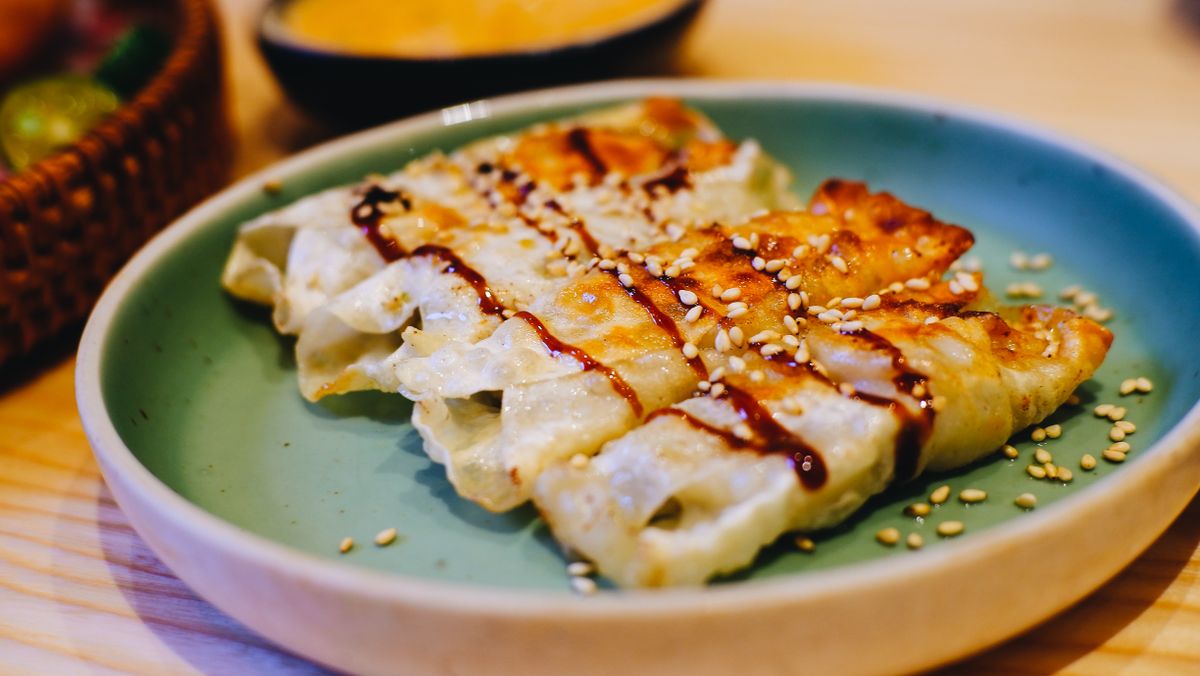
Utsunomiya gyoza is not a casual claim — the city has tracked per-capita gyoza expenditure since the 1990s and competes annually with Hamamatsu (Shizuoka) for the national title. The local style is thinner-skinned than standard Chinese-origin gyoza, pan-fried to a crisp bottom with a tender top, and typically served without garnish other than rice vinegar and chilli oil. Minmin (est. 1952) is the originator of the modern Utsunomiya style; the cluster of competitors that grew up around its original shop near the station has now expanded city-wide.
Tochigi strawberries (tochiotome variety) are the prefecture's agricultural landmark — Tochigi is Japan's top strawberry-producing prefecture, a position it has held since 1968. The tochiotome (developed 1996) is large, sweet, and conical, and appears in premium supermarkets across Japan at prices that reflect its origin branding. Strawberry picking at farms near Utsunomiya and Tochigi City operates from December to May.
The Nikko sake district has several breweries operating in the mountain water that flows off the Nikko massif — pure, cold, and ideal for fermentation. Toichi Brewery in Nikko and several others in the Tochigi City sake district produce junmai and daiginjo with the clean mountain water character. Yuba (tofu skin) is the other Nikko culinary specialty — sold fresh from small shops near the shrine approach, eaten plain or in hot soup.
Culture and Heritage
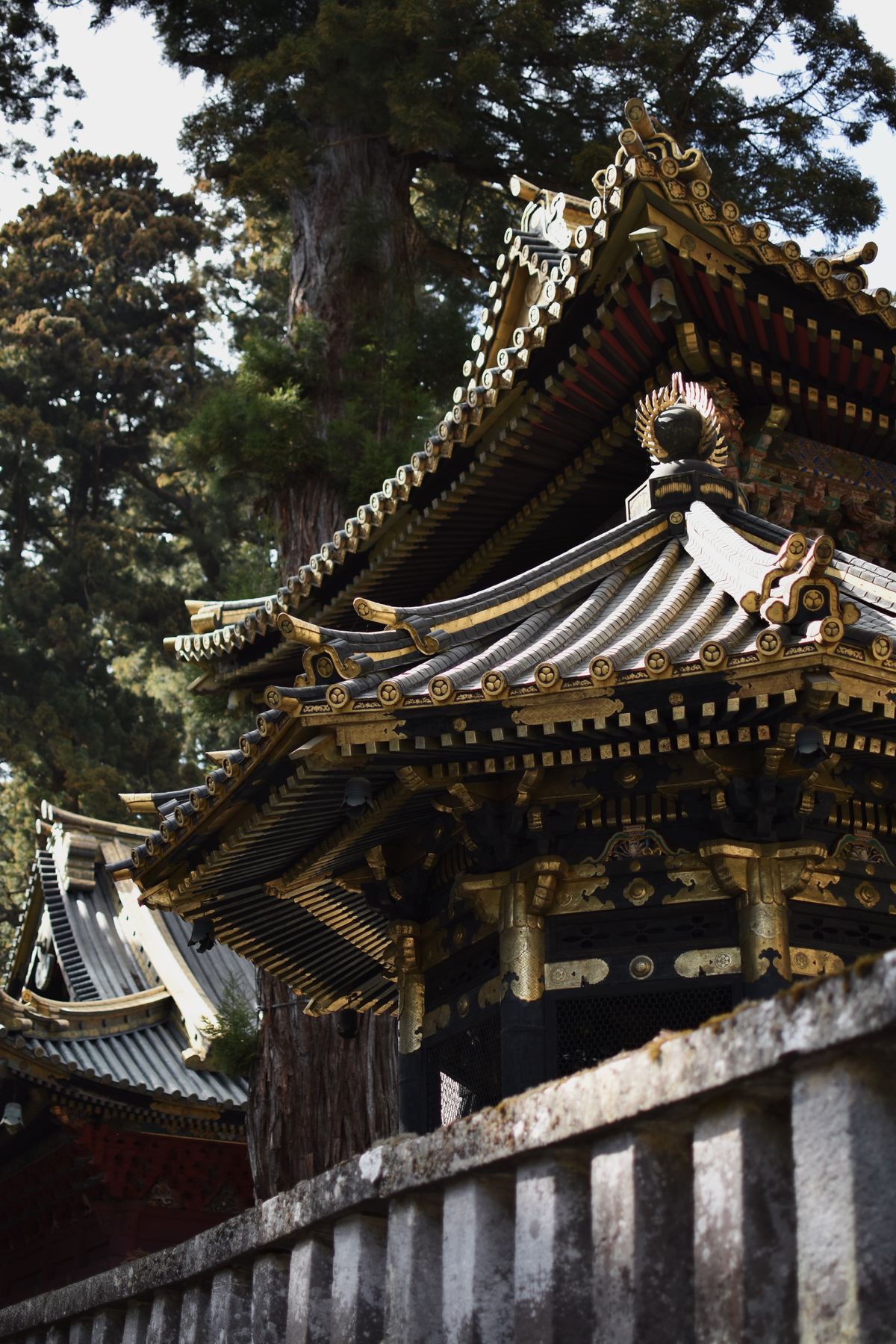
The Nikko UNESCO World Heritage Site encompasses 103 buildings and structures across two Shinto shrines (Toshogu and Futarasan) and one Buddhist temple (Rinnoji). The complex was built by the third Tokugawa shogun Iemitsu between 1634 and 1636 as a mausoleum for his grandfather Ieyasu, using the full economic and artistic resources of the early Edo period. The Yomeimon Gate — nicknamed "Higurashi-mon" (sunset gate) because visitors would spend an entire day looking at it — is the most photographed single building element in Tochigi.
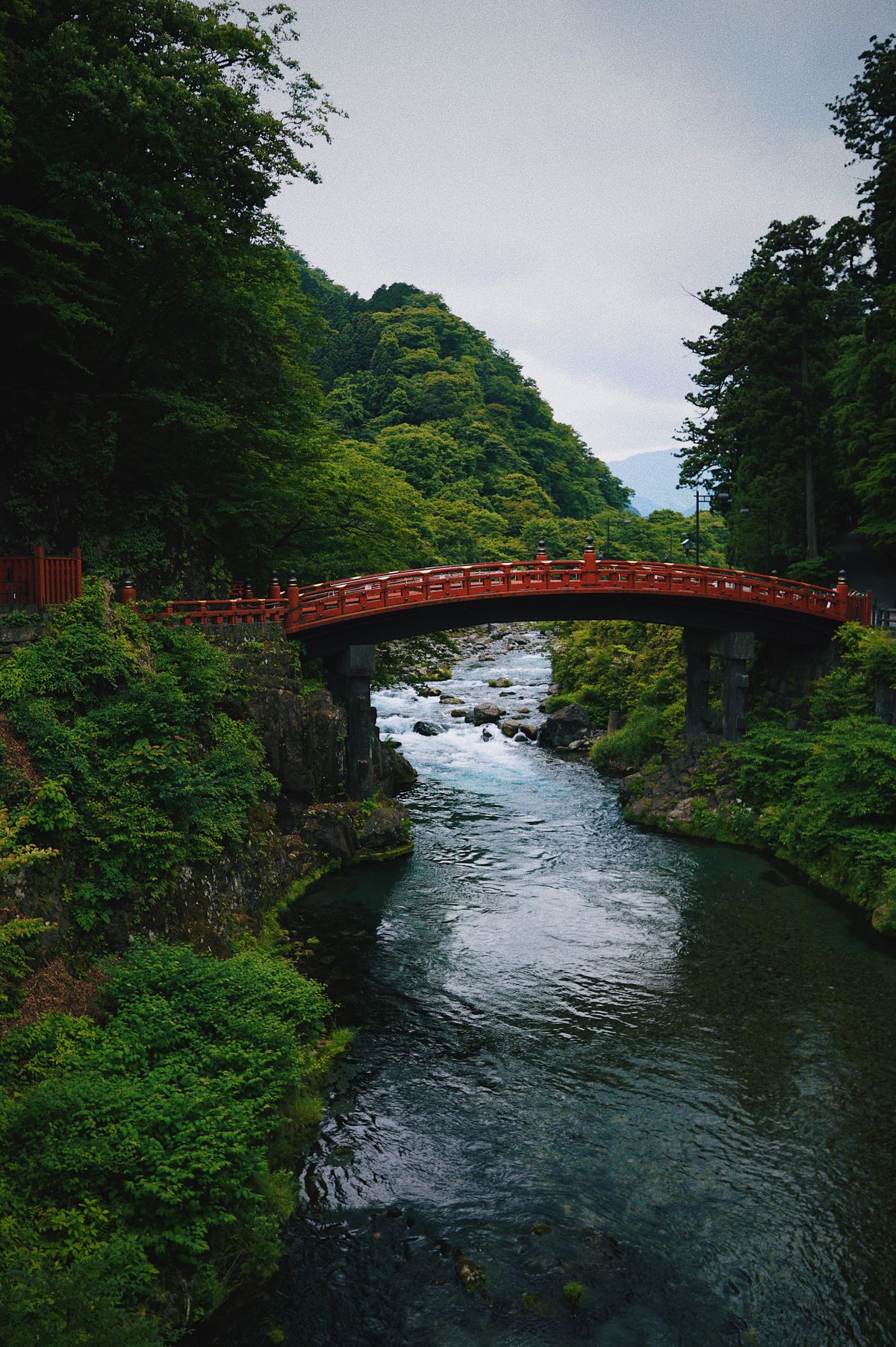
The Shinkyo (Sacred Bridge), rebuilt in 1636 across the Daiya River at the entrance to the Nikko shrine area, is one of Japan's three most beautiful bridges — a vermilion lacquered structure on stone abutments that curves over the river at a point where, according to legend, the Buddhist missionary Shodo Shonin crossed on the backs of two giant serpents in 766 AD. The bridge is used for processions during the Toshogu Grand Festival (May and October) and for New Year ceremonies.
Ashikaga Gakko — Japan's oldest school, established in the late Heian period (c. 1150s) — is in Ashikaga City and is still standing, preserved as a historical site with Confucian temple and garden. The same city has the Flower Park with its 150-year-old wisteria tree. Tochigi City has a canal-side kura warehouse district that once served as a commercial hub for the Kanto region.
Theme Parks

Nikko Edo Wonderland (日光江戸村) is one of Japan's most committed historical theme parks — and it is nothing like what that phrase usually brings to mind. Located in Nikko city and reachable by bus in about 20 minutes from Nikko Station, it recreates a working Edo-period town across 23 hectares of hillside terrain. The streets are divided into distinct districts: a merchant quarter, a samurai residential area, and a shukuba post town — the kind of waystation travellers would have stopped at on the old Tokaido Road. Actors in period costume inhabit the entire park rather than performing on a stage and then retreating backstage; the effect is of walking through a living history set rather than an amusement park.
The entertainment runs across 22 performance stages throughout the day. Samurai shows demonstrate sword technique with genuine period choreography. Ninja training sessions include shuriken throwing and ninjutsu demonstrations where visitors can participate. Geisha performances cover traditional dance, shamisen, and tea ceremony. Traditional craft workshops run alongside these — visitors can try their hand at origami, spinning tops, and dyeing fabric with natural pigments. The park pitches itself explicitly at travellers interested in Japanese history and culture rather than at families seeking roller coasters, and it delivers on that proposition with more depth than most.
In the northern part of the prefecture, around the highland resort area of Nasu, Nasu Highland Park offers a different experience entirely: conventional amusement park rides, roller coasters, and family attractions set against the volcanic landscape of the Nasu mountain range. The Nasu area itself — famous for its onsen, cattle farming, and weekend cottage culture — is a popular escape for Tokyo families, and Nasu Highland Park fits naturally into that pattern. It is the kind of place where a morning at the park runs into an afternoon at a highland onsen before the drive back down the mountain.
Weekends and the Outdoors
Nikko National Park (1,149 km²) covers the entire mountain area above Nikko town, extending into Gunma and Fukushima. The main walking routes are on the Senjogahara plateau (3-hour circuit through volcanic wetland with boardwalks), around Lake Chuzenji, and on the Nantai volcano above the lake. The Yumoto Onsen at the far end of the plateau has natural outdoor baths and provides the base for overnight hiking in the upper park.
Nasu Highlands is the most developed mountain resort area in the Kanto region — 12 ski slopes, 30+ onsen, hiking trails on Chausudake volcano (1,915m), and the Nasu animal kingdom and multiple outdoor adventure parks. The Imperial Villa restricts public access to the immediate grounds but the surrounding estate land forms part of the resort area's hiking network.
Oya Stone Museum (Utsunomiya) is one of the more unusual industrial heritage sites in the Kanto region: a former quarry for the distinctive green volcanic tuff (Oya-ishi) used in Nikko's shrine buildings, now converted into an underground museum with cathedral-scale chambers carved 30 metres below ground. The cave maintains a constant 8°C year-round and has been used for art installations, concerts, and film sets. Above ground, an outdoor rock-climbing area uses the quarry walls.