Mount Fuji North Face, Japan's Wine Country, and the Most Reproduced Photograph in the World
Living in Yamanashi
A landlocked prefecture that contains the most photographed mountain on earth, Japan's oldest wine-producing region, natural spring pools fed by snowmelt, and some of the most scenically dramatic lake-resort towns in the country — at property prices that reflect how often it is overlooked.
Why People Choose Yamanashi
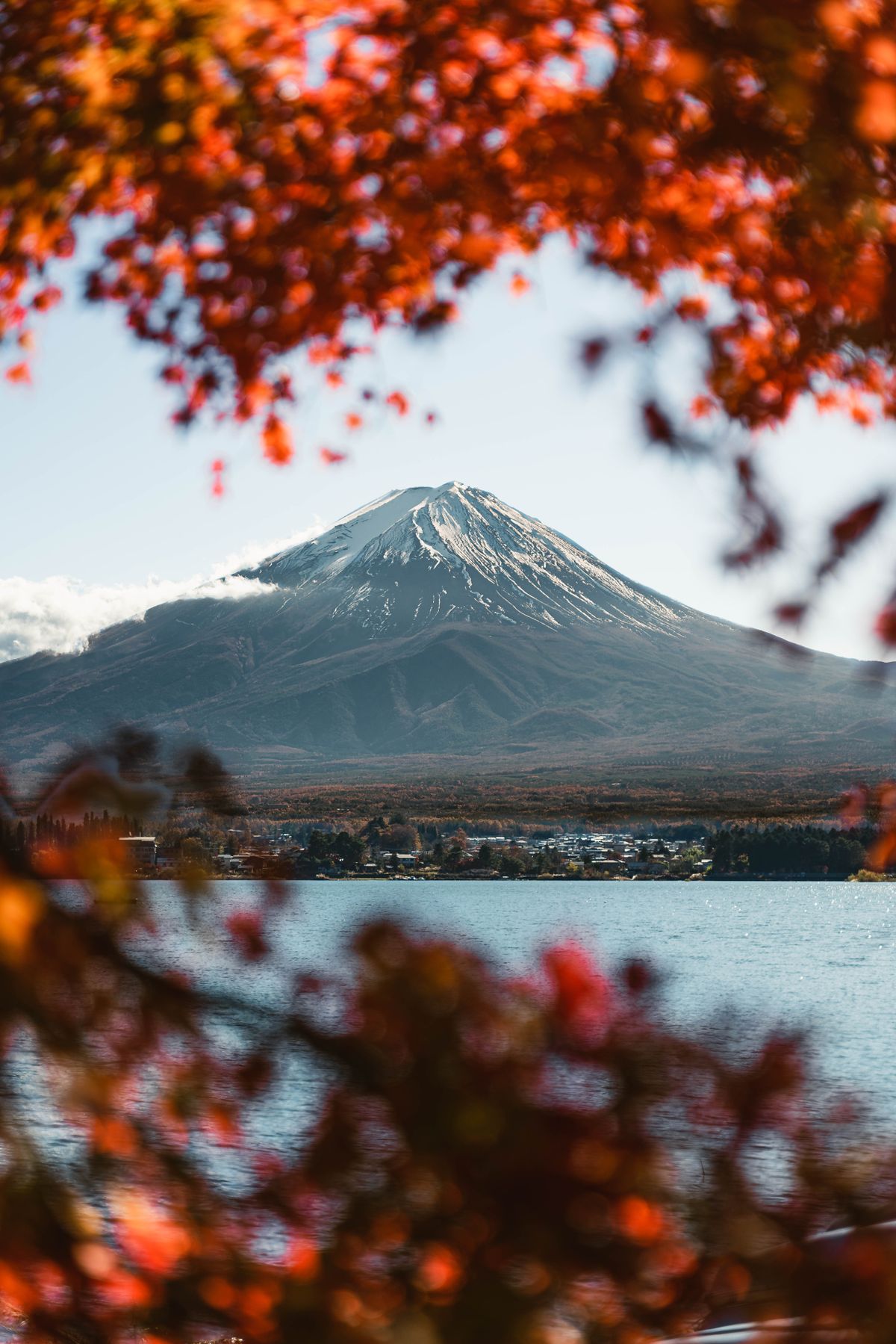
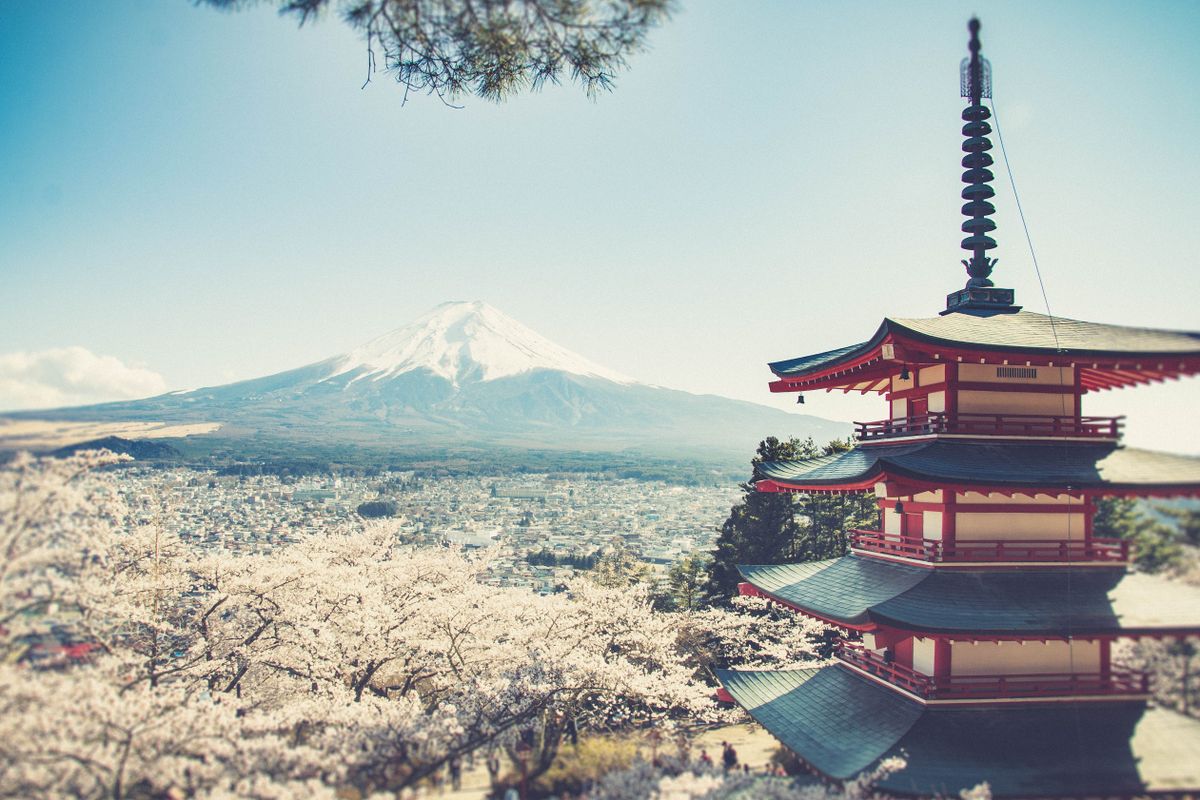
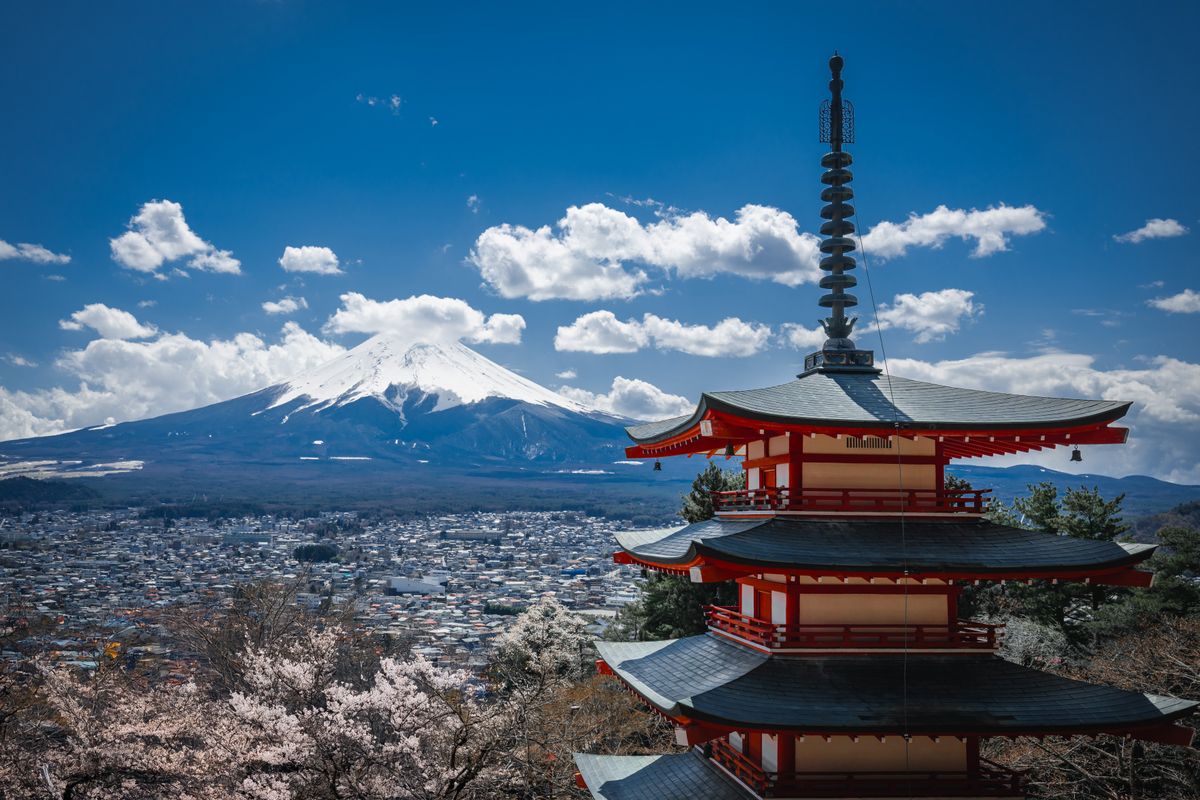
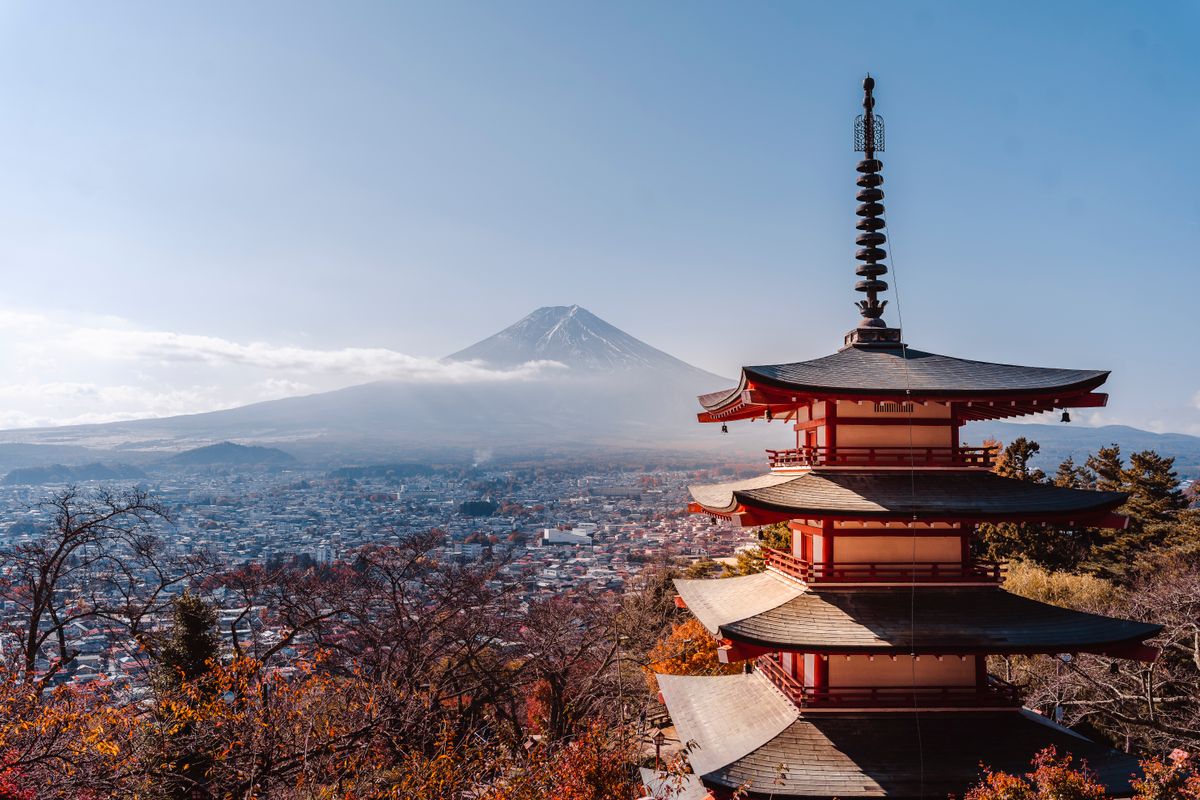
The honest answer is scenery. Yamanashi sits on the north face of Mount Fuji and contains the two most photographed Fuji viewpoints on earth: Lake Kawaguchiko with the mountain reflecting in still water between October and December, and the Chureito Pagoda at Arakurayama Sengen Park, from which the five-storey vermilion pagoda frames Fuji above a valley of cherry blossoms in April. No other prefecture produces images of Japan this recognisable, and that visibility drives a mature tourism infrastructure — ryokan, wine estates, glass-bottom boats, autumn foliage tours — that makes daily life here more comfortable than in rural prefectures with comparable scenic quality.
The practical case for buyers: Yamanashi is 90 minutes from Shinjuku on the Chuo Limited Express, making commuting or a Tokyo-satellite lifestyle viable. Property prices, while not as low as truly rural prefectures, reflect Yamanashi's persistent underestimation as a residential choice — most property searches in the Mt Fuji area default to Shizuoka (south face), ignoring the north face entirely. Yamanashi Tourism describes a prefecture visitors photograph but rarely consider inhabiting — which creates the gap between the quality of the landscape and the price of property in it.
Wine is the other reason. The Koshu Valley east of Kofu is home to 80+ wineries growing the indigenous Koshu grape, which produces a mineral, lightly aromatic white wine first planted here in 1186. The wine route is walkable in its core section, harvest season in September is genuinely festive, and the estates range from international-scale operations (Château Mercian hosts 100,000+ visitors annually) to tiny family producers barely visible from the main road.
Kofu (the prefectural capital, population 190,000) is a mid-sized city with full services, direct trains to Shinjuku in 90 minutes, and a functioning local economy built around wine tourism and agricultural processing. Fujikawaguchiko (population 27,000) is the primary resort town — smaller, more defined by the Fuji Five Lakes and tourism calendar, with ryokan, wine-tasting rooms, and lakeside cafes that get very busy on weekends from October to May. Rural areas around Koshu and Enzan are quieter, with an older agricultural character and the most interesting wine estate architecture.
Chuo Line Limited Express: Shinjuku to Kofu in 90 minutes. Fujikawaguchiko is accessible from Otsuki by the Fujikyu Railway (45 minutes from Kofu). A car is strongly recommended outside Kofu and Fujikawaguchiko — distances between wine estates, spring pools, and trailheads are not walkable. The Chuo Expressway connects Kofu to Tokyo in about 90 minutes by car without traffic.
Kofu city properties ¥5M–¥15M; Fujikawaguchiko resort townhouses ¥8M–¥25M; rural wine-country properties (Koshu, Enzan, Nirasaki) ¥1M–¥8M with renovation investment required. Mountain-view properties with confirmed Fuji sightlines command a premium. Yamanashi prices are consistently lower than comparable resort areas in Nagano despite similar scenic quality.
The resort anchor: north shore of Lake Kawaguchiko, Chureito Pagoda access, the Fuji Five Lakes circuit, ryokan concentrations, and the autumn-foliage and cherry-blossom seasons that drive peak tourism. Most photographed base in the prefecture.
The urban centre: prefectural capital with direct Tokyo rail access, wine-country gateway, Takeda Shingen history, and the full infrastructure of a medium Japanese city. The best base for a practical daily life with Fuji access.
Wine country: 40+ wineries along the Katsunuma Wine Road, Koshu grape vineyards, harvest season in September-October. More agricultural, quieter, best value for buyers wanting wine-estate proximity.
The second large lake — less visited than Kawaguchiko, with a southern Fuji view across the water, cycling paths, and cheaper property than the more tourist-heavy north face resort towns.
Where To Start
Four ways to start in Yamanashi
The 398 steps from Arakurayama Sengen Park to the pagoda viewing platform take about 20 minutes. In cherry-blossom season (late March to early April) or autumn foliage (mid-October to mid-November), the view of the five-storey vermilion pagoda with snow-capped Fuji and flowering trees across the valley is transcendent — and also shared with several hundred photographers by 9am. Come before sunrise and descend for breakfast in Fujiyoshida town below.
The winery district east of Kofu concentrates more than 40 estates along a valley road walkable between stops. <a href="https://www.grace-wine.com/en/" target="_blank" rel="noopener" class="text-blue-600 dark:text-blue-400 hover:underline">Château Mercian</a> and <a href="https://www.grace-wine.com/en/" target="_blank" rel="noopener" class="text-blue-600 dark:text-blue-400 hover:underline">Grace Wine</a> both have English-language tasting rooms with views across the Koshu Valley. September harvest season brings grape-picking experiences — reserve ahead as they sell out weeks in advance.
The eight spring pools at Oshino — each named, each with a different depth and character — are fed by Fuji snowmelt that has spent 80 years filtering through the mountain's lava-rock base. The water temperature holds at 11–13°C year-round. Come early before tour buses arrive (after 10am), and find the Kagami-ike (Mirror Pond) with Mount Fuji reflecting behind it on calm days. <a href="https://www.oshino-hakkai.jp/" target="_blank" rel="noopener" class="text-blue-600 dark:text-blue-400 hover:underline">Oshino Hakkai official site</a>.
Shingen Mochi — soft rice mochi dusted with kinako (roasted soybean powder) and served with kuromitsu (black sugar syrup) in a small box — was created by Kinseiken Seika and named after the fearsome warlord Shingen Takeda, who is said to have sustained his cavalry on soybean preparations. <a href="https://www.kinseiken.co.jp/" target="_blank" rel="noopener" class="text-blue-600 dark:text-blue-400 hover:underline">Kinseiken's flagship shop</a> is in Kofu. The mochi is meant to be assembled and eaten immediately — the powder and syrup are separate for transport.
Daily Life in Yamanashi
Kofu, the prefectural capital, operates as a functional medium-sized Japanese city: adequate hospitals, a university, commercial shopping along the main artery, and a local economy sustained by wine tourism, fruit agriculture (peaches and grapes are the primary cash crops), and government services. The Chuo Line makes Tokyo genuinely accessible — 90 minutes to Shinjuku — which means Kofu residents can function professionally in Tokyo while living in a prefecture with abundant outdoor access. This dual-residency model is increasingly common among buyers who want space, nature, and affordability without severing urban ties entirely.
Fujikawaguchiko is different in character: a resort town whose population of 27,000 swells significantly on autumn and spring weekends when the tourism circuit activates. Life here is more seasonal and hospitality-oriented. Lakeside restaurants, souvenir lanes, and the steady rhythm of tour buses passing the photographic landmarks define the daily landscape from October through May. In summer and deep winter it quiets considerably — which can be either the selling point or the drawback depending on what a buyer is looking for.
Rural Yamanashi — the Koshu wine valley, the agricultural towns around Nirasaki and Hokuto, the mountainous areas approaching Chichibu and the Southern Alps — operates at a slower tempo, with an older population, lower property prices, and the kind of seasonal agricultural calendar (peach blossom in April, grape harvest in September, apple and pear in October) that defines life in Japan's mountain basins.
Food and Drink
Yoshida udon is the prefecture's most distinctive everyday food. Thicker and firmer than standard udon — reportedly because the wives of weavers in Fujiyoshida used the same muscle motion to knead both silk and dough — it is served with shredded raw or parboiled cabbage and dried mackerel flakes in a soy-based broth. The texture is close to al dente pasta rather than the soft, yielding udon of Kagawa. Over 60 registered Yoshida udon shops operate in Fujiyoshida alone, most of them small family establishments open for lunch only.
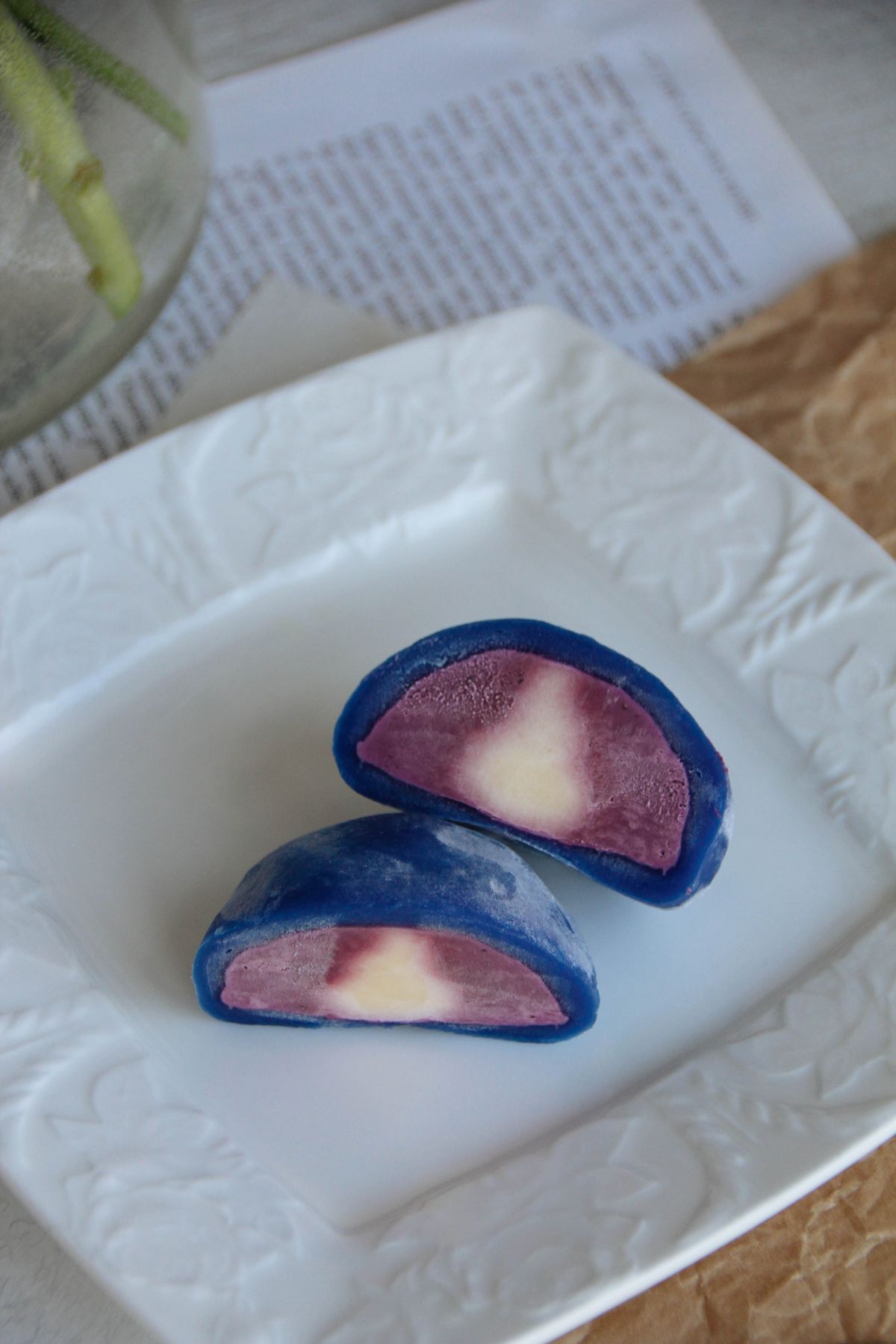
Shingen Mochi — soft rice mochi with kinako (roasted soybean powder) and kuromitsu (black sugar syrup) — was created by Kinseiken Seika and named after Shingen Takeda, the 16th-century warlord whose cavalry reputedly sustained themselves on soybean preparations during campaigns. It became famous across Japan partly through the "Shingen Mochi Championship" — an eating contest where participants receive their own bag of powder and syrup and must eat it without spilling. Its fame spread through viral media and it remains Yamanashi's best-known souvenir.
Koshu wine is the prefecture's most internationally recognised product. The Koshu grape — a pink-skinned variety thought to have arrived from Central Asia via the Silk Road in the 8th century and documented in Katsunuma since 1186 — produces a delicate, low-alcohol white wine with citrus and mineral notes. It pairs particularly well with Japanese cuisine and has gained recognition at international competitions since the 2010s. Château Mercian and Grace Wine are the two estates with the most accessible tasting rooms for first-time visitors.
Culture and Events
The Yoshida Fire Festival (Yoshida no Himatsuri) on 26–27 August is the largest fire festival in Japan and one of the most dramatic events in the Fuji region. On the first evening, a 3-metre tall torch is lit at the base of the Fuji climbing road, followed by 70+ neighbourhood bonfires blazing simultaneously along the main street of Fujiyoshida. The festival marks the closing of the Fuji climbing season and is connected to the belief that Fuji becomes dangerous after the sacred summer period ends. Fujiyoshida Tourism has the current festival schedule.
Shingen Takeda dominates the cultural calendar: the Shingen-ko Festival in April commemorates Takeda's birthday with a parade of warriors in full Sengoku-period armour through Kofu city. Participants number in the thousands and the route passes Takeda Shrine, where Shingen is enshrined. The armour replicas are historically accurate, and the event attracts serious military-history enthusiasts from across Japan.
The Fuji Five Lakes (Kawaguchiko, Yamanakako, Saiko, Shojiko, Motosuko) each have their own seasonal event calendar. Fuji Five Lakes Tourism coordinates illumination events, summer fireworks over the lakes, and the Fuji-Q Highland roller-coaster park (which holds multiple world records for ride intensity) at the Kawaguchiko end of the circuit.
Theme Parks
Fuji-Q Highland sits at the base of Mount Fuji in Fujiyoshida city, and it has an answer to every other theme park's boast: world records. Fujiyama, the park's signature steel coaster, held the world record for height when it opened in 1996 and remains the dominant feature of the skyline — riders at the top have an unobstructed view of Fuji that genuinely stops the breath, assuming any breath remains after the drop. Dodonpa held the world record for acceleration on launch. Takabisha holds the world record for steepest drop at 121 degrees — technically past vertical. Eejanaika set a world record for the most inversions on a fourth-dimension coaster. Fuji-Q collects records the way other parks collect mascots.
Getting here is part of the experience. From Shinjuku Station, the Fuji Excursion limited express takes 100 minutes and deposits you in Fujiyoshida with Fuji dominating the view from the platform. Alternatively, take the Chuo Line to Otsuki and transfer onto the Fujikyu Railway — slower but scenic, running along the base of the mountain. The park is also accessible by highway bus from Shinjuku's Busta bus terminal, which is often cheaper and just as fast. From central Yamanashi, the drive is under 30 minutes.
Beyond the extreme coasters, the park holds Thomas Land — a full Thomas the Tank Engine themed section aimed at younger visitors — and a cluster of Evangelion and anime-themed attractions that pull a specific and intensely enthusiastic audience. Fuji-Q also runs seasonal horror events in autumn that have developed a cult reputation in Japan. The park is a day trip from Tokyo, but if you are based in Yamanashi you have it closer than any Tokyoite — and the view of Fuji from the coaster tops is something no simulator can replicate.
Weekends and the Outdoors
Yamanashi is a primary outdoor prefecture. Mount Fuji itself (3,776m) is the obvious centrepiece: the Yoshida Trail from the 5th Station is the most popular of the four routes, with a hut-stay option available at the 8th Station for summit attempts. The official climbing season is July and August; outside this period, the mountain is open to experienced parties only. The 5th Station viewpoint is accessible year-round by bus and offers the Fuji panorama without the summit climb.
The Southern Alps — Minami Alps — form the western boundary of the prefecture, with peaks above 3,000m accessible from Hirogawara and Kitazawa Pass trailheads. Mount Kitadake (3,193m, Japan's second-highest) and Mount Akaishi (3,120m) are serious multi-day alpine routes, requiring mountain hut accommodation and route-planning experience. Closer to Kofu, Yatsugatake on the Nagano border offers more accessible half-day and full-day hikes at 2,000–2,500m elevation.
Oshino Hakkai is Yamanashi's most unusual day trip: eight spring pools where water from Fuji snowmelt emerges after filtering through decades of volcanic rock, at a constant temperature of 11–13°C. The pools are crystal clear with visible trout and Fuji reflected above on calm mornings. The site is a UNESCO World Heritage component (as part of the Fuji cultural landscape) and is busiest from 10am; arriving before 9am allows the pools largely to yourself.
Three Days In Yamanashi
A simple first-trip route
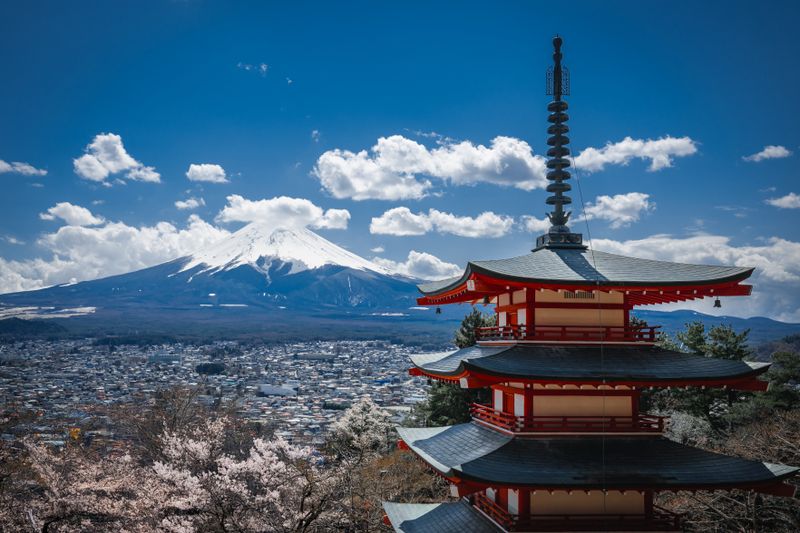
Take the Chuo Limited Express to Otsuki, transfer to Fujikyu Railway to Fujiyoshida. Walk up to Chureito Pagoda (398 steps, 20 minutes) for the morning view of Fuji above the valley. Descend for lunch in Fujiyoshida's Honcho street — the city's preserved udon district, home to Yoshida udon (thick, firm noodles with cabbage and dried mackerel). Drive or bus to Kawaguchiko north shore for the classic lake-reflection photograph at golden hour. Dinner at a lakeside ryokan.
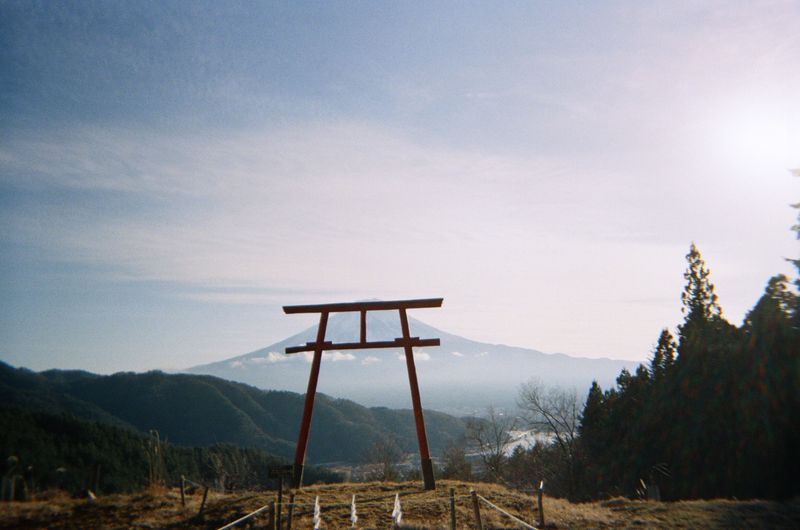
Morning: Oshino Hakkai — arrive before 9am for the spring pools before tour groups. The short circuit of all eight pools with Fuji behind takes about 45 minutes at a relaxed pace. Afternoon: drive east through the Sakaigawa Valley to the Katsunuma wine district. Stop at Château Mercian for a tasting flight of Koshu white wines; walk between two or three smaller estates on the road above. The best Koshu is a delicate, mineral white — very different from French varietals, best understood alongside the local cuisine.
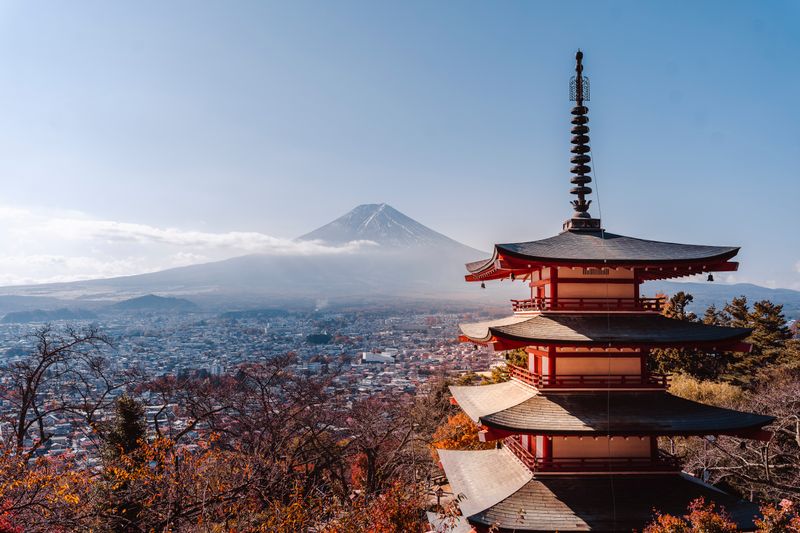
Kofu is 35 minutes from Fujikawaguchiko by bus or car. Maizuru Castle Park contains the remaining stone walls of the castle of the Takeda clan — the site offers some of the best Fuji views in the city, framed by cherry trees in season. Takeda Shrine (20 min walk) is dedicated to Shingen Takeda and has a strong martial heritage atmosphere. End at Kinseiken Seika's flagship shop for the original Shingen Mochi — served with kinako powder and black sugar syrup in a small wooden-handled box. Return from Kofu to Shinjuku in 90 minutes.