Japan's real estate market operates on a set of unwritten rules that can bewilder even seasoned international property buyers. The agent sitting across from you isn't just a salesperson — they're a gatekeeper, a cultural translator, and often the single point of failure between you and a successful purchase. Get this relationship right, and doors open across an entire region. Get it wrong, and you may find those doors quietly, permanently closed.
This guide covers everything you need to know about working respectfully and effectively with Japanese real estate agents — from the first business card exchange to the final contract signing.
Understanding the Japanese Agent's Role
They're Not Western Realtors
In many Western markets, buyers' agents compete aggressively for your business. In Japan, the dynamic is fundamentally different. A fudōsan-ya (不動産 (fudōsan)屋 (fudōsan-ya)) — literally "real estate shop" — often operates as a small, local business deeply embedded in the community. Many agencies have two to five staff members and have served the same neighbourhood for decades.
Japanese agents don't work on the same commission incentives as their Western counterparts. The legally mandated maximum commission is (sale price × 3% + ¥60,000) + 10% consumption tax for properties over ¥4 million. For properties priced at ¥8 million or below — which includes most akiya — a 2024 rule change caps the maximum at ¥330,000 including tax. That's roughly $2,200 USD. For a ¥1 million akiya, the agent may earn less than ¥100,000 for weeks of work.
This means your agent is often doing you a favour by taking on your case at all, particularly for low-value properties. Understanding this financial reality immediately reframes the relationship.
The Takken-shi: Your Licensed Professional
Every real estate transaction in Japan must involve a takken-shi (宅地建物取引士 (takuchi tatemono torihiki-shi)) — a nationally licensed Real Estate Transaction Manager. The licensing exam has a pass rate of only 15–16%, and every agency is legally required to employ at least one takken-shi for every five staff members.
The takken-shi has specific legal responsibilities that no other person in the agency can perform:
- Preparing and delivering the Jūyō Jikō Setsumei (Explanation of Important Matters)
- Verbally explaining every detail of that document to the buyer
- Affixing their name and seal to the contract documents
When your agent introduces you to the takken-shi, you're meeting the person who is personally, legally responsible for ensuring you understand what you're buying. Treat that introduction with appropriate weight.
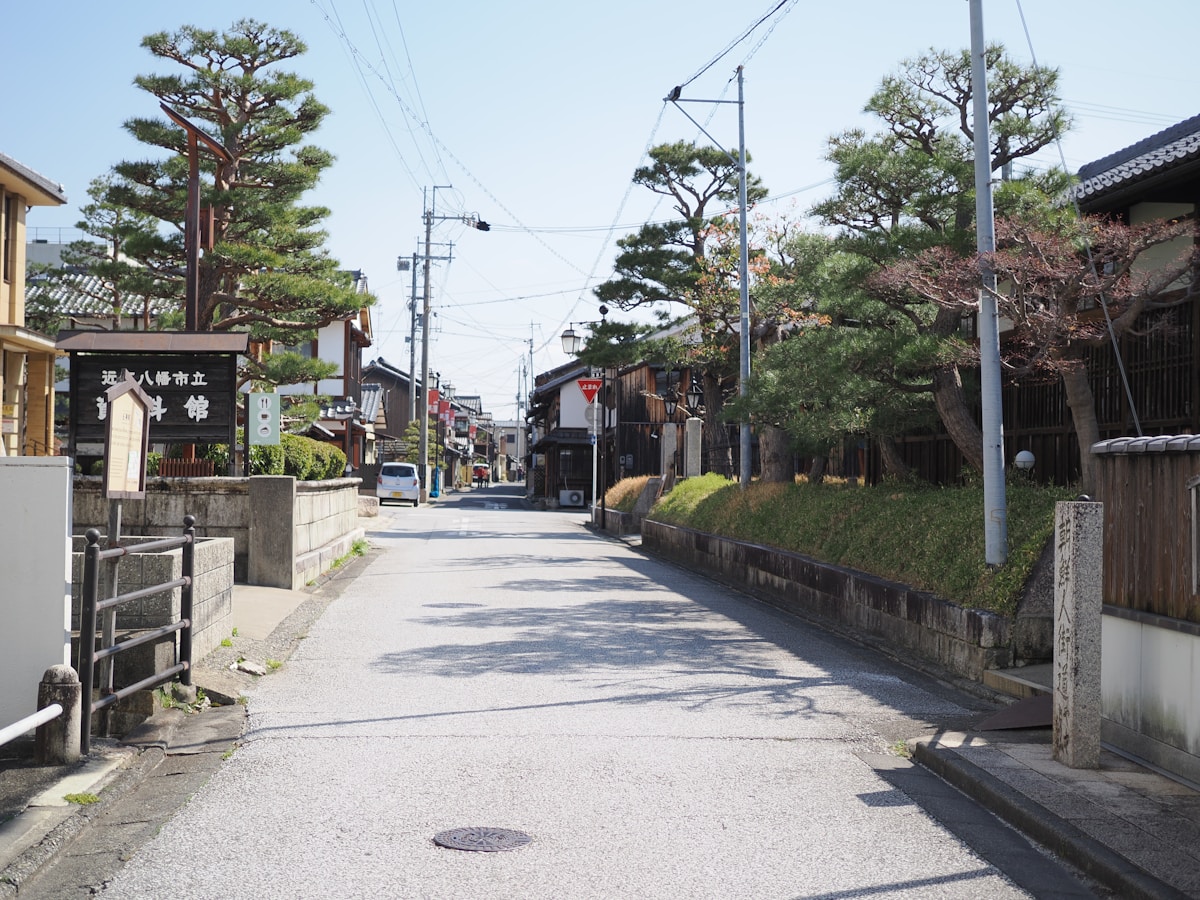
A quiet Japanese town — local real estate agents are often deeply embedded in neighborhoods like this. Photo: Kazuyuki Aoki / Unsplash
The First Meeting: Meishi and First Impressions
Business Card Protocol
The meishi (名刺 (meishi)) exchange is not a casual gesture — it's the opening act of every business relationship in Japan. If you show up without business cards, you're starting at a disadvantage.
Before your trip, get bilingual business cards printed. One side in English, one in Japanese. Include your name, contact details, and if applicable, your company name. Online services can produce these for ¥2,000–¥5,000 for 100 cards, often with next-day delivery within Japan.
The exchange protocol:
- Stand and face the other person directly
- Hold your card with both hands by the top corners, Japanese side facing the recipient
- Present it with a slight bow (approximately 30 degrees) while stating your name clearly
- Receive their card with both hands simultaneously if possible, or immediately after presenting yours
- Read their card carefully — study it for a few seconds, don't just glance and pocket it
- If seated at a table, place the card in front of you for the duration of the meeting, ideally on a card holder
- After the meeting, store it in a card case — never in a back pocket, and never write on it in front of them
The card represents the person. Treating it carelessly is treating them carelessly. This isn't performative — Japanese professionals genuinely notice.
Greetings and Body Language
A 30-degree bow covers most real estate meetings. Bend from the waist with a straight back, hands at your sides, and pause briefly at the lowest point. Don't bow while walking or mid-sentence.
Many agents working with foreigners will extend a handshake. If they do, accept it — but let them initiate. A common pattern is a bow followed by a handshake, which acknowledges both cultures.
Other basics that matter more than you might expect:
- Punctuality — arrive 5 minutes early. Being late without notice is deeply disrespectful.
- Shoes off — when viewing properties, remove your shoes at the entrance. Bring clean socks.
- Sit where directed — the seat furthest from the door is traditionally the guest's seat (kamiza). Wait to be shown where to sit.
- Gifts — a small, wrapped gift from your home country is appreciated at the first meeting but not expected. Sweets or local specialty foods work well.
Communication: The Rules Nobody Tells You
Response Times Are Different
Western buyers often expect same-day email responses and weekend availability. Japanese agents operate differently:
- Standard response time: 2–5 business days is normal, not a sign of disinterest
- Many agencies close on Wednesdays — this is an industry-wide convention (the Japanese word for Wednesday, sui-yōbi, shares a character with "water," which can erode foundations — an inauspicious association for property)
- Year-end closures: Most agencies close from approximately December 28 through January 3
- Obon period: Reduced availability during mid-August (typically August 13–16)
Sending three follow-up emails in 48 hours won't speed things up — it signals impatience and may actually slow the process. One polite follow-up after a week is appropriate.
Indirect Communication
Japanese business culture avoids direct refusal. An agent who says "that might be difficult" (chotto muzukashii desu) is almost certainly saying no. Other phrases that mean something other than what they literally say:
- "We'll consider it" (kentō shimasu) — often means the answer is no, but they're being polite
- "It's a bit..." (chotto...) — a gentle rejection or expression of discomfort
- "I'll do my best" (ganbarimasu) — may mean they'll try, or may mean they doubt it's possible but don't want to disappoint you
- "Let me check with the seller" — sometimes genuine, sometimes a way to buy time or soften a refusal
This isn't deception — it's a communication style that prioritises harmony and face-saving. Pressing for a "straight answer" will make both parties uncomfortable without producing better information.
Language Barriers Are Real
Outside major cities, very few agents speak English. Even in Tokyo and Osaka, fluency is uncommon. Your options for bridging this gap:
- Work with a bilingual agent — the simplest solution. Agencies like Teritoru specialise in serving international buyers with full English support.
- Hire a translator — expect to pay ¥20,000–¥40,000 per day for a professional real estate translator
- Translation apps — useful for casual conversation but dangerously insufficient for contract discussions. Never rely solely on machine translation for legal documents.
- Written communication — many agents are more comfortable reading English than speaking it. Email in simple, clear sentences without idioms.
How the Listing System Works
REINS: Japan's Central Database
REINS (Real Estate Information Network System) is Japan's government-run equivalent of the MLS. Established in 1986 by what is now the Ministry of Land, Infrastructure, Transport and Tourism, it contains approximately 70% of all active property listings in Japan.
The public cannot access REINS. Only licensed agents can search the database. This is fundamentally different from markets like the US, where buyers can browse MLS listings on Zillow or Redfin. In Japan, you need an agent to see what's available.
This means switching agents won't necessarily show you different properties — every licensed agent sees the same REINS listings. What differs is their local knowledge, their relationships with sellers, and their willingness to work with foreign buyers.
Brokerage Agreement Types
When a seller lists a property in Japan, they choose one of three agreement types with their agent:
- Ippan (General) — the seller can list with multiple agencies simultaneously. Most common for akiya properties.
- Sennin (Exclusive) — only one agency represents the property, but the seller can still find a buyer independently. The agent must list it on REINS within 7 days.
- Senzoku Sennin (Restricted Exclusive) — one agency handles everything; even the seller cannot independently find a buyer. Must be listed on REINS within 5 days.
For buyers, the practical impact is this: with ippan listings, multiple agents might show you the same property. With exclusive listings, you'll need to go through the listing agent. Your buyer's agent can still represent your interests, but they'll coordinate with the seller's agent.
Kakoikomi: The Practice to Watch For
Kakoikomi (囲い込み) is a controversial practice where a listing agent deliberately withholds a property from other agents to earn commission from both sides (double-ending). They might tell your agent the property is "under contract" when it isn't, or simply delay responding to inquiries.
This practice is technically against industry rules but still occurs. If you suspect it's happening — especially if a property you're interested in is suspiciously "unavailable" through your agent but still listed publicly — ask your agent directly. A good agent will know how to navigate this.
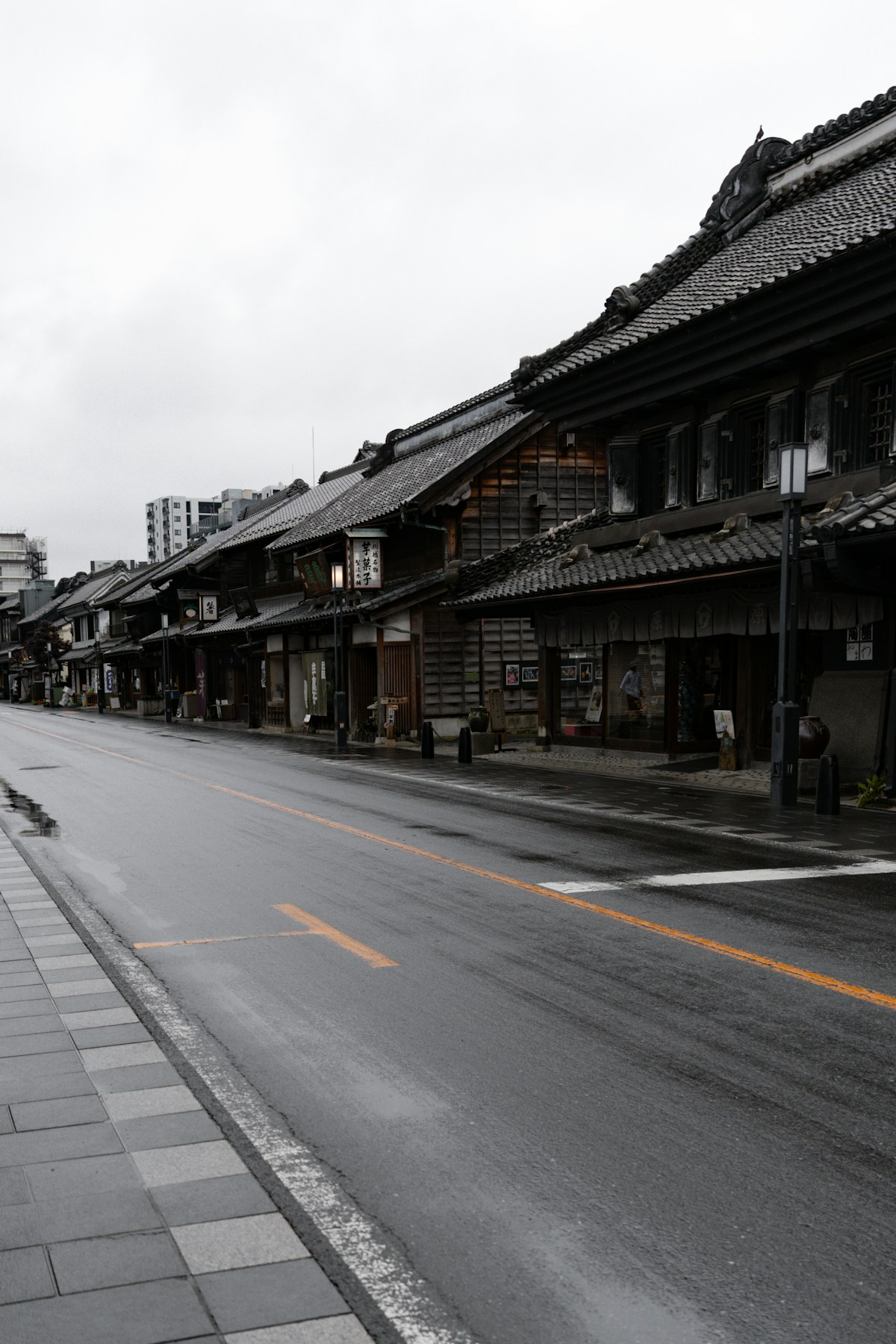
Traditional buildings in Kawagoe — property viewings in Japan follow a structured, respectful protocol. Photo: Ben George / Unsplash
What to Expect During Viewings
The Viewing Process
Property viewings in Japan are more structured than in many Western markets:
- Viewings are always scheduled in advance — there are no open houses in the Western sense
- The agent accompanies you — you won't receive a lockbox code and be told to visit on your own
- Expect 30–60 minutes per property — the agent will walk you through methodically
- Photography is usually fine — but ask first, especially if the property is still occupied
- Neighbours may be watching — in rural areas especially, your visit will be noticed. Be respectful of the surroundings.
Questions to Ask
Japanese agents won't always volunteer negative information unprompted (though they're legally required to disclose material defects). Prepare specific questions:
- How long has the property been vacant? (Longer vacancy often means more deterioration)
- Why is the owner selling?
- Are there any boundary disputes with neighbours?
- What is the property's disaster risk classification? (Flood zones, landslide areas, seismic risk)
- Are there any outstanding liens or unpaid taxes?
- Is the property in a shitchōson (municipality) with an active akiya bank subsidy programme?
- What are the annual fixed asset tax (kotei shisan zei) and city planning tax (toshi keikaku zei) amounts?
- Are there any community obligations? (Neighbourhood association dues, shared maintenance, festival participation)
The Contract Process: Step by Step
Step 1: Making an Offer
In Japan, offers are typically made through a kaitsuke shōmei-sho (purchase application) submitted through your agent. This document isn't legally binding but signals serious intent. It includes your proposed price, desired timeline, and any conditions.
Price negotiation exists but follows different norms:
- Lowball offers are taken poorly — offering 50% of asking price is an insult, not a negotiating tactic
- A 10–20% discount is a reasonable starting position for most properties
- Akiya listed for very low prices (under ¥1 million) often have little negotiation room — the seller may already feel they're giving the property away
- Your agent negotiates on your behalf — direct contact with the seller is uncommon and generally unwelcome
Step 2: The Jūyō Jikō Setsumei (Explanation of Important Matters)
This is the most critical meeting in the entire process. The licensed takken-shi must read through the entire Jūyō Jikō Setsumei document — which can run 20 to 100 pages — explaining every detail of the property and the transaction.
The document covers:
- Legal title and registration details
- Zoning and land-use restrictions
- Road access and boundary lines
- Building structure, age, and any known defects
- Earthquake resistance classification
- Hazard zone designations (flood, landslide, tsunami)
- Infrastructure connections (water, gas, sewage)
- Applicable laws and regulations
- Contract terms and cancellation conditions
You must have this document translated. Even if you speak conversational Japanese, legal Japanese is a different language entirely. Budget ¥30,000–¥80,000 for professional translation, depending on the document's length. Some bilingual agents, including Teritoru, provide translated summaries or full translations as part of their service.
Never sign a contract you don't fully understand. The Jūyō Jikō Setsumei exists specifically to protect you — but only if you actually comprehend what's being explained. This is not a formality to rush through.
Step 3: Contract Signing
The purchase contract (baibai keiyaku-sho) is signed after the Important Matters explanation, often at the same meeting. Key elements:
- Earnest money (tetsuke-kin) — typically 5–10% of the purchase price, paid at signing
- Revenue stamps (shūnyū inshi) — a tax on the contract itself, ranging from ¥200 to ¥480,000 depending on the price (for most akiya purchases, ¥1,000–¥10,000)
- Cancellation terms — the buyer can cancel by forfeiting the earnest money; the seller must return double the earnest money if they cancel
- Settlement date — typically 1–3 months after contract signing
Step 4: Settlement and Registration
On settlement day, the remaining balance is paid, and a judicial scrivener (shiho shoshi) handles the title transfer registration. This meeting typically takes place at a bank, with both parties, their agents, and the scrivener present.
The entire process from first viewing to settlement typically takes 2–4 months for a straightforward transaction, though akiya purchases can sometimes move faster due to motivated sellers.
The Reputation Economy: Why Ghosting Kills
How Regional Networks Work
Here's something many foreign buyers don't grasp: in rural and semi-rural Japan, real estate agents know each other. Not in the casual, LinkedIn-connection sense — they attend the same association meetings, share listings through REINS, refer clients to each other, and often socialise together.
When you ghost an agent — stop responding, miss a viewing without calling, or vanish after they've invested significant time in your case — that information doesn't stay private. In smaller markets, agents from different firms compare notes at local real estate association (takken kyōkai) meetings. An agent who's been burned by a foreign buyer will mention it.
This doesn't mean you'll end up on a formal blacklist. Japan doesn't operate that way. But when you approach another agent in the same region six months later, and they make a phone call to the previous agent — which they likely will — you'll find the process mysteriously harder.
How to End an Agent Relationship Properly
If you decide not to proceed with a purchase, or if you want to switch agents:
- Tell them directly — a brief, polite email or call explaining that your circumstances have changed is all that's needed
- Thank them for their time — even a single sentence of gratitude matters enormously
- Don't invent excuses — "We've decided to pause our search" is perfectly acceptable. You don't need to justify your decision.
- If switching agents — don't ask the new agent to show you the same properties the previous agent already showed you. This is considered extremely poor form.
Three minutes of courtesy protects years of future access to that market.
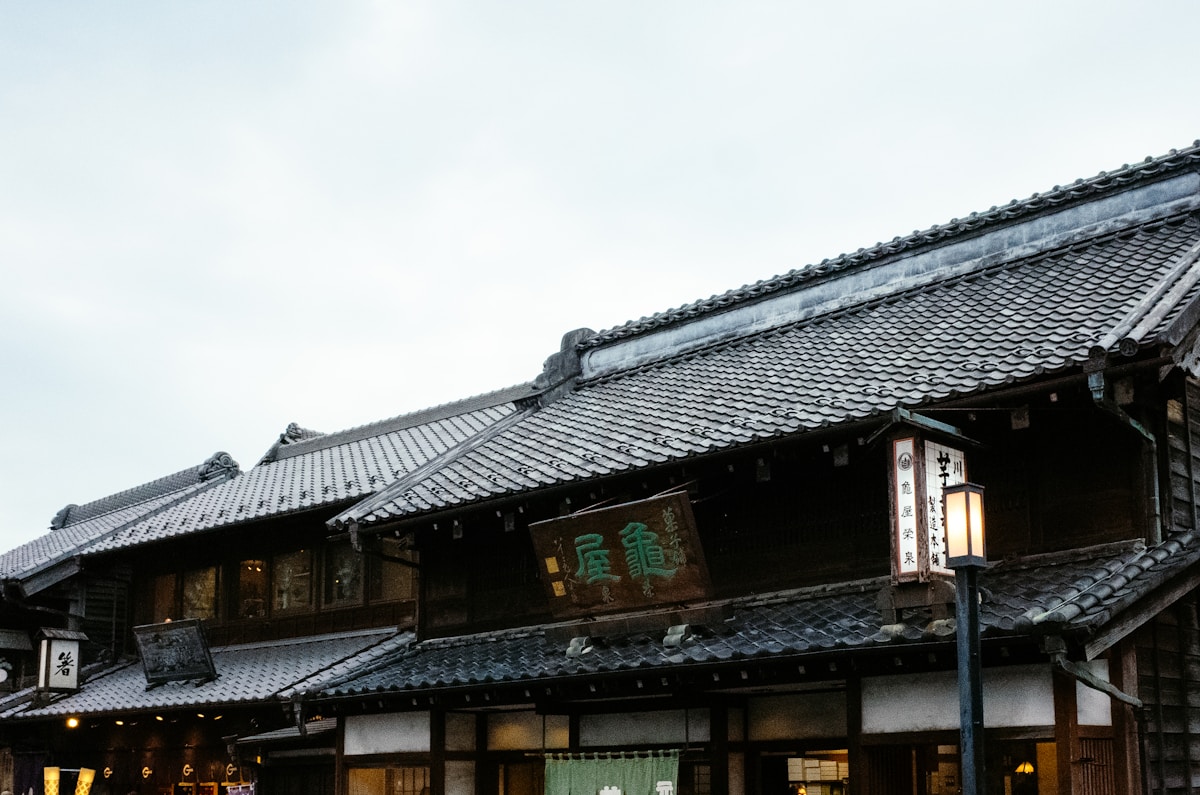
Historic streetscape in Kawagoe, Saitama — understanding property listings requires navigating Japan's unique real estate systems. Photo: PJH / Unsplash
Working with Agents Remotely
What's Possible in 2026
Japan has been slowly digitising its real estate processes. Since 2022, electronic contracts and remote Important Matters explanations via video call have been legally permitted. In practice, adoption varies:
- Urban agencies — many now offer video viewings, electronic signatures, and remote closings
- Rural agencies — most still prefer in-person meetings and physical paperwork
- Document delivery — expect some documents to arrive by physical mail even from tech-forward agencies, as certain documents still require original seals
If you're buying remotely, establish communication expectations early. Ask which messaging platform the agent prefers — LINE is the dominant business messaging app in Japan, far more commonly used than email for ongoing communication. Getting on LINE can dramatically improve response times.
Power of Attorney
If you can't be present for the contract signing or settlement, you can grant power of attorney (inin-jō) to a representative in Japan. This requires:
- A notarised power of attorney document
- Apostille certification from your home country (if the country is a Hague Convention member)
- Japanese translation of all documents
- A trusted representative — often your agent, a judicial scrivener, or a bilingual legal professional
A licensed agent like Teritoru can coordinate the entire remote purchase process, from video viewings to settlement, acting as your on-the-ground representative when you can't be there in person.
Red Flags: When to Walk Away
Not every agent deserves your trust. Watch for these warning signs:
- Pressure to sign quickly — "Another buyer is interested" is sometimes true, but legitimate agents give you time to decide
- Reluctance to show the Jūyō Jikō Setsumei before signing day — you have the right to review this document in advance
- Unclear fee breakdowns — all fees should be explained in writing before you commit
- "Administrative fees" beyond the legal commission — some agencies add dubious surcharges. The maximum commission is set by law.
- Discouraging you from hiring your own translator or scrivener — you always have the right to independent professionals
- Otori bukken (decoy properties) — listings used to lure you in that are mysteriously "just sold" when you inquire, followed by aggressive redirection to different properties. This practice is illegal but estimated to affect roughly 1 in 5 online listings.
Ten Rules for a Successful Agent Relationship
- Be specific about what you want. Vague requests ("something nice in the countryside") waste everyone's time. Provide your budget, preferred regions, property type, and timeline.
- Be honest about your budget. Japanese agents don't play the "what's your maximum?" game. Tell them your real number and they'll work within it.
- Respond to every message, even if just to say "Thank you, I need a few days to think about this."
- Don't contact multiple agents about the same property. They'll find out, and it damages your credibility with all of them.
- Respect their time. If you schedule a viewing, show up. If you can't, cancel with at least 24 hours' notice.
- Don't negotiate directly with sellers. Everything goes through the agents. Bypassing them is a serious breach of protocol.
- Bring all requested documents promptly. Delays in providing ID, proof of funds, or residence documentation slow the entire process.
- Ask questions, but accept the answers. If the agent says a seller won't negotiate on price, pushing repeatedly won't change the answer — it will change how willing the agent is to work with you.
- Say thank you. A follow-up email after viewings or meetings expressing gratitude takes 30 seconds and builds lasting goodwill.
- Close the loop. If you decide not to buy, tell your agent. Disappearing is the single most damaging thing you can do to your reputation in the Japanese real estate market.
A Note on Discrimination
It would be dishonest to write this guide without addressing a difficult reality: some sellers and landlords in Japan refuse to work with foreign buyers. You may encounter agents who seem reluctant to take your case, or sellers who decline your offer without clear justification.
Japan does not have comprehensive anti-discrimination legislation covering real estate transactions in the same way as many Western countries. The Ministry of Justice has guidelines against discriminatory practices, and the Japan Fair Trade Commission oversees real estate advertising standards, but enforcement is limited.
The most effective response is to work with agents who actively serve international clients and have a track record of completing cross-border transactions. Agencies like Teritoru, which specialise in foreign buyer support, have established relationships with sellers and local agents who welcome international purchasers. They know which doors are open and can steer you away from wasted effort.
Being well-prepared, respectful of local norms, and professional in all your dealings also helps. Agents who see that you understand the process and take it seriously are far more likely to advocate for you with hesitant sellers.
Making It Work
Working with Japanese real estate agents isn't complicated — but it does require recalibrating expectations that many Western buyers carry without even realising it. The assumption that agents should compete for your business, that faster is always better, that directness equals efficiency — none of these translate well.
What does translate is respect. Respect for their time, their expertise, their communication style, and their community standing. An agent who trusts you will move mountains to find you the right property. An agent who doesn't trust you won't return your emails.
The relationship you build with your agent isn't a transaction cost — it's the foundation of your entire property purchase in Japan. Invest in it accordingly.