Snow Country, Premium Rice, and Japan's Sake Capital
Living in Niigata
The prefecture that produces Japan's finest rice, maintains over 90 sake breweries, sits at the centre of Japan's heaviest snowfall belt, and holds Sado Island — one of the country's most culturally rich and undervisited places.
Why People Choose Niigata
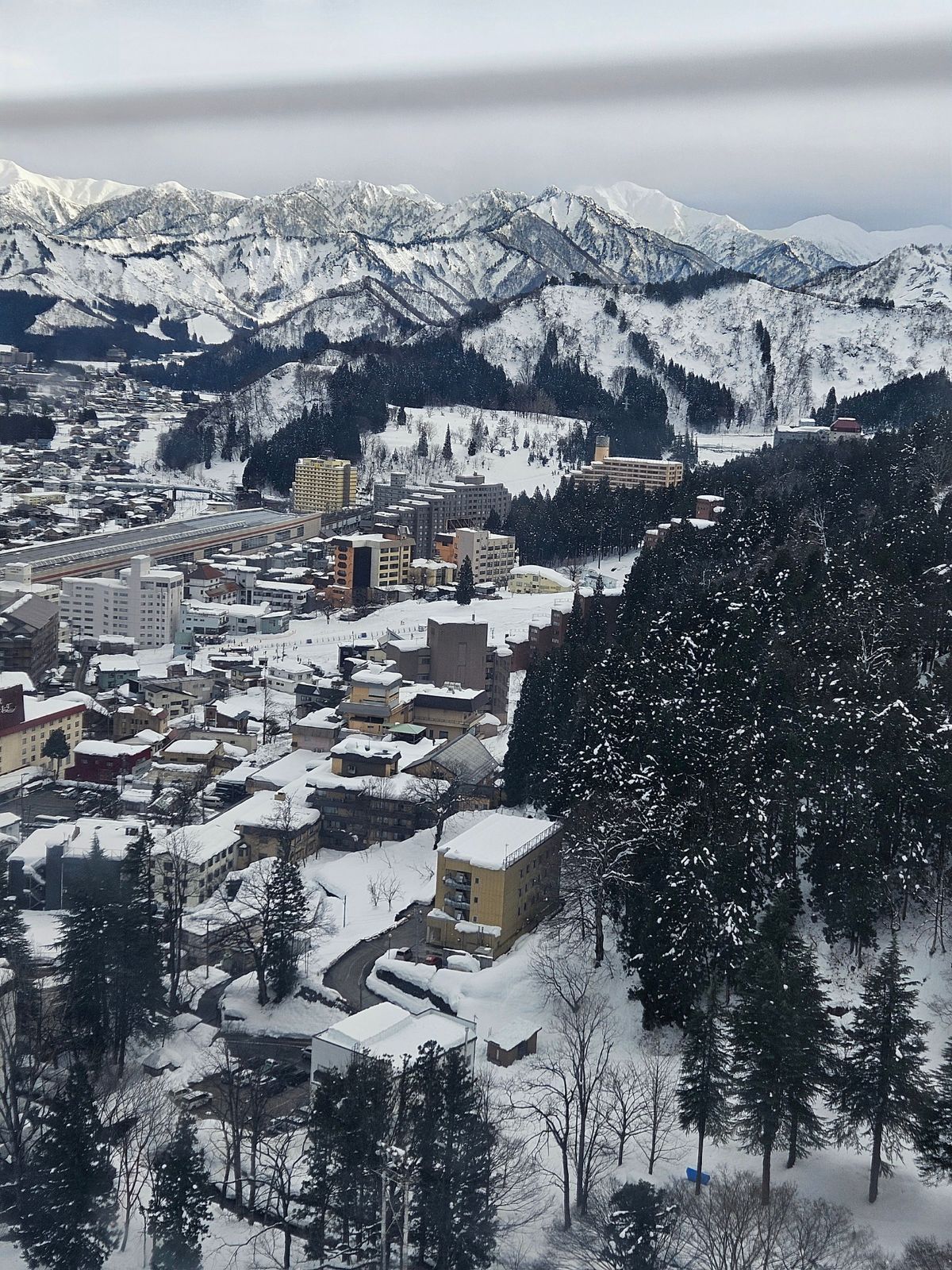
Niigata is a prefecture shaped by its adversity. The Sea of Japan weather pattern produces some of the world's heaviest snowfall — mountains in the south receive 5-7 metres annually, and even the coastal city gets enough to slow traffic. That same system drives the mineral content of the Echigo plain's water, which Niigata farmers and sake brewers have leveraged for centuries to produce Japan's benchmark produce. The sake industry counts over 90 active breweries — more than any other prefecture — with styles that span clean and dry (like Kubota Manju) to rich and complex (like Hakkaisan Yukimuro).
The proposition for buyers is specific: this is Japan for people who want the real version of rural and small-city life, rather than the tourism infrastructure version. Sado Island — 65 minutes by JetFoil from Niigata Port — has maintained a culture shaped by centuries of isolation that makes it feel genuinely different from the mainland. The Echigo-Tsumari Art Field in the interior organises a major outdoor art triennale across abandoned farmland and villages, drawing visitors who find that the art and the landscape become inseparable in ways that indoor museum experiences do not.
The Joetsu Shinkansen connection (77 min to Tokyo) makes the prefecture accessible enough to keep one foot in the city while building a life in the rice country. That balance is the real proposition here — the ability to be in Tokyo for a meeting and back for rice paddy walking the same evening.
Niigata city is a compact port city of 780,000 with a riverside centre, good seafood, and manageable scale. It is genuinely cold and dark in winter — the snow belt is not poetic about this. But summer on the Sea of Japan coast is mild and clear in ways that surprise people who visit only in the snow season.
Joetsu Shinkansen: Tokyo 77 min (Toki Express), 2h (Tanigawa). Niigata Airport has limited international routes. The city is car-dependent beyond the center. Rural properties in Minamiuonuma and Tokamachi require a car. Yuzawa ski area is accessible from Niigata city and directly from Tokyo.
Niigata city apartments ¥2M–¥8M. Houses ¥3M–¥12M. Minamiuonuma countryside with mountain views ¥500K–¥4M. Deep Snow Country villages (Tokamachi, Matsunoyama) ¥200K–¥2M — some essentially free with renovation obligations. Sado Island: coastal properties from ¥500K. Among the most undervalued inventories relative to the Snow Country lifestyle.
The prefectural capital: sake district (Furumachi), fish markets, Bandai City shopping, and direct Shinkansen to Tokyo. The sea-facing city rather than the snow-country interior.
The ski resort and rice country: Gala Yuzawa and NASPA ski fields, Koshihikari rice paddies, ryokan in the valleys, and a population that takes snow seriously.
The Snow Country interior — Echigo-Tsumari Art Field triennale, some of Japan's highest snowfall, century-old farmhouses, and a very specific kind of rural quiet.
Two hours by ferry: Kodo drumming, Noh theater preserved since the 14th century, gold mine history, and a coastal lifestyle that operates entirely independently of the mainland.
Where To Start
Four ways to start in Niigata
Niigata city's old entertainment quarter holds the highest concentration of sake breweries open to visitors in Japan. Imayotsukasa and Hatsumago both offer tasting sessions without reservations most days.
The Pia Bandai food market at Bandai Bridge holds fresh seafood from the Sea of Japan — snow crab in winter, salmon from the Miomote River in autumn, and the local dungeness-equivalent throughout the year. The market restaurants open at breakfast and do not take reservations.
Yuzawa's ski fields are accessible from Tokyo in 77 minutes (one of the world's most convenient mountain resort connections) but genuinely quieter on weekdays. The longest runs at Naeba and Kagura are worth the extra 30 minutes from Yuzawa station.
The JetFoil from Niigata Port reaches Ryotsu in 65 minutes. Plan a minimum of two nights — Sado Island requires time to work its way into you. The Kodo Village drum workshops accept visitors; the gold mine site at Sado Kinzan is the most intact remaining ore mine in Japan.
Daily Life in Niigata
Niigata city (population 780,000) is a sea-facing port city built around the Shinano River delta — flat, compact, and centred on the Bandai Bridge area. The fish market at Pia Bandai is a genuine daily institution rather than a tourist attraction; the sake brewery cluster in Furumachi can be walked in an afternoon but rewards several evenings spread across the season. Daily life in the city has a particular rhythm: Sea of Japan weather comes in fast and the city does not stop for snow, but it knows how to sit through a winter properly.
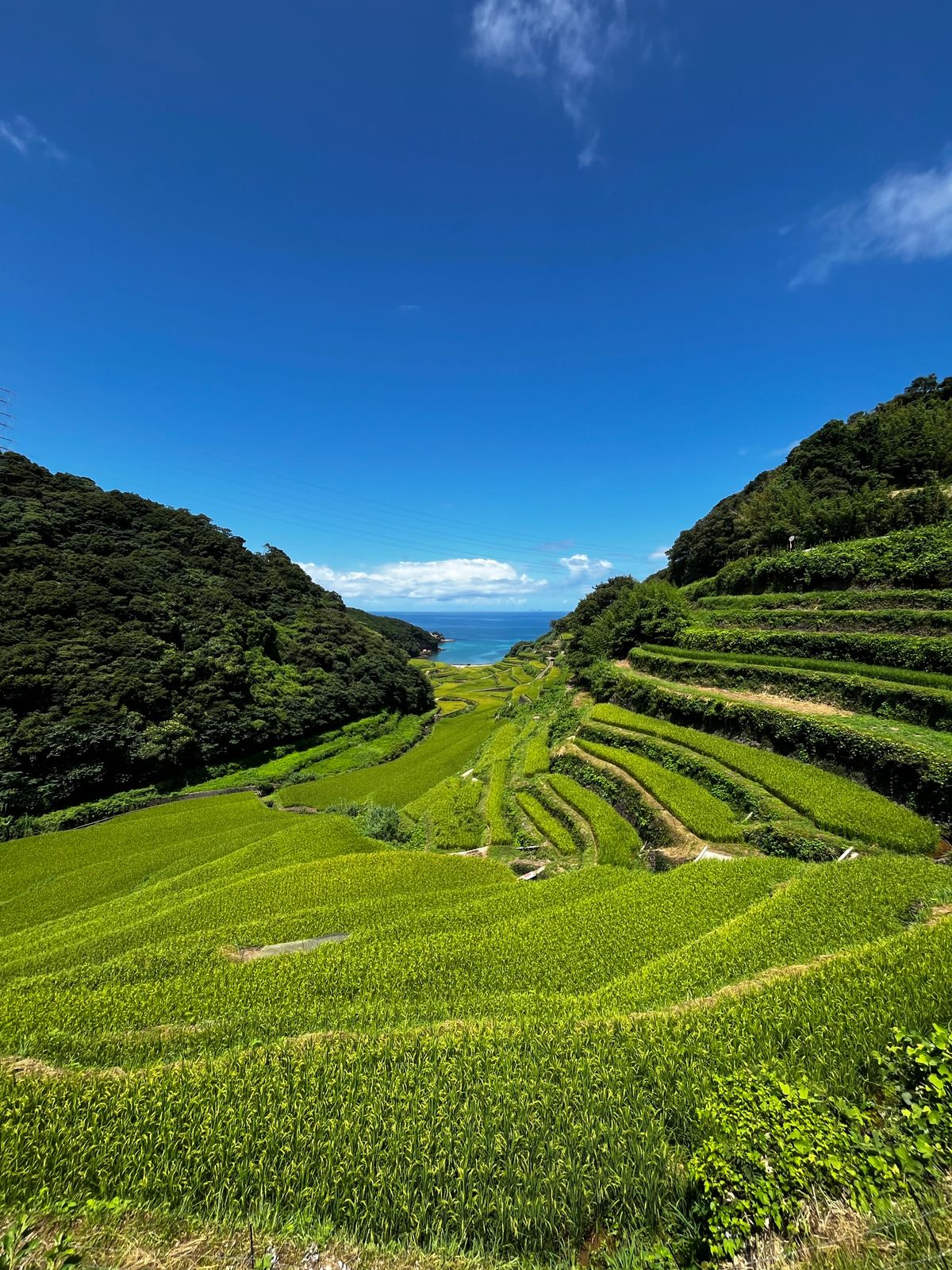
Outside the capital, Niigata Prefecture splits into two very different territories. The Snow Country interior (Yuzawa, Minamiuonuma, Tokamachi, Matsunoyama) gets some of the world's heaviest snowfall and has developed architecture and lifestyle in response — reinforced roof structures, covered arcades (gangi) over sidewalks, insulated farmhouses with central hearths. The Echigo plain coastal belt is rice country — flat, agricultural, and defined by the growing season with winters that are serious but shorter than the mountain interior.
Sado Island deserves its own paragraph. Two hours by conventional ferry or 65 minutes by JetFoil from Niigata Port, it has the largest surface area of any Japanese island outside Hokkaido and Okinawa, a population that has supported traditional Noh theater continuously since the 14th century, and the only remaining wild population of Japanese crested ibis (toki) on earth. Living in Niigata with easy access to Sado is a specific and unusual lifestyle option that does not have an equivalent elsewhere in Japan.
Food and Drink
Niigata rice is not marketing — it is the reason Japan's premium rice market exists. Koshihikari, developed here in 1956, is the variety that set the benchmark other Japanese rice farmers still measure against. In Niigata, it is eaten at every meal with nothing on it, as a demonstration of what it tastes like when the soil, water, and climate are all correct. The autumn harvest season (September–October) is when restaurants change their menus around the new rice.
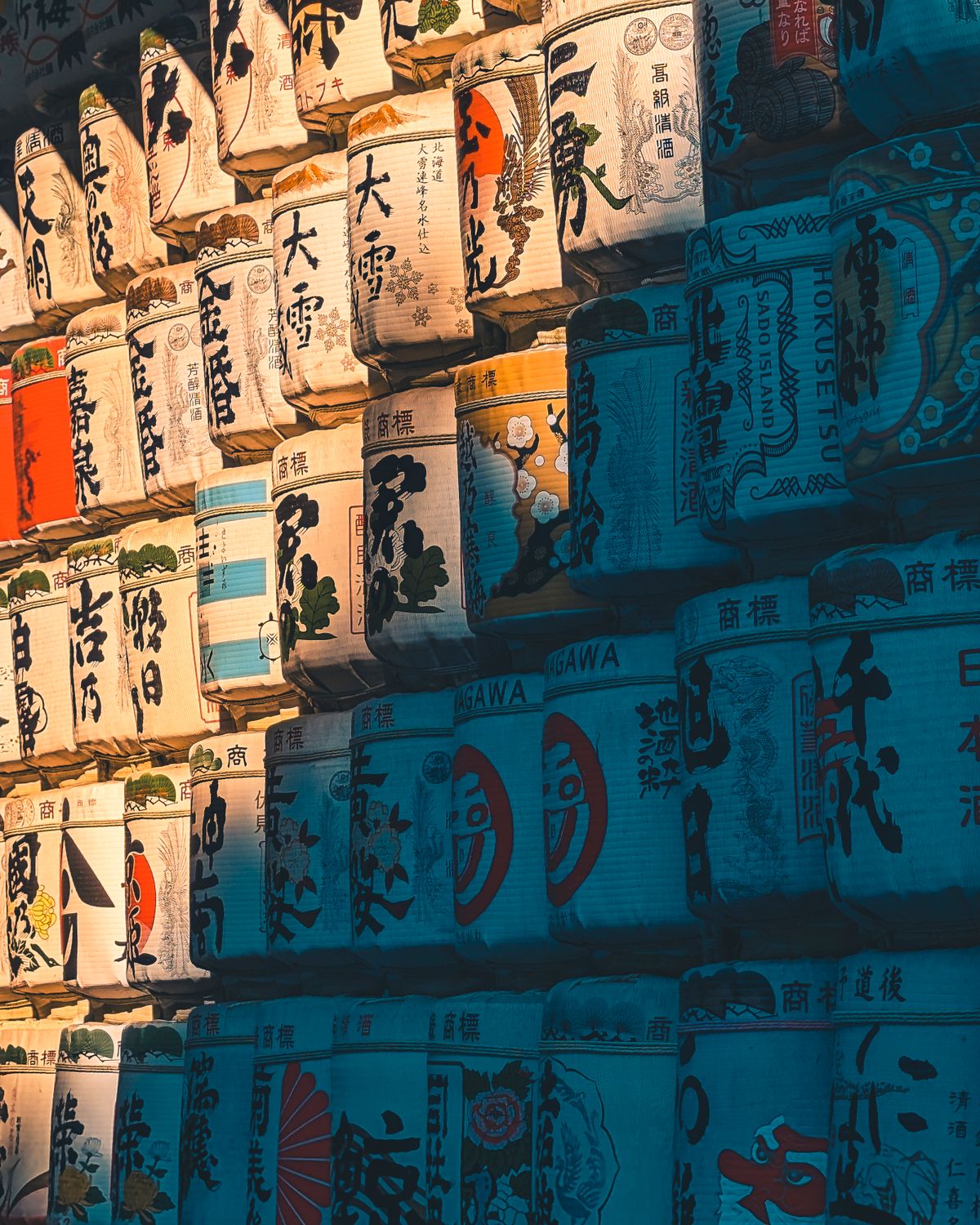
The sake industry is the food culture's second pillar. More than 90 breweries produce styles that span the range from Kubota's famously clean and dry junmai daiginjo to the richer, more complex expressions from mountain breweries in Tokamachi and Uonuma. Imayotsukasa in Furumachi does tasting sessions without reservations. The Furumachi sake crawl — several breweries within easy walking distance in the old entertainment district — is how locals and visitors both navigate it.
Sea of Japan seafood fills the third corner. Snow crab (Echizen kani) arrives from November, salmon runs up the Miomote River in autumn, and the local noppei jiru (a thick vegetable and taro soup that became Niigata's comfort food partly because the ingredients are what survived every hard winter) is found at restaurants and home kitchens throughout the cold months.
Culture and Events
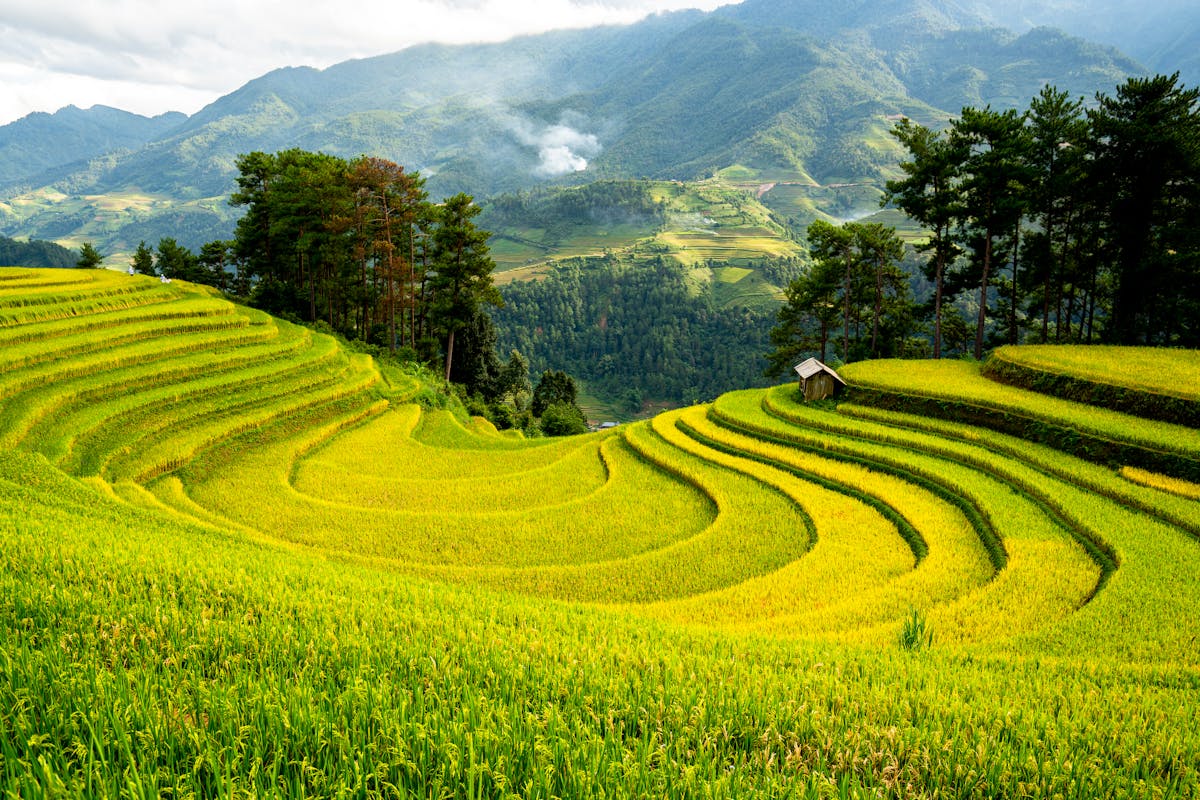
The Echigo-Tsumari Art Field triennial (running since 2000, most recently July–November 2024) places large-scale outdoor art across a rural landscape that lost half its population in 50 years — abandoned farmhouses, rice terraces, and forested hills serve as gallery space for artists from 40 countries. The work at its best stops being separable from the landscape around it. Bolognini's Tunnel of Light in a disused railway cut, and Cai Guo-Qiang's Zipangu installation inside a farmhouse, are among the permanent installations that remain between triennales.
Kodo, the Sado Island drumming group, has performed internationally for 40 years but remains based on Sado — their Earth Celebration festival in August draws 10,000 to the island's Ogi Port. Sado's traditional Noh theater, maintained since the 14th century by the descendants of exiled court nobles, is performed in open-air settings at certain shrines — a performance experience that has almost no equivalent elsewhere in Japan. The Sado Kinzan Gold Mine, operated from 1601 until 1989, is the most intact remaining ore mine in Japan and the historical spine of the island's character.
Weekends and Escapes
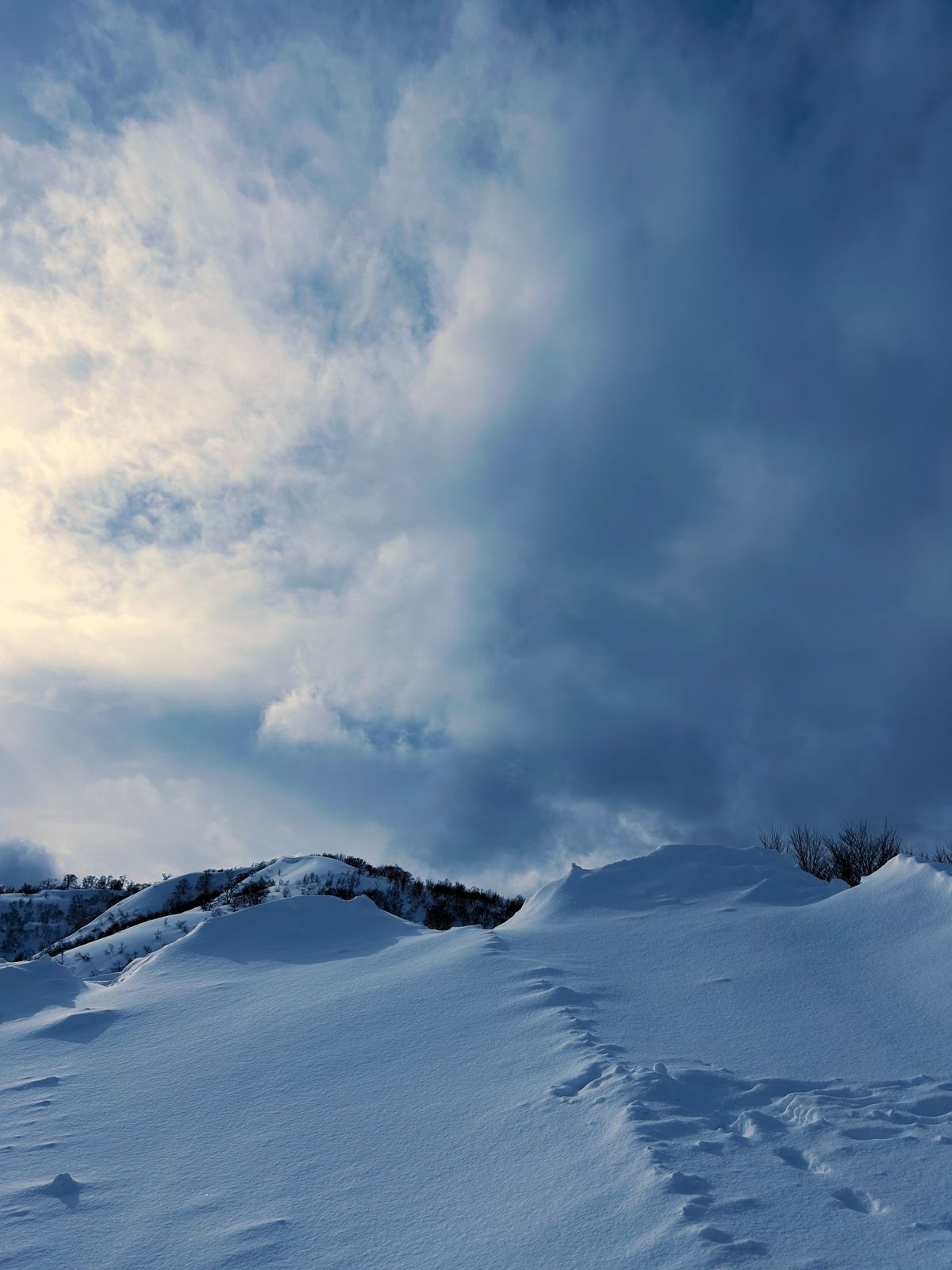
The ski fields at Gala Yuzawa, Naeba, and Kagura are Japan's most accessible mountains from Tokyo (77 min by Joetsu Shinkansen to Yuzawa, direct Shinkansen platform access to Gala) and among the highest snowfall resorts in the world. For residents of Niigata city, the ski fields are 45–70 minutes by car — a combination of accessibility and snow quality that draws skiers from across the Kanto plain on weekends.
In summer, the inland valleys transform: Matsunoyama has Japan's most powerful natural hot spring (94°C, containing levels of radium that require bathing time limits), and Minamiuonuma runs the tanada rice paddy art (geometric patterns cut into the rice crop, visible from hillside viewpoints in August). The Sado ferry runs year-round and summer crossings on clear days give views of the Echigo mountain ranges from the Sea of Japan that are difficult to find anywhere else. The island itself rewards multiple visits — it is too large and culturally dense to do on a single day trip.