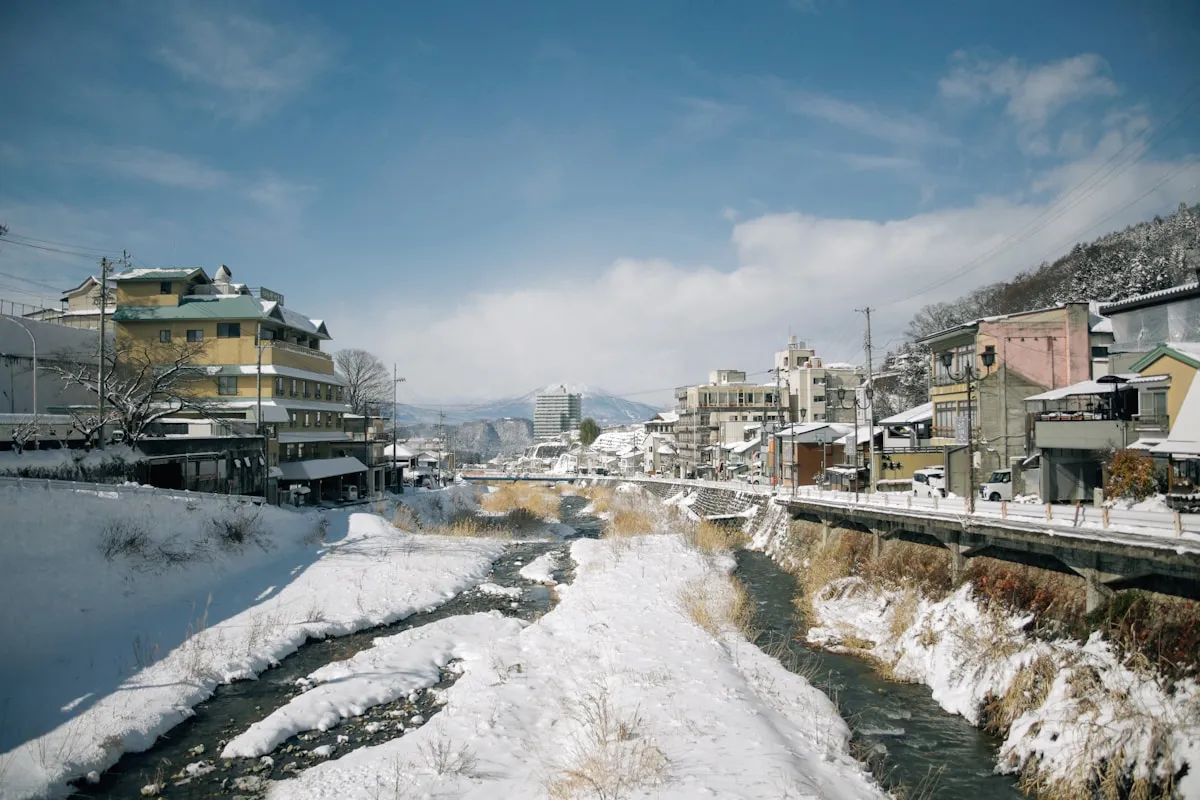
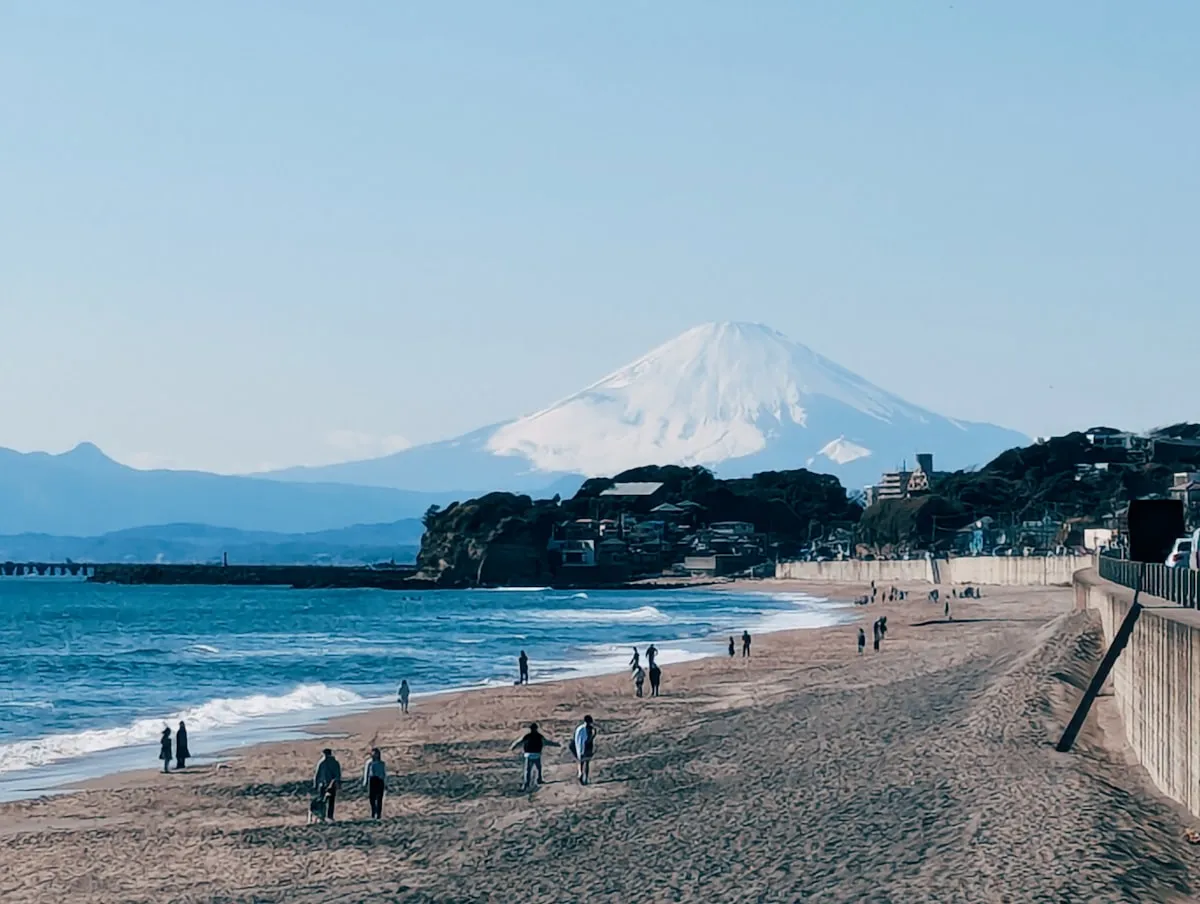
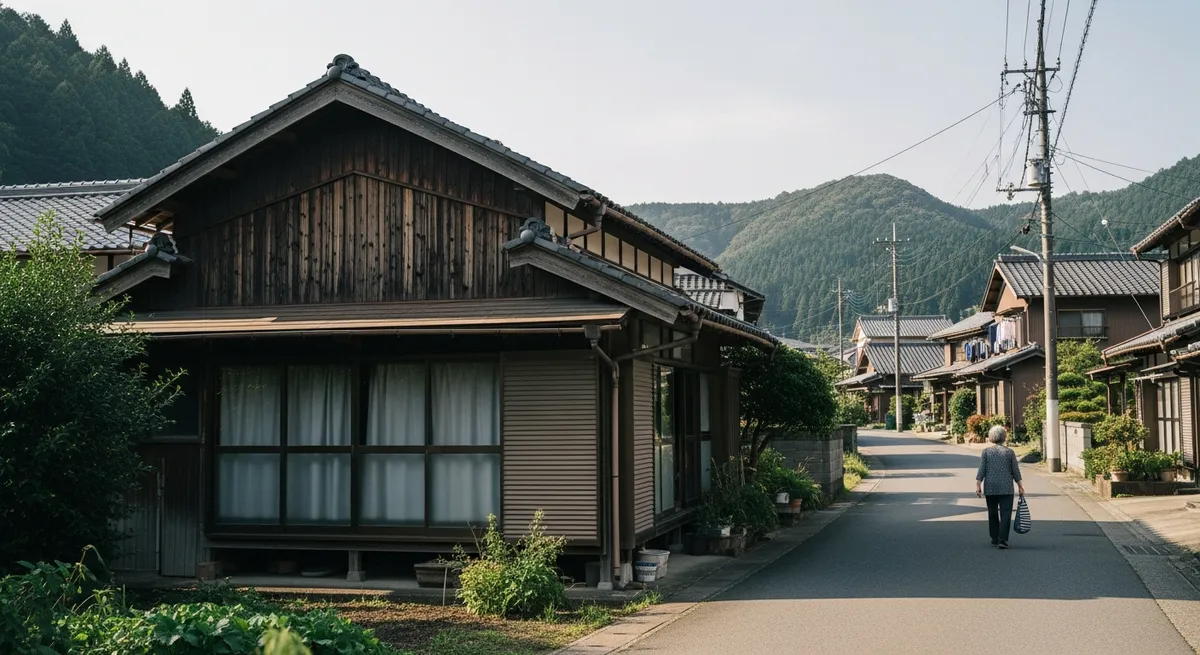
If you spend any time browsing property listings on Akiya Japan, you will notice a pattern. Chiba Prefecture quietly dominates saved-property lists despite receiving virtually zero English-language coverage as a buying destination for akiya. While the internet overflows with guides to "cheap houses in rural Japan" pointing readers toward Akita, Tochigi, e Niigata, gli acquirenti che mettono davvero proprietà nelle loro liste brevi continuano a tornare alla stessa penisola a est di Tokyo.
This is not an accident. Chiba occupies a rare sweet spot in Japanese real estate, close enough to Tokyo per un pendolarismo pratico, abbastanza conveniente per vere occasioni akiya, e abbastanza ricco di stile di vita da giustificare viverci a tempo pieno. È la prefettura che gli acquirenti esperti scoprono dopo aver fatto i compiti, e quella che i principianti trascurano costantemente.
Questa guida è la risorsa in inglese che mancava al mercato akiya di Chiba. Tratteremo i numeri reali, la geografia, i collegamenti di trasporto, il quadro giuridico, i sussidi e i rischi onesti, tutto ciò che serve per decidere se Chiba merita un posto anche nella tua lista breve.
Chiba in numeri
La prefettura di Chiba si trova immediatamente a est di Tokyo, formando la maggior parte della penisola di Boso che si protende nell'Oceano Pacifico. Con una popolazione di circa 6.28 milioni, è la sesta prefettura più popolosa del Giappone, abbastanza grande da sostenere un'infrastruttura eccellente, abbastanza piccola fuori dalle sue città settentrionali da offrire un autentico carattere rurale.
The geography matters enormously for property buyers. Chiba's northern border is effectively part of the Tokyo metropolitan sprawl, with cities like Funabashi, Matsudo, and Ichikawa functioning as dense commuter hubs. But travel south down the peninsula and the landscape transforms rapidly. Rice paddies, forested hills, fishing villages, and long stretches of Pacific coastline replace the apartment blocks within 60 to 90 minutes.
According to Japan's confirmed 2023 Housing and Land Survey (released November 2024), Chiba has 394,100 case vuote, a record for the prefecture and sixth-highest of any prefecture in raw numbers, behind only Tokyo, Hokkaido, Aichi, Kanagawa, and Osaka. The national vacancy rate hit a record 13.8% in 2023, with roughly 9 million empty homes across Japan. Chiba's own vacancy rate, 12.3%, is lower than deeply rural prefectures like Wakayama (21.2%) o Tokushima (21.3%, the national high), but meaningfully higher than neighboring Kanagawa (9.8%) o Saitama (9.3%, the lowest rate in the country). This middle ground is precisely what makes Chiba interesting, with enough vacant stock to find genuine deals, but enough demand and infrastructure to give your investment long-term stability.
The 2025 national census added a wrinkle nobody saw coming. When the confirmed count was released in September 2026, Chiba's population had fallen for the first time since records began in 1920, down 27,255 people from 2020 to 6,257,225. Tokyo kept growing. Chiba, along with six other prefectures that had been growing as recently as 2020, tipped into decline. That is part of why the vacant-house numbers above keep climbing, and why akiya banks in the prefecture are not short of listings.
One more number defines Chiba. L'aeroporto internazionale di Narita si trova all'interno della prefettura, a circa 60 chilometri a est del centro di Tokyo. Per gli acquirenti internazionali che intendono viaggiare spesso tra il Giappone e il loro paese d'origine, questa vicinanza non è una nota a piè di pagina, è un vero vantaggio di stile di vita che nessun'altra prefettura conveniente può eguagliare.
Understanding Chiba's Three Zones
Uno degli errori più comuni che gli acquirenti stranieri commettono è trattare Chiba come un mercato unico. In realtà, la prefettura si divide in tre zone distinte, ciascuna con diversi livelli di prezzo, stili di vita e disponibilità di akiya.
Northern Chiba's Tokyo Commuter Belt
Cities like Funabashi, Ichikawa, Matsudo, and Kashiwa are functionally part of Greater Tokyo, with tens of thousands of residents commuting daily into the capital. Average land prices here approach ¥200,000 al metro quadrato o più, e le vere occasioni akiya sono rare. Le proprietà che arrivano sul mercato tendono a essere condomini invecchiati piuttosto che case indipendenti, con prezzi da ¥12 milioni a ¥18 milioni per un'unità da 35 a 45 metri quadrati in un edificio che ha tra 20 e 35 anni.
This zone is relevant if your priority is Tokyo access with slightly lower prices than buying within the capital itself. Used condo prices across Chiba prefecture have been volatile through 2026, swinging from roughly flat to over 20% year-on-year between quarters, according to REINS resale data, with the northern commuter belt generally tracking the direction of central Tokyo rather than leading it.
Central Chiba's Transition Zone
Cities like Chiba (the prefectural capital), Narita, Sakura, and Togane form a middle band where urban infrastructure meets suburban pricing. Chiba city itself has a population of roughly one million and offers full urban amenities, from shopping centers and hospitals to universities and direct express train service to Tokyo Station in 40 to 45 minutes.
Le proprietà akiya iniziano ad apparire più frequentemente in questa zona, in particolare nei quartieri residenziali più vecchi dove il cambiamento demografico del Giappone sta creando un ricambio naturale. Aspettati di trovare case indipendenti da ¥3 milioni a ¥10 milioni, anche se molti richiederanno un budget per la ristrutturazione di ¥2 milioni a ¥5 milioni on top of the purchase price. Under Japan's 2026 official land price announcement (chika koji, published every March), Chiba's average residential land price is ¥130,000 per square meter, up 4.6% from the year before. That average is heavily skewed by the expensive northern cities; central and southern areas run dramatically lower.
Southern Chiba's Boso Peninsula
This is where Chiba's akiya market gets exciting. The Boso Peninsula, encompassing cities like Tateyama, Kamogawa, Katsuura, Isumi, and the famous surf town of Ichinomiya, offers a combination that is almost unique in Japan, beachfront or near-beach living within two hours of central Tokyo, at prices that would barely cover a parking space in Minato-ku.
Le case akiya indipendenti nel Chiba meridionale sono regolarmente elencate tra ¥1 milioni e ¥5 milioni. Some municipalities list properties through their akiya banks for as little as a few hundred thousand yen, or occasionally free, with the understanding that the buyer will renovate and inhabit the home. The trade-off is distance. Northern Chiba puts you 40 minutes from Tokyo; the southern tip of the Boso Peninsula is a two-hour-plus journey by local train.
Lo stile di vita Boso
Il prezzo da solo non spiega perché la costa meridionale di Chiba continui ad attirare l'interesse degli acquirenti internazionali. La penisola di Boso ha sviluppato una cultura di stile di vita distintiva che fonde la vita rurale tradizionale giapponese con un'identità rilassata e orientata all'oceano che sembra diversa da qualsiasi altro posto nel paese.
La costa del surf
Ichinomiya ha fatto notizia a livello internazionale quando ha ospitato il debutto olimpico del surf ai Giochi di Tokyo 2020 (tenutisi nel 2021). Ma la cultura del surf della città precede di gran lunga le Olimpiadi. La spiaggia di Tsurigasaki si trova al centro di una costa del surf di circa 100 chilometri che si estende da Kamogawa a sud a Choshi a nord-est, attirando circa 600,000 surfisti all'anno.
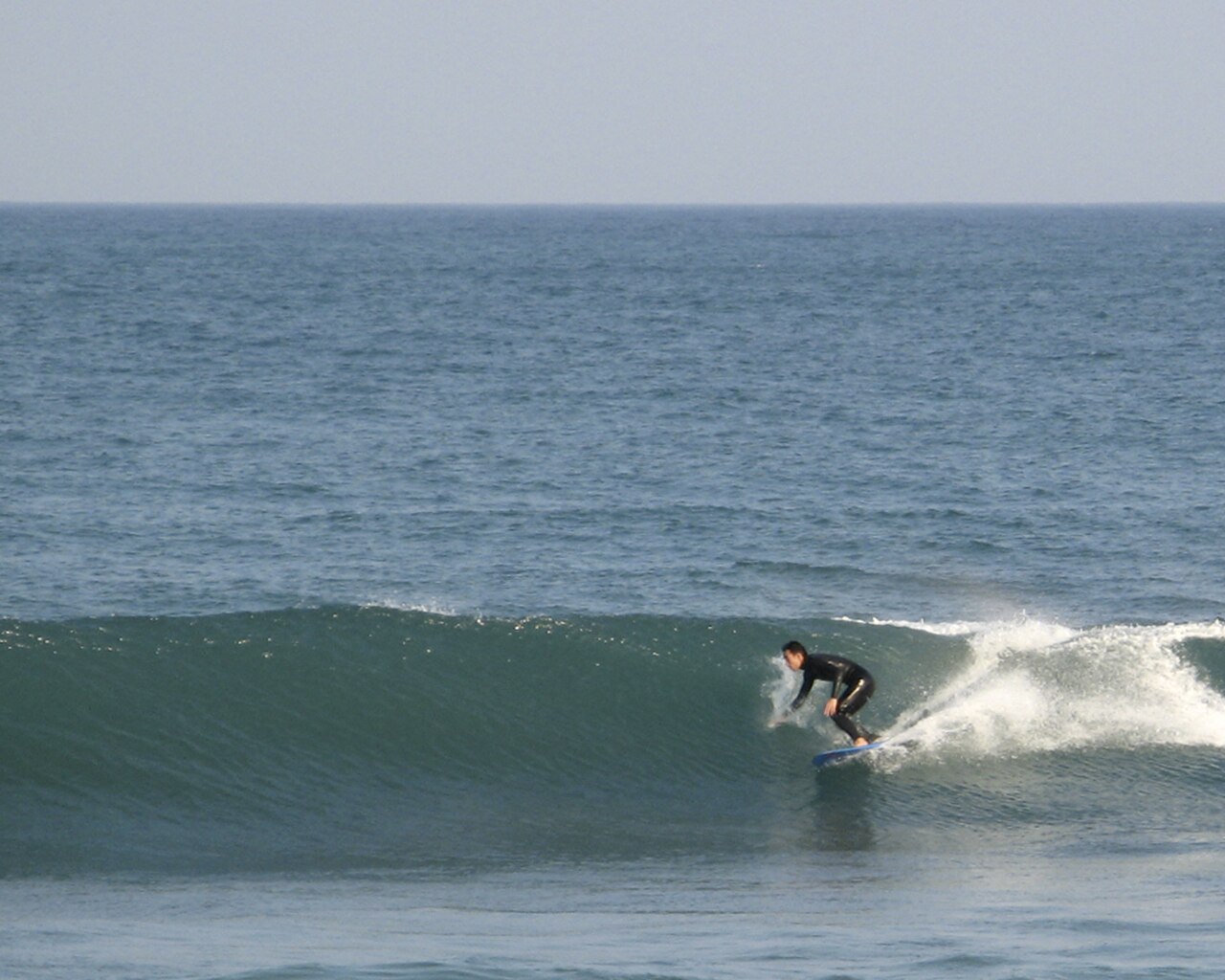
L'area ha guadagnato il soprannome affettuoso "Chibafornia," a nod to its California-like blend of surf culture, laid-back energy, and agricultural hinterland. Behind the beaches, steep forested hills give way to serpentine valleys filled with rice paddies, the classic satoyama modello di insediamento rurale giapponese. È un paesaggio in cui i negozi di surf sorgono accanto ai santuari di Shinto e i "surfisti-agricoltori" dividono le loro giornate tra le onde e gli orti.
La comunità di espatriati
A differenza di prefetture rurali più isolate, la penisola di Boso ha una piccola ma consolidata comunità internazionale. Alcuni, come lo scrittore canadese John R. Harris, vivono nelle foreste di Chiba da oltre 20 anni. Altri sono attratti dal surf, dalla vicinanza a Narita (a meno di un'ora di auto da molte città di Boso), o dal semplice fascino di una vita costiera conveniente a portata di mano dalle offerte culturali di Tokyo.
This matters practically. An existing international presence means you are more likely to find English-speaking services, community networks, and neighbors who understand the experience of building a life in rural Japan as a foreigner.
Isumi, the Quiet Alternative
Poco a sud di Ichinomiya, la città costiera di Isumi è diventata una meta per chi, dal Giappone e dall'estero, si trasferisce alla ricerca di uno stile di vita più tranquillo in una località dedita al surf. La ferrovia Isumi, una delle linee rurali più fotogeniche del Giappone, collega la zona alla rete JR mantenendo ritmi decisamente rilassati. Isumi offre ottime condizioni per il surf, splendide spiagge sabbiose e abbondanti prodotti ittici locali, pur restando piacevolmente lontana dai circuiti turistici più frequentati.
How Connected Is Chiba, Really?
Per la maggior parte degli acquirenti internazionali, la questione decisiva è l'accessibilità. È davvero possibile raggiungere Tokyo? Chi viene in visita può raggiungervi da Narita? Quanto è pratica la vita quotidiana senza un'auto? Le risposte dipendono interamente dalla zona di Chiba che state valutando.
La rete ferroviaria
Chiba is served by several JR East lines fanning out from Tokyo.
- Linea JR Keiyo. Runs from Tokyo Station along Tokyo Bay to Soga Station. The fastest commuter option at approximately 45 minutes, with trains roughly every 3 to 4 minutes during the morning peak. Fare approximately ¥740.
- Linea JR Sobu (Rapida). Connects Tokyo and Chiba Station, with some services continuing to Kazusa-Ichinomiya (Sotobo Line) or Kimitsu (Uchibo Line). A reliable trunk line with frequent service.
- Linea JR Chuo-Sobu (Locale). Runs between Mitaka and Chiba Station, taking about 70 minutes from Shinjuku. Slower but connects to more stations.
- Linea JR Uchibo. Runs along the western (Tokyo Bay) coast of the Boso Peninsula from Chiba to Awa-Kamogawa. Scenic route with less frequent service.
- Linea JR Sotobo. Runs along the eastern (Pacific) coast from Chiba to Awa-Kamogawa. This is the line for the surf coast and Isumi area.
Il Skyliner della Ferrovia Elettrica Keisei provides express service between Aeroporto di Narita and central Tokyo, and the Narita Express JR collega l'aeroporto alla stazione di Tokyo, Shinagawa, Shibuya, and Shinjuku. The Isumi Railway, mentioned above, connects to the JR network at Ohara and is worth riding once just for the scenery.
La realtà dell'auto
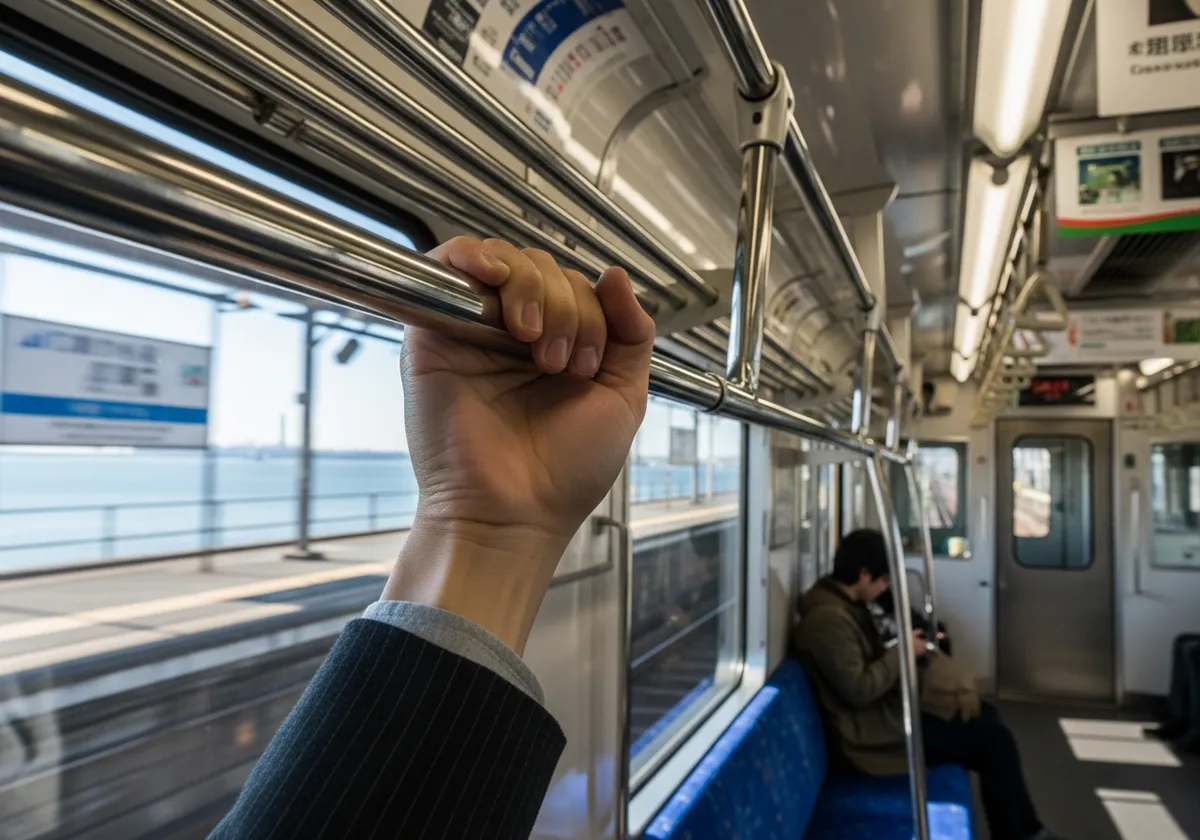
If you are buying in the southern Boso Peninsula, you will need a car, and that is simply the reality of rural train schedules. Train service south of Chiba city becomes progressively less frequent, with some stretches of the Uchibo and Sotobo lines running only one or two trains per hour. This is standard for rural Japan and should not be a dealbreaker, but it is a cost and logistical factor to budget for. A used kei usata (veicolo leggero) può essere acquistata per ¥200,000 a ¥500,000, con costi annuali di assicurazione e shaken (ispezione) di circa ¥100,000.
Quanto costano realmente le proprietà
Andiamo oltre i numeri dei titoli e parliamo di cosa spenderete realmente per acquisire e rendere abitabile una proprietà akiya in Chiba. Questi intervalli si basano sui dati di mercato attuali e su scenari tipici di ristrutturazione.
Purchase Price Ranges (2026)
- Gratuite a ¥1 milioni. Available through municipal akiya banks, typically in the most rural southern areas. Expect significant renovation needs. These properties are usually listed because the owner wants to transfer maintenance responsibility.
- ¥1 milioni a ¥5 milioni. The sweet spot for southern Boso Peninsula properties. Detached houses, often with land, sometimes with ocean views. Condition varies from "needs everything" to "move in with basic cleaning."
- ¥5 milioni a ¥10 milioni. Better condition properties in central Chiba or well-located southern properties. More likely to have recent renovations or to need only cosmetic work.
- ¥10 milioni a ¥20 milioni. Properties in the northern commuter belt, newer construction, or renovated properties in desirable Boso locations close to surf spots or scenic coastline.
Costi di acquisto oltre il prezzo di acquisto
Japan's property transaction costs add roughly 5% to 8% on top of the purchase price for an akiya-range property, though on the cheapest properties the fixed-yen items below can eat a far bigger share. Here is the breakdown.
- Imposta sull'acquisizione immobiliare (不動産取得税, fudōsan shutoku-zei). 3% of assessed value for residential properties and land, a reduced rate in effect through March 2027. The assessed value is typically lower than the purchase price, so budget from that figure rather than the sale price.
- Tassa di registrazione e licenza (登録免許税, tōroku menkyo-zei). A reduced rate of 1.5% for land and 0.3% for a qualifying primary residence building is in effect through March 2029; the standard rate without those reductions is 2%.
- Imposta di bollo (印紙税, inshi-zei). ¥1,000 a ¥10,000 for most akiya-range purchases, based on contract value.
- Onorari dello scrivano giudiziario. ¥100,000 a ¥200,000 per la gestione della documentazione di registrazione. Uno scrivano giudiziario (shiho shoshi) is required for property registration in Japan, and this fee barely moves whether the house costs ¥3 milioni oppure ¥30 milioni.
- Agent's Fee. Up to 3% + ¥60,000 + consumption tax, under the standard scale. For a property at or under ¥8 milioni, the cap drops to a flat ¥300,000 + tax per side. For lower-value akiya, agents sometimes charge that flat fee instead of the percentage.
Foreign buyers face the same tax rates as Japanese buyers. Japan imposes no additional surcharges on foreign property purchases, though qualifying for some reduced rates can be more difficult without Japanese residency documentation.
Why a cheap house can carry the heavier percentage. The scrivener fee and the brokerage cap barely scale with price. On a ¥3 milioni akiya, the agent's fee and scrivener alone can already run close to a sixth of the purchase price before the acquisition tax bill even arrives. Budget in yen, not in a flat industry percentage.
Budget per la ristrutturazione
This is where realistic planning matters most. A common mistake is budgeting heavily for the purchase and leaving too little for renovation. For a typical Chiba akiya that has been vacant for several years, budget roughly as follows.
- Abitabilità di base (roof repair, plumbing, electrical, pest treatment). ¥1 milioni a ¥3 milioni
- Modernizzazione confortevole (kitchen, bathroom, flooring, insulation). ¥3 milioni a ¥7 milioni
- Ristrutturazione completa (structural work, complete interior refit, earthquake retrofitting). ¥7 milioni a ¥15 milioni
A practical rule of thumb. Budget at least the same amount for renovation as you spend on the purchase. A ¥3 milioni casa con un budget di ristrutturazione di ¥3 milioni dà un risultato molto migliore di una ¥6 milioni casa che non necessita di lavori, e ottieni una casa personalizzata secondo le tue esigenze.
Sussidi Comunali e Banche Akiya
Molti comuni di Chiba vogliono attivamente nuovi residenti e offrono incentivi finanziari per attirarli. Questi programmi cambiano annualmente, quindi verifica sempre la disponibilità attuale direttamente presso l'ufficio comunale, ma ecco come appaiono tipicamente questi programmi.
Banche Akiya (空き家 (akiya)バンク (akiya bank))
La maggior parte dei comuni nel sud e centro di Chiba gestiscono banche akiya, database di proprietà vacanti i cui proprietari le hanno registrate per vendita o affitto, spesso a prezzi inferiori a quelli di mercato. Queste differiscono dagli annunci immobiliari commerciali in quanto sono facilitate dal governo e talvolta includono proprietà disponibili per trasferimento gratuito o quasi gratuito.
Per accedere alle banche akiya di Chiba, inizia con l'aggregatore nazionale presso il Zenkoku Akiya Bank (全国版空き家バンク, zenkoku-ban akiya bank) portal, which links to individual municipal databases. Each municipality manages its own listings and application process; our own guide to every akiya bank in Japan covers how to navigate them. Some municipalities require that buyers commit to residing in the property, while others allow vacation or investment use.
Sussidi per Ristrutturazione e Trasferimento
Typical subsidy programs available in Chiba municipalities include the following.
- Sovvenzioni per ristrutturazione. Usually covering 30% to 50% of eligible renovation costs, capped at ¥500,000 a ¥1,000,000 per proprietà. Alcuni comuni con strategie aggressive di depopolamento offrono fino a ¥2,000,000.
- Sussidi per adeguamento antisismico. Can cover up to 50% of seismic reinforcement costs, with caps ranging from ¥500,000 a ¥3,000,000. Particolarmente rilevante per le vecchie strutture in legno comuni nel mercato akiya.
- Incentivi al trasferimento. The national government's regional revitalization program (which we cover in detail here) offers substantial subsidies for people moving from Tokyo's 23 special wards to designated rural areas, up to ¥3 milioni per household plus per-child allowances. This one carries a real gate. It is open to Japanese nationals and to foreign residents holding permanent residency, the spouse status of a Japanese national or permanent resident, long-term resident status, or special permanent resident status. A standard work visa does not qualify. Chiba municipalities that participate in this program can offer it on top of their own local incentives.
- Sovvenzioni per l'efficienza energetica. Available for insulation upgrades, solar panel installation, and other energy improvements to older homes.
The renovation, earthquake, and energy grants above are generally open to any resident regardless of nationality, since most municipalities test residency and tax status rather than citizenship. The relocation incentive is the exception, with the residence-status gate described above. Across all of them, you will usually need to be registered as a resident of the municipality, or planning to register, which means holding a valid residence status in Japan.
What the 2023 Revised Akiya Act Means for Buyers
Japan's approach to vacant houses changed with the revised Act on Promoting Measures to Address Vacant Houses (originally enacted in 2015), in force since 13 December 2023. Understanding this law matters because it directly affects both pricing dynamics and your obligations as a property owner.
Cambiamenti Chiave che Influenzano gli Acquirenti
La legge riveduta ha introdotto la categoria di "akiya mal gestiti" (管理不全空家) accanto all'esistente "casa vacante specificata" (特定空家, tokutei akiya) designation. Municipal governments now have three new powers.
- Designare proprietà trascurate that are not yet dangerous but are deteriorating. Owners who fail to improve the property after receiving guidance lose their residential land tax reduction, and property taxes can then increase three to six times.
- Semplificare le procedure di demolizione per case vacanti pericolose, rendendo più rapida l'esecuzione della surrogazione amministrativa (demolizione ordinata dal governo a spese del proprietario).
- Designare "Aree di Promozione dell'Utilizzo degli Akiya" dove alcune restrizioni del Building Standards Act sono allentate, rendendo più facile rinnovare e riconvertire vecchie case per nuovi usi come guesthouse, caffè o spazi di coworking.
Perché Questo Avvantaggia gli Acquirenti
La pressione fiscale creata dalla legge riveduta sta spingendo più proprietari riluttanti a vendere o regalare proprietà che hanno tenuto passivamente. Questo sta espandendo l'offerta di akiya disponibili, in particolare nei comuni che applicano attivamente le nuove disposizioni. Per gli acquirenti, ciò significa più inventario, venditori più motivati e, in alcuni casi, prezzi più bassi poiché i proprietari cercano di disfarsi delle proprietà prima di incorrere in carichi fiscali più elevati.
Al contrario, come acquirente, devi capire che l'acquisto di una proprietà non ti esenta da questi obblighi. Se acquisti un akiya e poi lo trascuri, affronti le stesse conseguenze fiscali crescenti. Prevedi un budget per la manutenzione o abbi un chiaro piano di ristrutturazione e utilizzo prima dell'acquisto.
Rischi e Considerazioni Onesti
Nessuna guida responsabile presenterebbe il mercato akiya di Chiba senza affrontare i rischi reali. Comprenderli in anticipo ti aiuterà a prendere decisioni migliori.
Esposizione ai Disastri Naturali
Chiba faces real natural disaster risks that directly affect property decisions.
- Earthquakes. Japan's J-SHIS national hazard map puts most of Chiba in its highest risk band, a 26% or greater chance of shindo 6-weak or stronger shaking within 30 years; Chiba City itself is rated at roughly 71%. Any pre-1981 wooden house (built before Japan updated its seismic building codes, a story we cover in detail in our piece on the earthquake that rewrote Japan's building codes) should be assessed for earthquake resistance, and retrofitting should be factored into your renovation budget.
- Tsunamis. Coastal Chiba's tsunami risk is modeled scenario by scenario rather than as one single probability, built around the historical 1703 Genroku and 1677 Enpo earthquakes and a modeled Boso-oki Nihonkaiko scenario. Elevation and distance from the coast are what actually matter for a given property; check both and review the municipal tsunami inundation map before committing.
- Typhoons. The 2019 Boso Peninsula Typhoon (Typhoon Faxai) damaged over 76,000 houses in Chiba by the fire agency's final count, and left parts of the prefecture without power for close to a month. Roof condition and storm preparedness should be priorities in any renovation plan.
Practical step. Prima di acquistare qualsiasi proprietà, richiedere la mappa dei rischi comunale (hazādo mappu) per l'area specifica. Queste mappe mostrano zone alluvionali, aree a rischio frane, proiezioni di inondazione da tsunami e percorsi di evacuazione. Sono gratuite e disponibili presso ogni ufficio comunale o cittadino.
Spopolamento Rurale
Southern Chiba, like much of rural Japan, is experiencing population decline. This is the fundamental force that creates akiya supply, and it also means that some areas may see reduced services, school closures, and fewer local businesses over time. When evaluating a property, consider the house itself, but also the trajectory of the surrounding community. Towns with active akiya bank programs and relocation incentives are generally signaling that they have the political will and budget to fight depopulation, which is a positive indicator.
Barriere Linguistiche
Mentre il Chiba settentrionale dispone di servizi multilingue grazie alla sua vicinanza a Tokyo e Narita, gli uffici comunali di Boso rurale, gli appaltatori e i vicini parleranno quasi esclusivamente giapponese. Se non parli giapponese, avrai bisogno di un agente bilingue o di un traduttore fidato per il processo di acquisto, la gestione della ristrutturazione e le interazioni comunali in corso. Lavorare con un agente autorizzato specializzato in transazioni con acquirenti stranieri, come Supporto Acquirenti Akiya Japan, il nostro agente partner autorizzato, può colmare questo divario e prevenire costosi fraintendimenti, in particolare per quanto riguarda le specifiche di ristrutturazione, le domande di permessi e la documentazione per i sussidi comunali.
Sorprese di Ristrutturazione
Older Japanese houses frequently contain asbestos in insulation and roofing materials, termite damage that is not visible during initial inspection, inadequate electrical wiring for modern appliances, and plumbing that does not meet current standards. Always arrange a professional building inspection (kenchiku bukken chōsa) prima dell'acquisto, anche se la proprietà sembra essere in buone condizioni. Il costo dell'ispezione di ¥50,000 a ¥100,000 è insignificante rispetto al costo di scoprire problemi strutturali dopo la chiusura. Our guide to the red flags to check before you buy goes through the rest of the pre-purchase checklist.
Le fasi della procedura di acquisto
For international buyers new to Japanese real estate, here is the practical sequence for acquiring an akiya in Chiba.
- Search and shortlist. Browse listings on platforms like Akiya Japan, municipal akiya banks, and Japanese real estate portals. Narrow to 3 to 5 serious candidates.
- Engage an agent. While akiya bank properties can sometimes be purchased directly from the municipality, having a licensed real estate agent (takkenshi) è fortemente raccomandato. Gestiscono la due diligence, negoziano e garantiscono la conformità legale. Per gli acquirenti stranieri, un agente con capacità bilingue è praticamente essenziale. Prenotare una consulenza con Akiya Japan Buyer Support is a practical first step; they specialize in helping international buyers through exactly this process.
- Property inspection. Visit in person if possible. Arrange a professional inspection. Check the hazard map. Talk to neighbors if you can.
- Purchase agreement. Sign the sales contract (baibai keiyaku), paga il deposito (tipicamente da 5% a 10%) e paga l'imposta di bollo.
- Due diligence period. Your agent and judicial scrivener verify the title, check for liens, confirm boundaries, and prepare registration documents.
- Settlement. Pay the balance, receive the keys. The judicial scrivener files for title transfer at the Legal Affairs Bureau.
- Post-purchase registration. Register your ownership with the municipal tax office. If you plan to claim renovation subsidies, apply before starting renovation work; most programs require pre-approval.
- Ristrutturazione. Engage local contractors. If applying for earthquake retrofitting or renovation subsidies, ensure the work plan meets the municipal requirements.
The entire process from offer to settlement typically takes 1 to 3 months. Foreign buyers without Japanese residency can purchase property, since Japan places no restrictions on foreign property ownership, but will need to meet additional documentation requirements. Non-resident buyers do need to file a report with the Bank of Japan within about 20 days of acquisition under foreign exchange law, an administrative step rather than a barrier to ownership.
Perché Chiba, Perché Ora
Several converging factors make 2025 and 2026 a particularly interesting window for Chiba akiya buyers.
- Lo yen rimane storicamente debole, rendendo le proprietà giapponesi eccezionalmente convenienti per gli acquirenti che detengono USD, EUR, GBP o AUD. Una proprietà al prezzo di ¥5 milioni costs a fraction of what comparable coastal property costs in most developed countries. The jpy figures throughout this guide convert live to your own currency; use the globe control at the top of the page if you want to switch which currency they show.
- The revised Akiya Act is expanding supply. As tax penalties on neglected properties take effect, more owners are choosing to sell rather than face multiplied property tax bills. This is a multi-year trend that is still accelerating, and Chiba's own vacant-house count, now a record 394,100, reflects it.
- Current tax incentives are time-limited. The reduced real estate acquisition tax rate (3% instead of 4%) and stamp duty reductions run to March 2027, and the reduced registration tax rate on land and qualifying homes runs to March 2029. Buying before these expire saves real money.
- Infrastructure improvements continue. Chiba is benefiting from ongoing investment in the Keiyo Line and other commuter rail improvements. The post-Olympic development of the Ichinomiya and wider Boso coast area continues to add amenities without destroying the area's character.
- Remote work has changed the equation. The shift toward hybrid and remote work models means that a property in southern Chiba is no longer limited to retirees and vacation buyers. If you can work remotely for all or most of the week, a Boso Peninsula home with occasional Tokyo commutes becomes practical.
Cosa Rende Diverso Chiba
Chiba non è la prefettura più economica del Giappone per un akiya. Non è la più drammatica o degna di Instagram. Quello che è, costantemente, è la più pratica, la prefettura dove qualità della vita, accesso a Tokyo, connettività internazionale tramite Narita, bellezza naturale e convenienza si sovrappongono in modo più completo che quasi in qualsiasi altra parte del paese.
I dati lo confermano. Quando le persone navigano da lontano, sognano rifugi di montagna in Nagano o fughe tropicali in Okinawa. Quando diventano seri e iniziano a salvare proprietà nelle loro liste, continuano a tornare a Chiba. Il divario tra la popolarità di Chiba tra gli acquirenti attivi reali e la sua quasi totale assenza dalla copertura immobiliare in lingua inglese è uno dei punti ciechi più sconcertanti nella scrittura immobiliare giapponese.
Questa guida è un punto di partenza. Il passo successivo è sfogliare gli annunci attuali di Chiba, identificare le aree che corrispondono alle tue priorità e iniziare a costruire un'immagine di ciò che il tuo budget può realisticamente raggiungere. Le proprietà ci sono. Le infrastrutture ci sono. La comunità sta crescendo lentamente ma costantemente. L'unica cosa che manca è stata un'informazione chiara in lingua inglese. I dati puntano verso Chiba da anni.