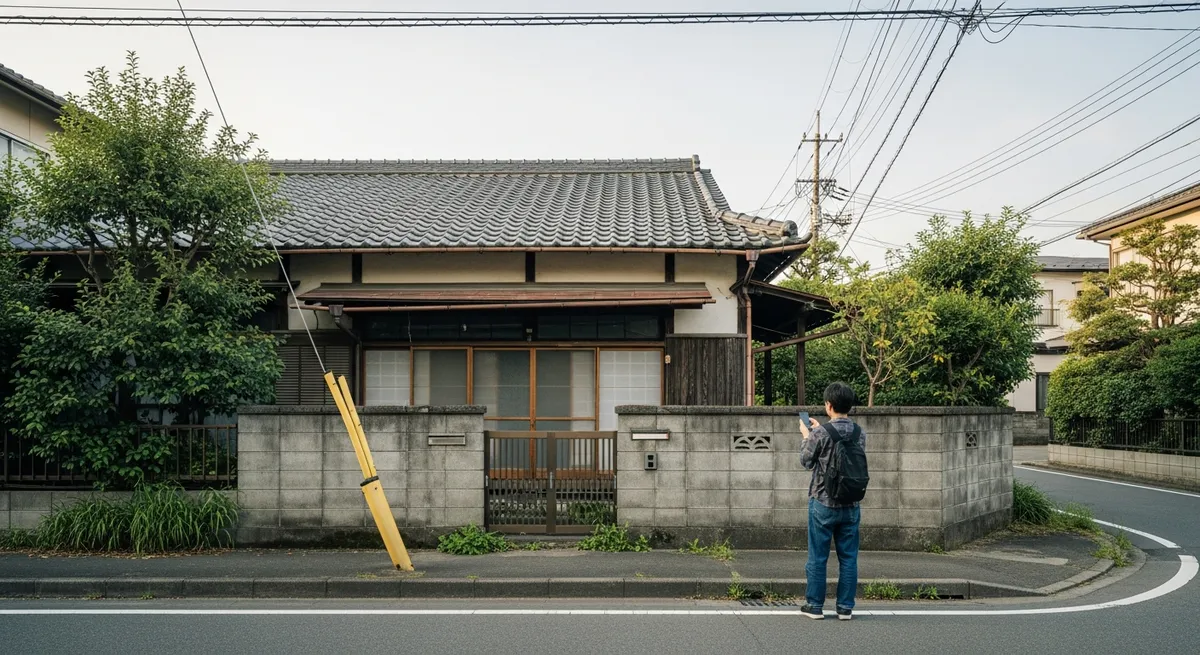
Yes, one-yen houses in Japan are real. You can buy a house for ¥1, roughly one US dollar, and people do it every year. But the yen is the smallest number in the whole deal, and anyone selling you the dream on that headline alone is leaving out the part that actually costs money. Here's the short version: what a one-yen house is, why it got priced that low, what you really pay, and when it is a smart buy instead of a trap.
What a One-Yen House Actually Is
A one-yen listing is a real property, usually an old detached house, sold for a symbolic price of ¥1 because the owner wants out more than they want money. It is not a scam and it is not charity. It is a transfer of liability dressed up as a sale.
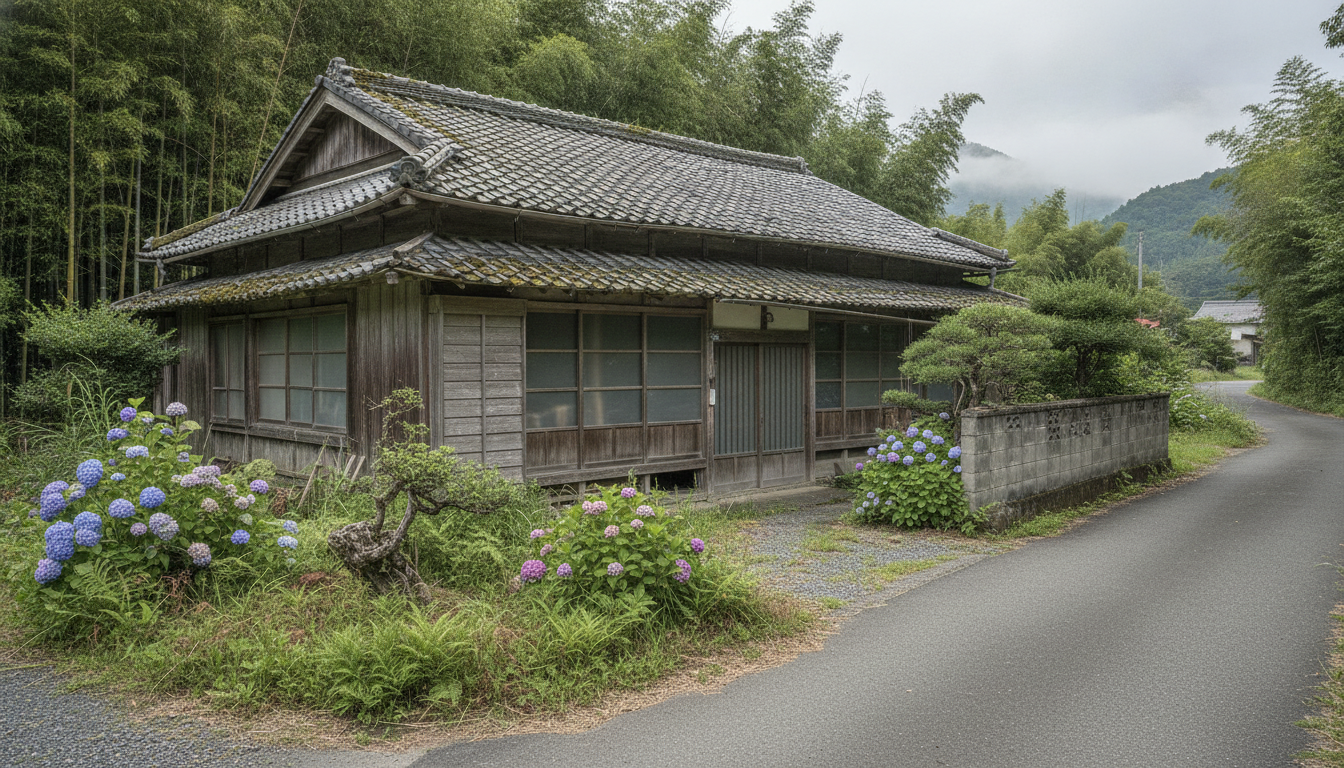
Most of these are akiya, the vacant houses that now make up close to 14% of Japan's housing stock according to the 2023 Housing and Land Survey. When an owner dies, the heirs often live in Tokyo or abroad and inherit a rural house they will never live in. It still carries annual property tax, upkeep, and, since the 2015 Vacant House Special Measures Act, the risk that the municipality declares it a hazard and strips its tax break. At that point the house is a cost with no buyer, so the owner prices it at one yen to make it someone else's problem.
So when you see ¥1, read it as a signal. Somebody with more local knowledge than you decided this house was worth less than the tax bill on it. That does not mean you should walk away. It means you should find out why before you fall in love with the photos.
Why a House Ends Up Priced at One Yen
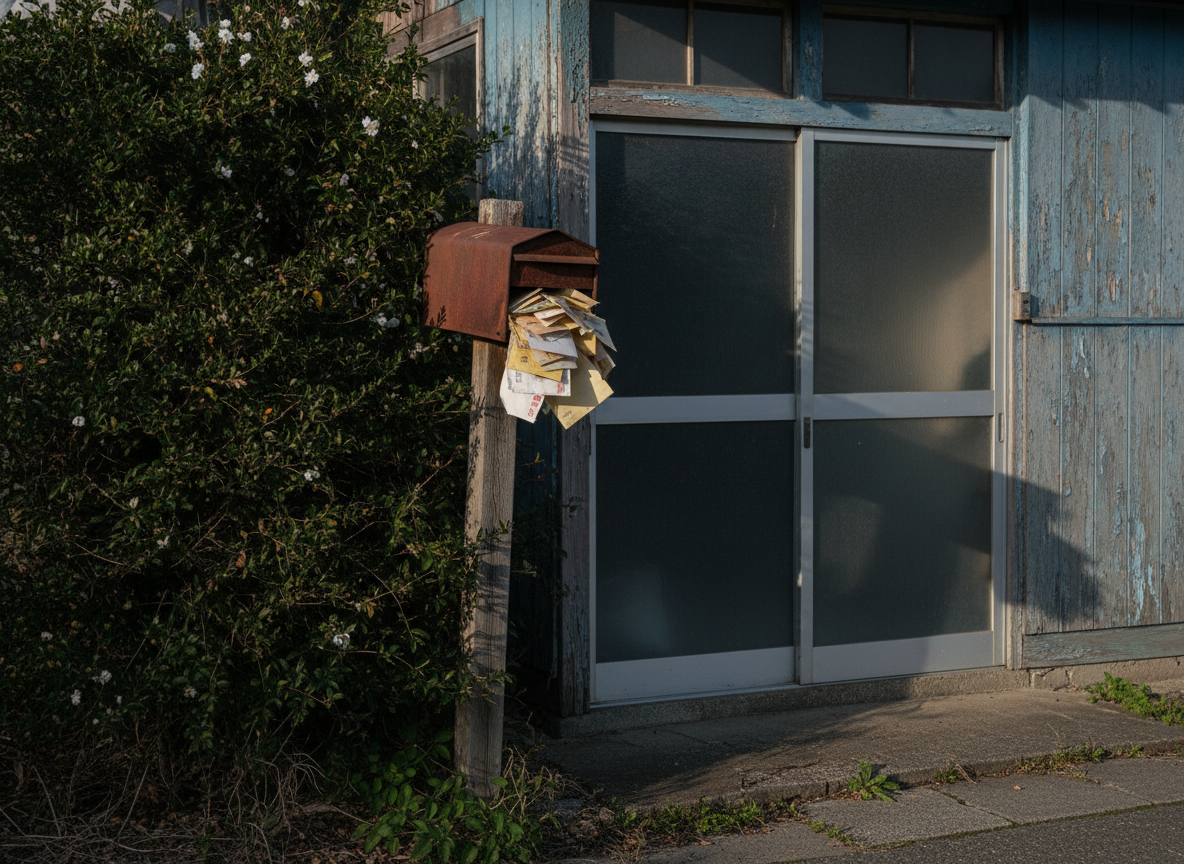
The one-yen price is almost always one of these situations:
- Inherited and unwanted. Heirs want the tax liability gone and have no time to manage a sale from another city.
- Failed on the akiya bank. The house sat on a municipal akiya bank for months at a low price with no takers, so the owner dropped it to symbolic.
- Structural or access problems. The house may sit on a narrow lane a truck cannot reach, on a slope, or need work the owner cannot fund.
- A giveaway with strings. Some municipalities effectively give houses away to attract residents, but attach conditions: live there full time, renovate within a set period, or run a business.
None of these are automatically dealbreakers. A structurally sound inherited house in a village that just wants new residents is a very different buy from a subsiding house on an unpaved lane. The one-yen tag does not tell you which one you are looking at. The inspection does.
The Real Numbers: What You Pay Past the Yen
Here is where the one-yen story meets reality. The purchase price is one line. These are the others.
| Cost Item | Typical Range |
|---|---|
| Registration and license tax | ¥30,000 to ¥100,000 |
| Judicial scrivener (shihoshoshi) to transfer title | ¥50,000 to ¥150,000 |
| Building inspection before you commit | ¥30,000 to ¥80,000 |
| Renovation to livable condition | ¥3,000,000 to ¥15,000,000 |
| Annual property tax, insurance, upkeep | ¥150,000 to ¥400,000 per year |
The renovation line is the one that decides everything. A house that needs a new roof, rewiring, plumbing, and structural reinforcement can cost more to fix than a move-in-ready house would cost to buy outright. That is the whole catch in one sentence: a one-yen house is cheap to acquire and expensive to make livable. If you have the budget and the appetite for a project, that trade can work in your favour. If you are hoping to spend a dollar and move in next month, it will not.
Where the One-Yen Houses Actually Are
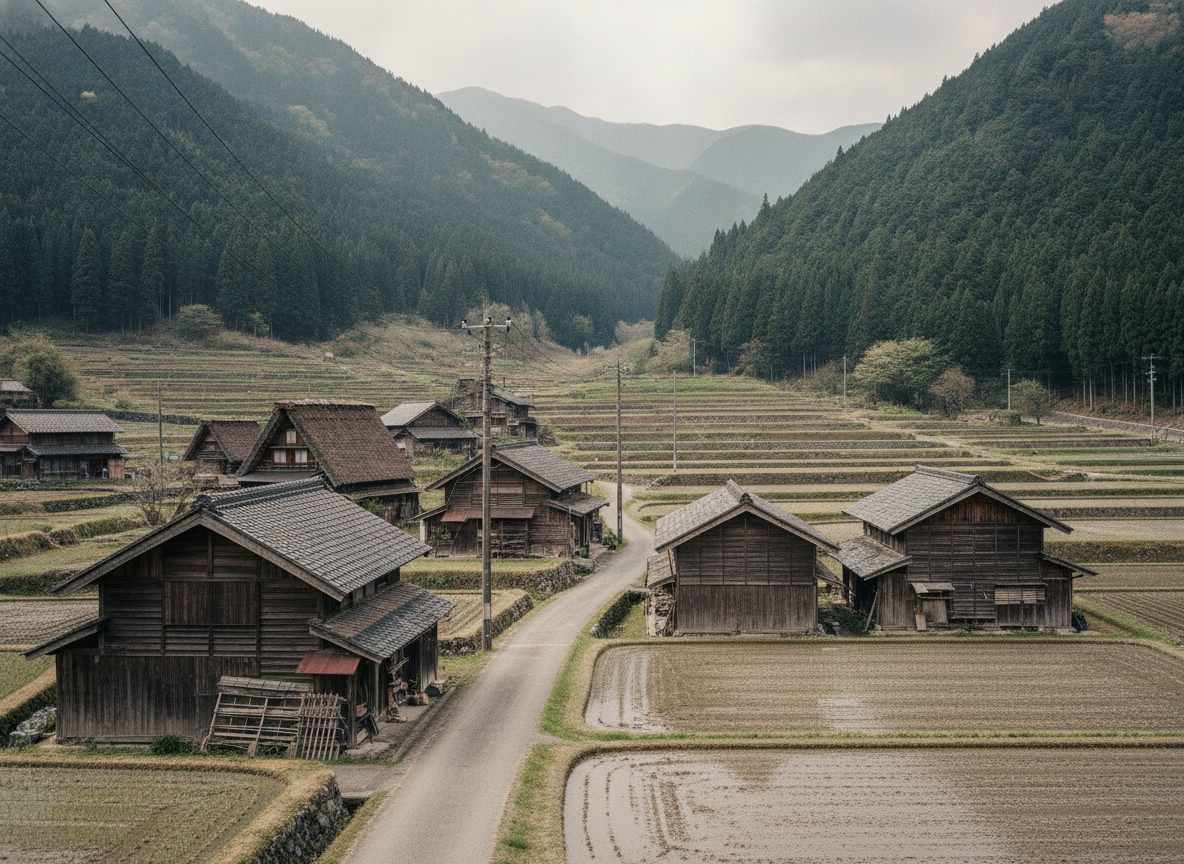
They are not in the places people fantasise about. You will not find a one-yen house a short train ride from Shibuya. They cluster where the population is falling fastest and the akiya rate is highest: the northern and rural prefectures, mountain valleys, and small towns off the main rail lines.
The strongest hunting grounds are places like Tochigi, Nagano, Niigata, Wakayama, and the mountain districts of Gifu. In the far north, wide swathes of Hokkaido carry very cheap stock, and in Kyushu, parts of Kagoshima and Oita do the same.
The trade you are making is location for price. These houses are cheap because fewer people want to live near them, which is the same reason the akiya exists in the first place. If remote countryside is the point of the move, this works. If you need a station, a hospital, and a supermarket within ten minutes, widen your budget and narrow your map.
The Catch: Conditions Attached to Symbolic-Price Homes
When a municipality is behind the low price, expect strings. The common ones:
- Residency requirements. You may have to register the house as your primary residence and actually live there, not use it as a holiday home.
- Renovation deadlines. Some programs require you to bring the house up to a standard within one to three years.
- Age or family conditions. A handful of revitalisation schemes favour younger buyers or families with children.
- Community obligations. Rural neighbourhoods run on the local jichikai (residents' association), with dues, shared cleaning days, and festival duties. This is social, not legal, but ignoring it makes life hard.
For a foreign buyer, none of these block a purchase, but they change what you are signing up for. A one-yen house tied to a five-year residency condition is not an investment you flip. It is a commitment to live somewhere specific. Read the program terms before the listing photos.
One Yen vs Actually Cheap: Which Is the Better Buy
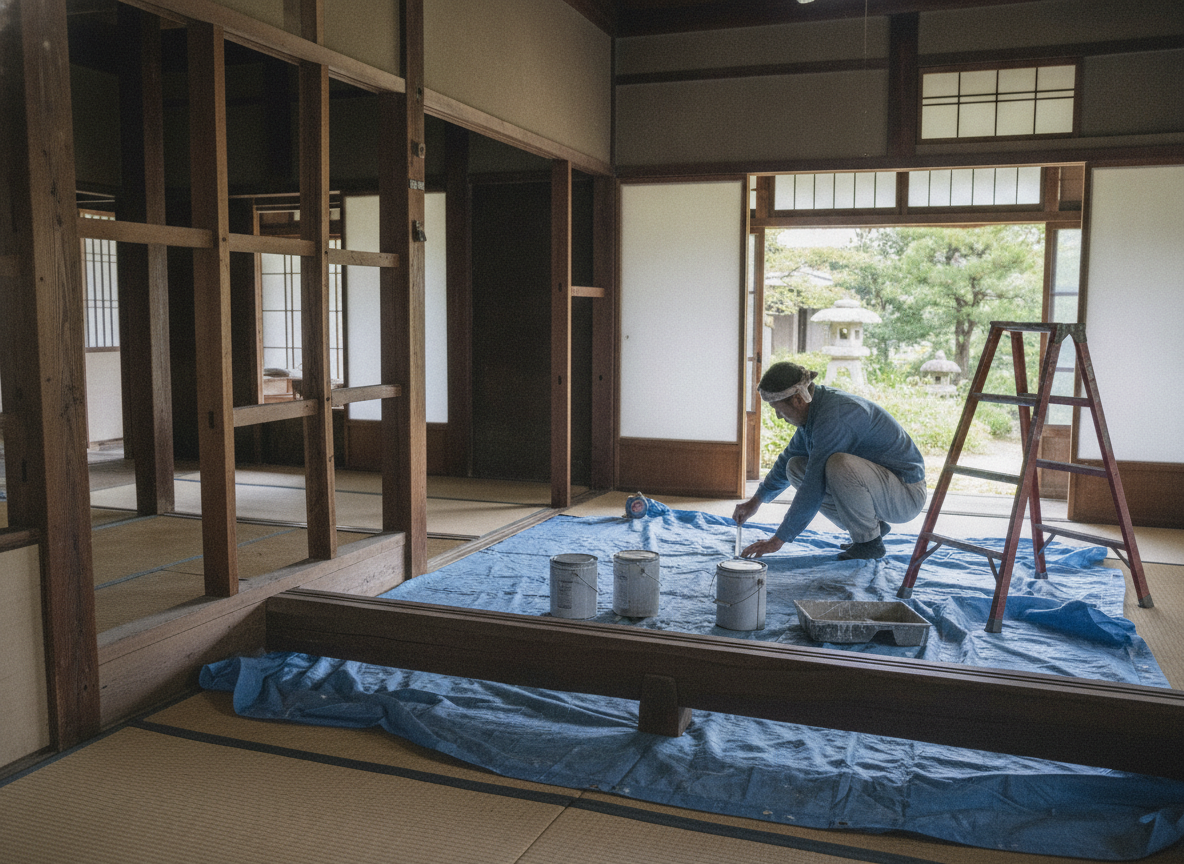
Here is the part most one-yen articles skip. For a lot of buyers, a cheap house beats a symbolic one.
A house in the ¥1,000,000 to ¥5,000,000 range, which is still cheap by any Western standard, often comes with something the one-yen house lacks: documented condition, a cleaner title history, no program strings, and a renovation scope you can plan around. You pay something upfront, but you skip the worst-case surprise of a ¥1 house that needed full structural work. Run the total cost of ownership, purchase plus renovation plus fees, and the modestly priced house frequently wins.
The one-yen house makes sense when you have a renovation budget, patience, and a reason to be in that exact village. The cheap-but-not-free house makes sense when you want a livable home without a construction project. Both are real routes into the market. Neither is the one the headlines sell.
Red Flags to Walk Away From
- No inspection allowed. If you cannot get a building surveyed before committing, assume the worst about what is hidden.
- Unclear title or shared inheritance. A property split between several heirs can stall a transfer for months. Confirm who legally owns it.
- Access a vehicle cannot reach. A house at the end of a footpath means every renovation material is carried in by hand, and the cost reflects it.
- Serious slope or subsidence. Ground movement and hillside foundations turn a cheap house into an open-ended bill.
- Program terms you cannot meet. If the low price depends on a residency or renovation condition you will not honour, the deal is not for you.
FAQ: Quick Answers
Can a foreigner buy a one-yen house in Japan?
Yes. Japan places no nationality restriction on property ownership. A foreigner can buy freehold, one-yen houses included. What you cannot always get easily is a mortgage without residency, but at these prices most buyers pay cash.
Is the one-yen price a trick?
No, the price is genuine. The trick is only in the framing: the yen is real, but it is a small fraction of what you spend to own and fix the house. Acquisition costs, renovation, and annual taxes are the real budget.
How cheap can renovation actually be?
A light cosmetic refresh on a structurally sound house can run ¥800,000 to ¥3,000,000. A full renovation with roof, wiring, plumbing, and reinforcement more commonly lands at ¥5,000,000 to ¥15,000,000. The inspection tells you which end you are at. Our breakdown of what ¥5 million actually buys shows where a mid-range budget goes.
Do I have to live in it?
Only if the seller or municipality attaches a residency condition, which many symbolic-price giveaways do. A privately listed one-yen house from an heir usually has no such requirement.
Where do I find legitimate one-yen and cheap listings?
Municipal akiya banks are the primary source, one town at a time. Aggregators that consolidate listings across sources save the research. You can browse cheap houses in Japan filtered by price and region, and read the wider picture in our guide to whether Japanese houses are really free.
The Verdict
One-yen houses in Japan are real, and the transfers really happen. What the headline hides is that ¥1 is the purchase price, not the cost. Add acquisition fees, a renovation that usually runs into the millions of yen, annual taxes, and, on giveaway schemes, conditions on how you live. Treated honestly, a one-yen house is a renovation project with a symbolic entry fee, not a dollar home you move into.
If that is what you want, a real project in a real village, the one-yen route is one of the cheapest ways into property ownership anywhere. If you want a livable home without the construction, aim for the low millions of yen instead and skip the surprises. Either way, the smart move is the same: see the house, get it inspected, price the full job, and decide with the real number in front of you, not the one on the headline.
Prices in this guide are shown in yen because exchange rates move; your own currency is calculated live next to each figure. Use the globe control at the top of the page to change it.