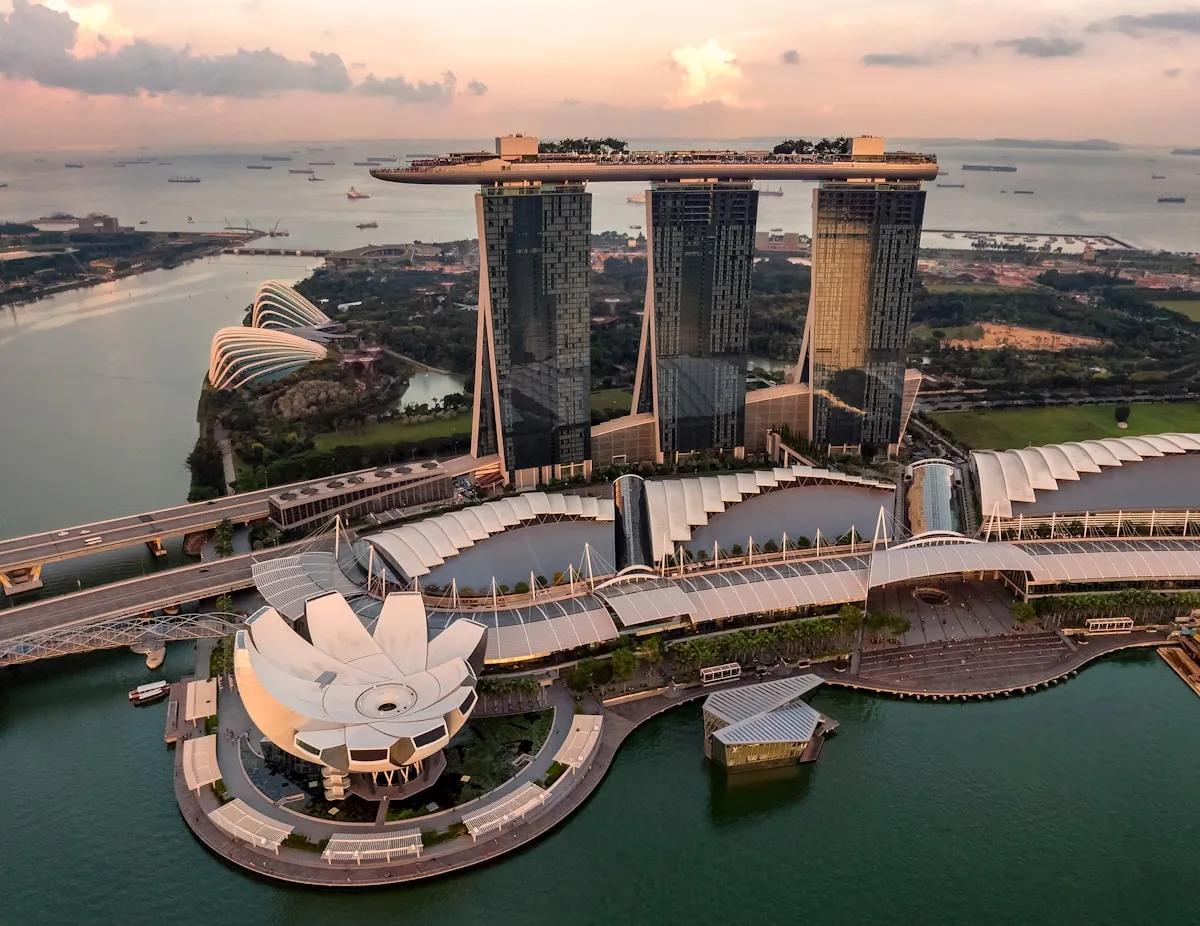
Somewhere in the last two years, Singaporeans quietly became one of the biggest groups of foreign buyers of Japanese property. At one Tokyo-based investment firm, FM Investment, buyers from Singapore went from about 30% of transactions to roughly half in a single year, overtaking Hong Kong. That's not a blip. It's a structural shift, and it starts with a number that has nothing to do with Japan at all: 60%.
That's Singapore's Additional Buyer's Stamp Duty (ABSD) rate for foreigners, and even for many citizens buying a second home the surcharge runs high. A Singaporean who already owns the family flat and wants a second property at home hands a punishing slice of the price to the state before they've painted a single wall. Buy in Japan instead and that surcharge disappears, because Japan has no equivalent tax and no restriction on who can own land. So the question stops being "why Japan" and becomes "what in Japan, and for whom." This article is about the people running those searches: who they are, what they type into the filters, where they end up looking, and why.

Central Tokyo. Prime apartments here sell for a fraction of what a Singapore condo costs per square metre, and buyers get freehold rather than a 99-year lease. Photo: Aleksandra Zadiraka / Pexels
The math that pushes Singapore money out
To understand what Singaporean buyers want in Japan, you have to start with what they're leaving behind. Three things about home shape every search.
First, the tax wall. Singapore's ABSD for foreign buyers sits at 60%, unchanged since April 2023 and left alone again in Budget 2026. Only nationals of a handful of countries with free-trade agreements (the United States, Switzerland, Norway, Iceland and Liechtenstein) escape it. For everyone else, a second or third property at home is a capital-inefficient move. Japan charges no such surcharge, so the same cash goes much further.
Second, tenure. Most Singapore condos and HDB flats are 99-year leasehold. You're buying a long lease, and the clock is always running down. In Japan you buy freehold. The land and the building are yours to keep or pass on, with no lease decaying under you. For a buyer who's spent a career watching lease-decay charts, freehold ownership of a real plot of land is a change in kind, not degree.
Third, price per square metre. Prime new condos in Singapore's core central districts average well above S$3,000 per square foot, and even city-fringe launches clear S$2,500. Central Tokyo tells a different story: existing apartments in the 23 wards average around ¥1,450,000 per square metre, and new-build central stock averages roughly ¥2,100,000, more in the priciest wards. Put both on the same footing and central Tokyo trades at somewhere between a third and a half of Singapore prime prices per unit of floor area. A Singaporean buyer looking at those numbers sees a G7 capital selling at a fraction of what home costs.
Layer the weak yen on top. Against the Singapore dollar, the yen has lost enough ground that buyers today get roughly 20% to 30% more property than they would have five years ago. The tax wall pushes, the exchange rate pulls, and freehold seals it.
Four kinds of Singaporean buyer
One thing to be straight about first. We're a search and listings platform, not the brokerage that closes the sale, so we can't tell you who actually buys what, or whether a given house ends up rented out or lived in. Those numbers sit with the agencies and investment firms that handle the transactions. What we can see is the searching itself, the filters people set and the listings they save from Singapore. Read as an impression rather than a statistic, that searching sorts into roughly four kinds, and each one is after something different.
1. The yield hunter
This is the search we see most, and the buyer Japanese investment firms court hardest with their weekend seminars. The yield hunter isn't moving to Japan. They want a small, tenant-ready apartment that pays rent in yen and, ideally, holds its value.
They search cities, not countryside. Osaka is the one that comes up most. Gross rental yields there sit around 5%, comfortably above Tokyo, where prices near record highs have compressed returns. Entry prices are lower too, so a buyer can own outright without a mortgage. Nagoya and Fukuoka draw the same kind of search for the same reason: real yield, manageable ticket size.
What they filter for: apartments over houses, proximity to a train line, and a price they can pay in cash. A yield hunter will often buy sight unseen, relying on photos, floor plans and a managing agent, because the sums are small enough that a flight to inspect a ¥25,000,000 studio eats the first year's return.
2. The lifestyle and second-home buyer
This buyer wants a place to be, not a place to rent out. Often wealthier, often older, they treat a Japanese property as somewhere to spend a few months a year and, quietly, as a hedge: a hard asset held in a different currency, in a stable country, that the kids can inherit.
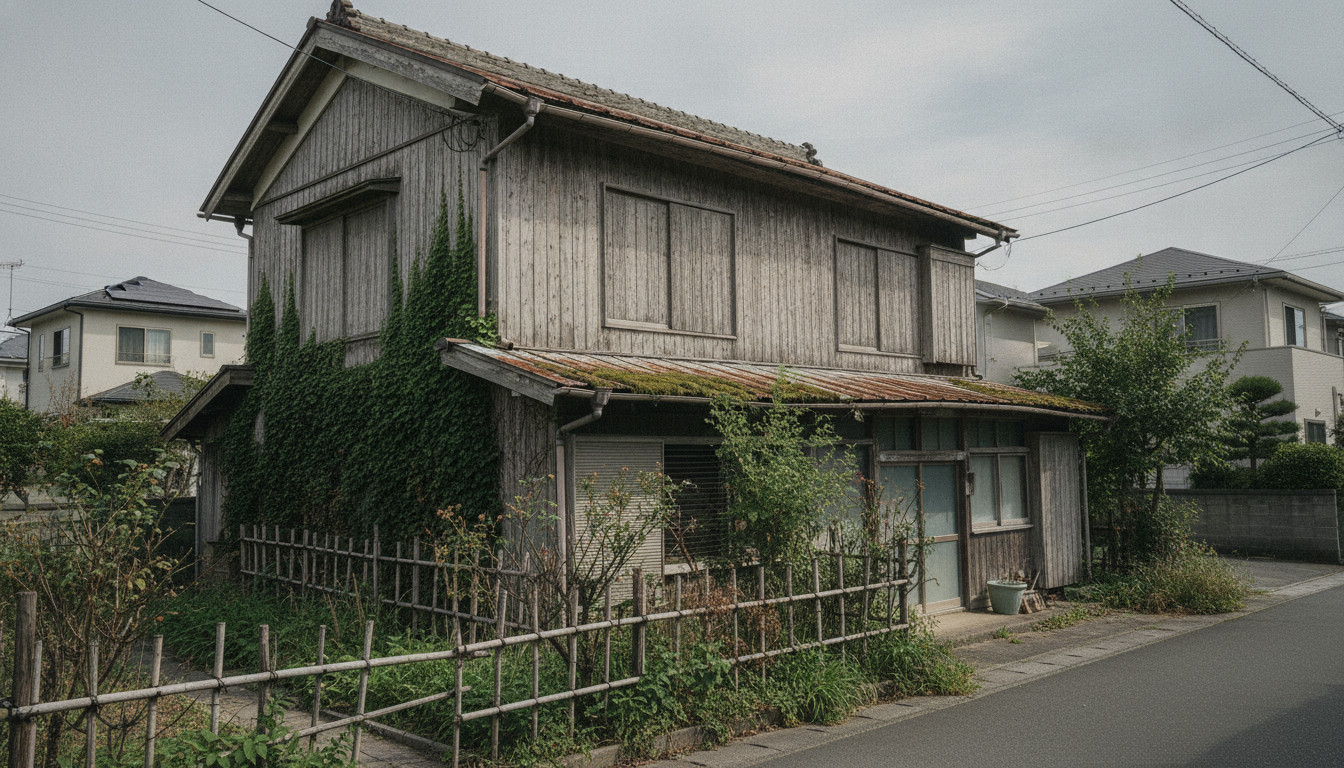
Their searches skew toward resort and scenery. Niseko, in Hokkaido, is the headline destination, powder snow, an international dining scene and a rental market that fills every winter. But plenty look at Kyoto townhouses, coastal towns within reach of an airport, or an 空き家 (akiya, an empty house) they can restore into a holiday base. For this group the freehold point matters most of all, because the whole idea is to own something for a generation.

The Amanohashidate coast on the Sea of Japan. Lifestyle buyers often want a freehold coastal or resort base to keep for a generation, not a unit to flip. Photo: Ryutaro Tsukata / Pexels
3. The relocation and family-base buyer
A growing share of Singaporean interest isn't about return at all. It's about living in Japan, at least part of the time. Remote work, a spouse's job, a child starting at an international school, a plan to spend the later working years somewhere calmer. This buyer is trying to build a base.
They cluster where the infrastructure for foreigners already exists: Tokyo and Osaka above all, where international schools, English-speaking clinics and English-friendly transactions are thickest on the ground. Their filters look different: family-sized apartments or houses, school catchments, a commute that works. Owning a home here doesn't grant them a visa (that's a separate process, and a common misconception worth stating plainly), but it does give the relocation a fixed point.
4. The legacy and diversification buyer
The last group overlaps with the others but deserves its own name, because the motive is portfolio, not property. These are buyers who already hold Singapore real estate, some equities, maybe a REIT or two, and want an asset that doesn't move with the rest. A freehold Japanese apartment bought in yen does that. It sits in a G7 economy, it's denominated in a currency uncorrelated with theirs, and it hands down cleanly to the next generation.
For this buyer the specific city matters less than the fundamentals: freehold, liquid enough to sell later, in a market with real tenants. They'll happily look in Osaka or a strong regional city if the numbers hold up.
What they all look for once they're searching
Across those four types, a few filters come up again and again.
- Freehold, stated clearly. After a lifetime of leasehold, Singaporean buyers want the ownership type spelled out. Japanese listings almost always convey freehold land and building, but buyers still want it confirmed.
- Tenant-ready or lightly renovated. Cash buyers who won't fly in for works often prefer a unit that's already rentable over a deep 空き家 (akiya) project, unless restoring is the whole point (see the lifestyle buyer).
- Near a station. Walking distance to a train line is the single most repeated requirement, because it protects both rentability and resale.
- English support in the transaction. The buyers who move fastest are the ones who found an agent or platform that handles the paperwork in English and coordinates the 司法書士 (shihō shoshi, the judicial scrivener who registers the title).
- A price payable in cash. Most foreign buyers without residency can't easily get a Japanese mortgage, so ticket sizes cluster where cash purchase is realistic.

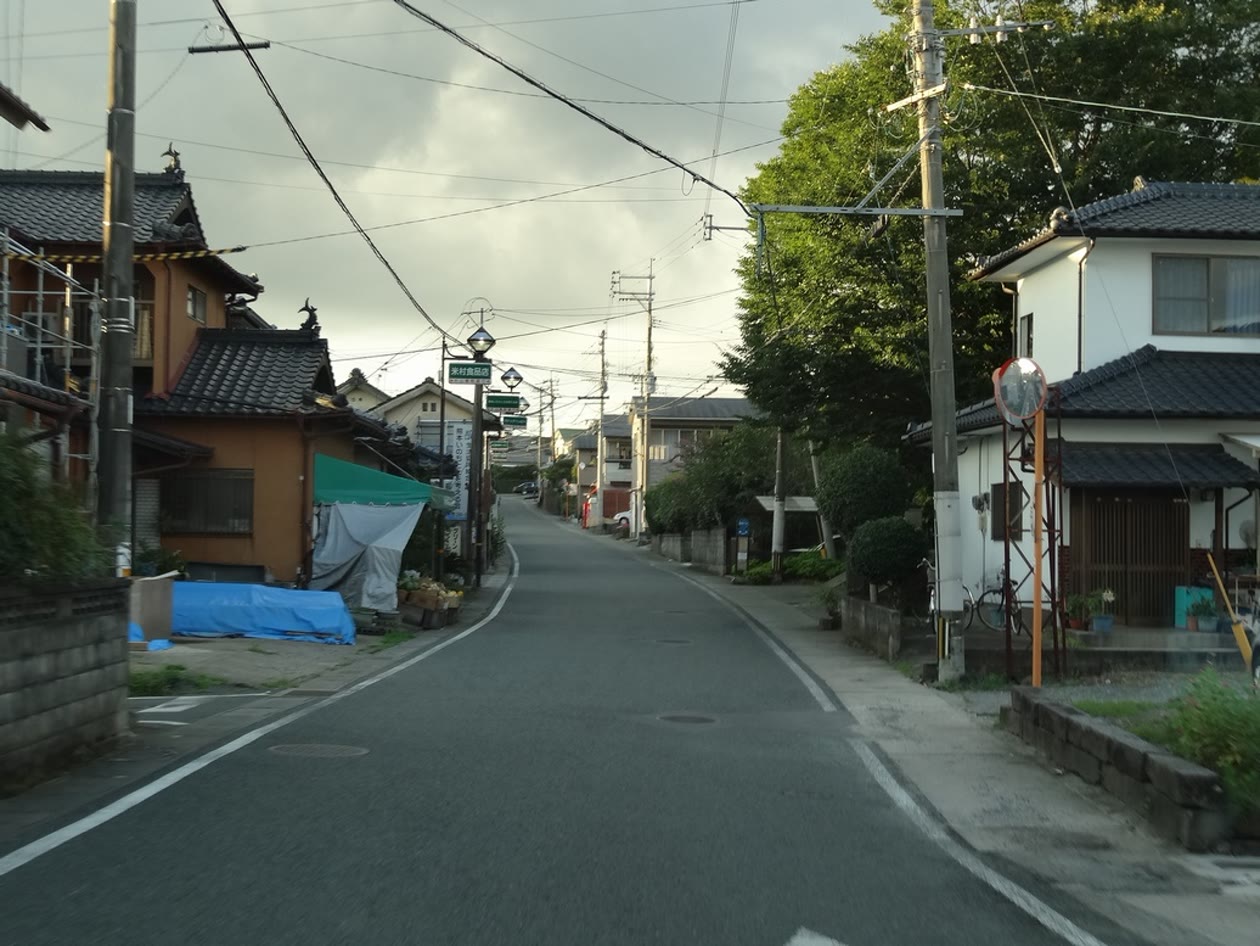
A commercial street in Tokyo. The tourism and daily footfall that keep streets like this busy are the same demand that fills short-stay and long-term rentals, the engine behind the yield story. Photo: Brittany Salatino / Pexels
Where the searching points
Plot the searches and they concentrate in a handful of places, each attached to a buyer type. This is the shape of what people look at and save, not a record of completed sales, so treat it as a read on interest rather than a transaction map.
Osaka is where the yield searching lands. Higher returns than Tokyo, lower entry prices, and a tourism engine (Dotonbori, the 2025 Expo aftermath, a coming integrated resort) that supports both long-term and short-stay rentals. For a cash buyer chasing 5%, it's the obvious first look.
Tokyo pulls the relocation searches and the trophy searches. Yields are thin because prices are high, but the depth of the market, the school infrastructure and the sheer liquidity keep it central to Singaporean plans. A family relocating almost always starts here.
Nagoya, Kyoto and Fukuoka round out the urban set. Nagoya for industrial-economy stability and yield, Kyoto for the townhouse-and-tourism play, Fukuoka for a fast-growing, comparatively cheap western hub.
Niseko and greater Hokkaido are the lifestyle and resort end, where a chalet or condo doubles as a holiday home and a winter rental.
And a quieter thread runs underneath all of it, the one that matters most if you're looking outside the big three cities: regional 空き家 (akiya) and country-town searches from people who want space, a project, or a coastal base at a price that would be unthinkable in Singapore. This interest is spread out rather than concentrated, but a few areas come up often, Kyushu around Fukuoka, the Nagano highlands beyond the ski resorts, the Seto Inland Sea, and rural Kansai. It reads as personal-use buying rather than yield, the searching of someone who wants a home in Japan more than a rent cheque. If you want the broader picture of where foreign capital tends to do best, our guide to the best regions for foreign investors maps it out.
The practical realities every Singaporean buyer should know
Japan being open doesn't make it frictionless. A few things surprise first-time buyers from Singapore.
There's no ABSD, but there are acquisition costs. You'll pay a real estate acquisition tax, registration and licence tax, a stamp duty on the contract, and agent commission (capped by law). Budget roughly 6% to 10% of the price on top for these one-off costs. Then there's an annual fixed asset tax and city planning tax every year you hold. None of it approaches Singapore's 60% surcharge, but it isn't zero. Our breakdown of what foreign owners actually pay in tax walks through the numbers.
Financing is hard without residency. Japanese banks rarely lend to non-resident foreigners, so most Singaporean buyers pay cash or arrange financing back home. If you're counting on a Japanese mortgage, read why Japanese banks won't finance your purchase and what to do instead before you commit.
Ownership is not residency. Buying a home gives you an asset, not a visa. If your plan is to live in Japan, the residency question runs on a completely separate track from the property purchase, and you should sort it first.
You can buy remotely, but you need people on the ground. A remote purchase leans on an English-speaking agent and the 司法書士 (shihō shoshi) who registers your title. For the legal and compliance side, working with a licensed brokerage that specialises in foreign buyers, like Akiya Japan Buyer Support, our licensed partner agent, can save time and prevent the expensive mistakes that come from misreading a contract in a language you don't own. You can book a consultation with Akiya Japan Buyer Support to talk through a specific property.
Confirming that foreigners really can own here, freely and permanently, is where most people start. If you haven't yet, our piece on whether foreigners can buy property in Japan settles it, and the practical guide for Singapore and Malaysia buyers covers the mechanics.
The mistakes to avoid
The buyers who regret their purchase usually made one of a few errors. They chased a rock-bottom price in a shrinking town with no rental demand, then couldn't fill or sell the place. They bought a cheap akiya expecting a light refresh and found structural work that doubled the cost. They assumed the listing yield was net when it was gross, before management fees, taxes and vacancy. Or they treated ownership as a shortcut to living in Japan and discovered the visa was a separate, harder problem.
The fix in every case is the same: match the property to your actual purpose. A yield hunter should underwrite net returns, not gross. A lifestyle buyer should budget the full renovation, not the hopeful one. A relocation buyer should solve the visa before the mortgage. Japan rewards buyers who know which of the four types they are.
Why this keeps growing
Investment into Japanese real estate hit a record ¥6.5 trillion in 2025, up about a third on the year, with overseas buyers among the biggest drivers, and CBRE expects 2026 to come close. Singapore's share of that is rising because the forces behind it aren't cyclical. The 60% tax wall at home isn't moving. Freehold ownership in a G7 country at a fraction of Singapore prices isn't a fad. And the weak yen, whenever it eventually turns, will have already handed a decade of buyers their entry point.
What Singaporean buyers want in Japan, in the end, is the thing the numbers at home won't give them: a real asset they own outright, in a stable place, at a price that leaves room to breathe. The four types just want it in four different shapes.
Prices and exchange rates in this article are indicative and move constantly. You can switch the currency shown across Akiya Japan using the globe control at the top of the page.
Sources
- South China Morning Post -- Singaporeans flock to Japan property as Tokyo, Osaka and weak yen lure buyers
- PropertyGuru Singapore -- ABSD rates guide for second property, PRs and foreigners
- Redbrick -- ABSD Singapore rates explained (2026)
- CBRE Singapore -- Japan Market Outlook 2026
- Jim Tay -- A Singaporean Investor's Guide to Japan Real Estate (2026)
- Global Property Guide -- Japan residential real estate market analysis 2026