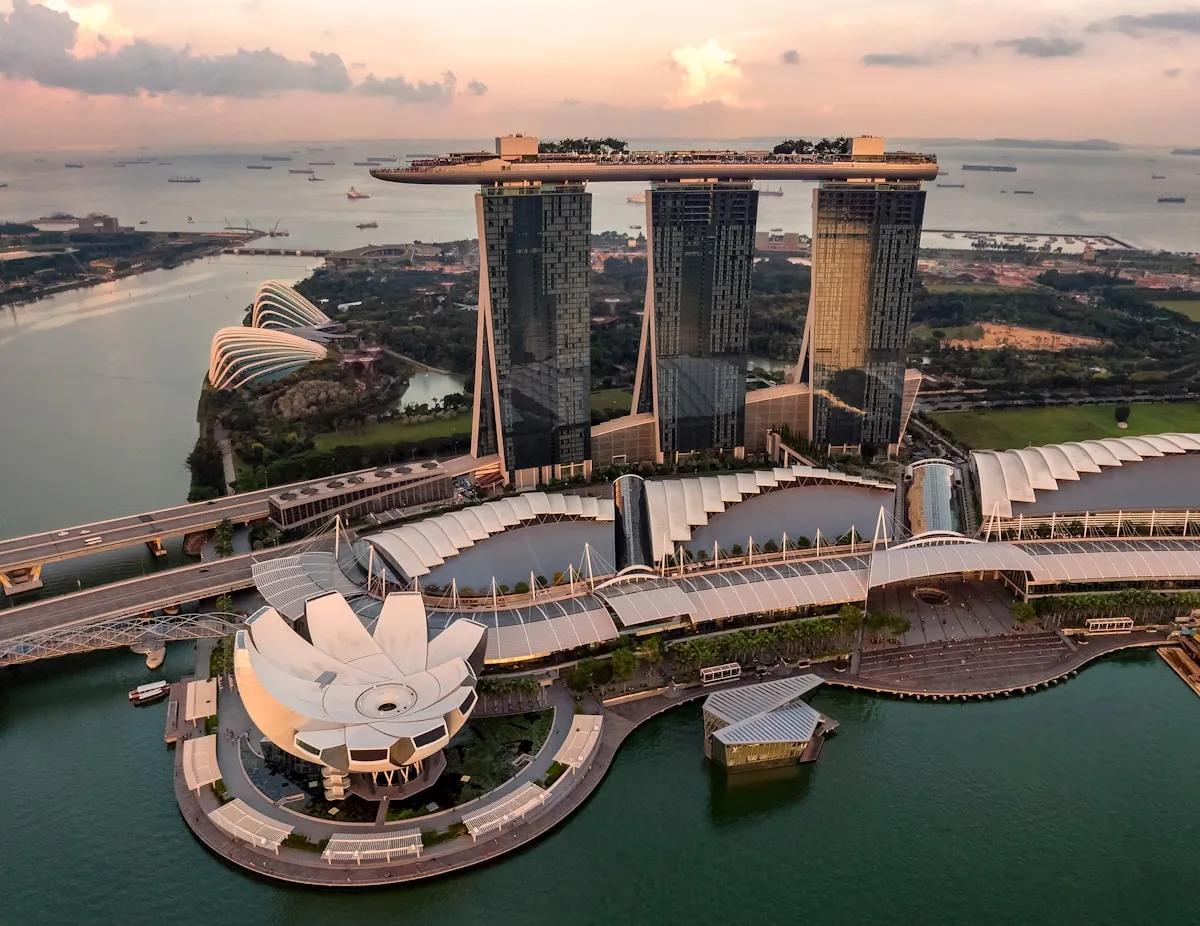
Somewhere in the last two years, Singaporeans quietly became one of the biggest groups of foreign buyers of Japanese property. At one Tokyo-based investment firm, FM Investment, buyers from Singapore went from about 30% of transactions to roughly half in a single year, overtaking Hong Kong. That's not a blip. It's a structural shift, and it starts with a number that has nothing to do with Japan at all: 60%.
That's Singapore's Additional Buyer's Stamp Duty (ABSD) rate for foreigners, and even for many citizens buying a second home the surcharge runs high. A Singaporean who already owns the family flat and wants a second property at home hands a punishing slice of the price to the state before they've painted a single wall. Buy in Japan instead and that surcharge disappears, because Japan has no equivalent tax and no restriction on who can own land. So the question stops being "why Japan" and becomes "what in Japan, and for whom." This article is about the people running those searches: who they are, what they type into the filters, where they end up looking, and why.

Central Tokyo. Prime apartments here sell for a fraction of what a Singapore condo costs per square metre, and buyers get freehold rather than a 99-year lease. Photo: Aleksandra Zadiraka / Pexels
The math that pushes Singapore money out
To understand what Singaporean buyers want in Japan, you have to start with what they're leaving behind. Three things about home shape every search.
First, the tax wall. Singapore's ABSD for foreign buyers sits at 60%, unchanged since April 2023 and left alone again in Budget 2026. Only nationals of a handful of countries with free-trade agreements (the United States, Switzerland, Norway, Iceland and Liechtenstein) escape it. For everyone else, a second or third property at home is a capital-inefficient move. Japan charges no such surcharge, so the same cash goes much further.
Second, tenure. Most Singapore condos and HDB flats are 99-year leasehold. You're buying a long lease, and the clock is always running down. In Japan you buy freehold. The land and the building are yours to keep or pass on, with no lease decaying under you. For a buyer who's spent a career watching lease-decay charts, freehold ownership of a real plot of land is a change in kind, not degree.
Third, price per square metre. Prime new condos in Singapore's core central districts average well above S$3,000 per square foot, and even city-fringe launches clear S$2,500. Central Tokyo tells a different story: existing apartments in the 23 wards average around ¥1,450,000 per square metre, and new-build central stock averages roughly ¥2,100,000, more in the priciest wards. Put both on the same footing and central Tokyo trades at somewhere between a third and a half of Singapore prime prices per unit of floor area. A Singaporean buyer looking at those numbers sees a G7 capital selling at a fraction of what home costs.
Layer the weak yen on top. Against the Singapore dollar, the yen has lost enough ground that buyers today get roughly 20% to 30% more property than they would have five years ago. The tax wall pushes, the exchange rate pulls, and freehold seals it.
Four kinds of Singaporean buyer
One thing to be straight about first. We're a search and listings platform, not the brokerage that closes the sale, so we can't tell you who actually buys what, or whether a given house ends up rented out or lived in. Those numbers sit with the agencies and investment firms that handle the transactions. What we can see is the searching itself, the filters people set and the listings they save from Singapore. Read as an impression rather than a statistic, that searching sorts into roughly four kinds, and each one is after something different.
1. The yield hunter
This is the search we see most, and the buyer Japanese investment firms court hardest with their weekend seminars. The yield hunter isn't moving to Japan. They want a small, tenant-ready apartment that pays rent in yen and, ideally, holds its value.
They search cities, not countryside. Osaka is the one that comes up most. Gross rental yields there sit around 5%, comfortably above Tokyo, where prices near record highs have compressed returns. Entry prices are lower too, so a buyer can own outright without a mortgage. Nagoya oraz Fukuoka draw the same kind of search for the same reason: real yield, manageable ticket size.
What they filter for: apartments over houses, proximity to a train line, and a price they can pay in cash. A yield hunter will often buy sight unseen, relying on photos, floor plans and a managing agent, because the sums are small enough that a flight to inspect a ¥25,000,000 studio eats the first year's return.
2. The lifestyle and second-home buyer
This buyer wants a place to be, not a place to rent out. Often wealthier, often older, they treat a Japanese property as somewhere to spend a few months a year and, quietly, as a hedge: a hard asset held in a different currency, in a stable country, that the kids can inherit.
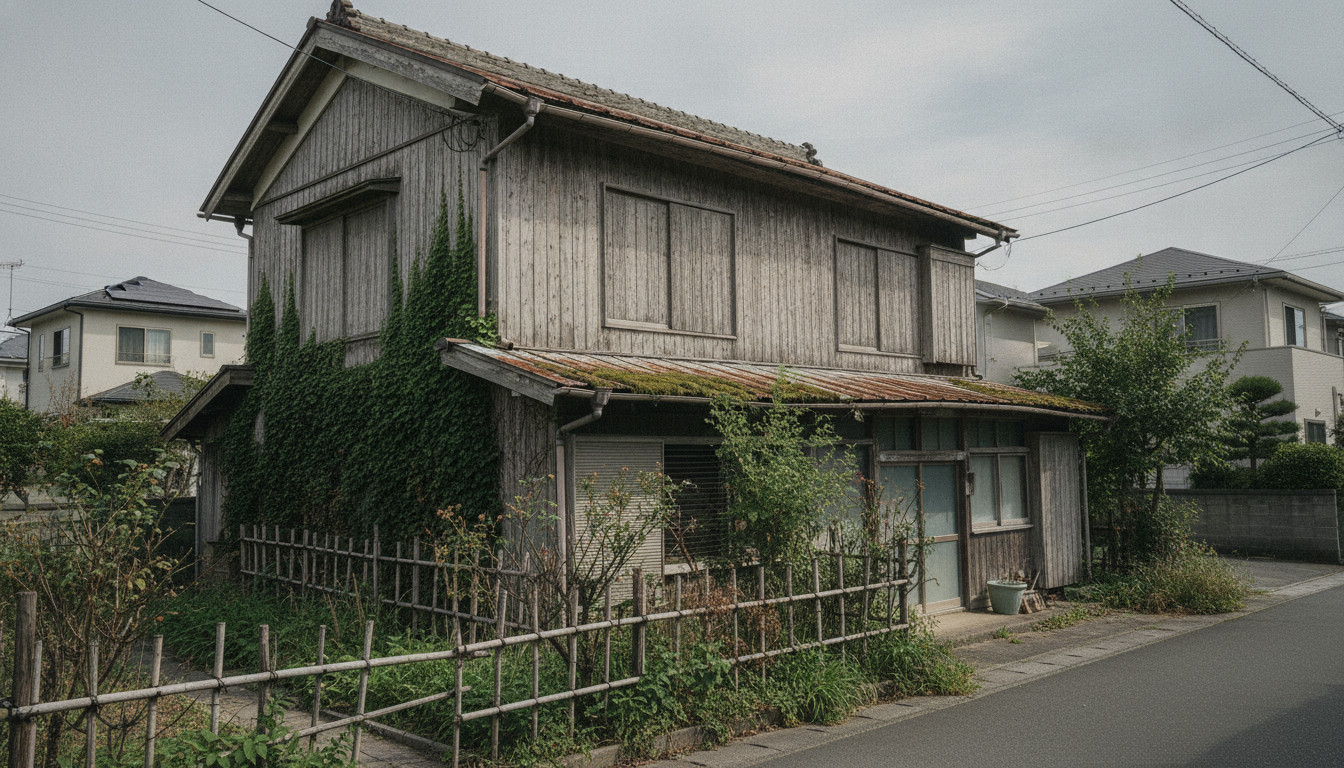
Their searches skew toward resort and scenery. Niseko, w Hokkaido, is the headline destination, powder snow, an international dining scene and a rental market that fills every winter. But plenty look at Kyoto townhouses, coastal towns within reach of an airport, or an 空き家 (akiya, an empty house) they can restore into a holiday base. For this group the freehold point matters most of all, because the whole idea is to own something for a generation.

The Amanohashidate coast on the Sea of Japan. Lifestyle buyers often want a freehold coastal or resort base to keep for a generation, not a unit to flip. Photo: Ryutaro Tsukata / Pexels
3. The relocation and family-base buyer
A growing share of Singaporean interest isn't about return at all. It's about living in Japan, at least part of the time. Remote work, a spouse's job, a child starting at an international school, a plan to spend the later working years somewhere calmer. This buyer is trying to build a base.
They cluster where the infrastructure for foreigners already exists: Tokyo oraz Osaka above all, where international schools, English-speaking clinics and English-friendly transactions are thickest on the ground. Their filters look different: family-sized apartments or houses, school catchments, a commute that works. Owning a home here doesn't grant them a visa (that's a separate process, and a common misconception worth stating plainly), but it does give the relocation a fixed point.
4. The legacy and diversification buyer
The last group overlaps with the others but deserves its own name, because the motive is portfolio, not property. These are buyers who already hold Singapore real estate, some equities, maybe a REIT or two, and want an asset that doesn't move with the rest. A freehold Japanese apartment bought in yen does that. It sits in a G7 economy, it's denominated in a currency uncorrelated with theirs, and it hands down cleanly to the next generation.
For this buyer the specific city matters less than the fundamentals: freehold, liquid enough to sell later, in a market with real tenants. They'll happily look in Osaka or a strong regional city if the numbers hold up.
What they all look for once they're searching
Across those four types, a few filters come up again and again.
- Freehold, stated clearly. After a lifetime of leasehold, Singaporean buyers want the ownership type spelled out. Japanese listings almost always convey freehold land and building, but buyers still want it confirmed.
- Tenant-ready or lightly renovated. Cash buyers who won't fly in for works often prefer a unit that's already rentable over a deep 空き家 (akiya) project, unless restoring is the whole point (see the lifestyle buyer).
- Near a station. Walking distance to a train line is the single most repeated requirement, because it protects both rentability and resale.
- English support in the transaction. The buyers who move fastest are the ones who found an agent or platform that handles the paperwork in English and coordinates the 司法書士 (shihō shoshi, the skryba sądowy who registers the title).
- A price payable in cash. Most foreign buyers without residency can't easily get a Japanese mortgage, so ticket sizes cluster where cash purchase is realistic.

A commercial street in Tokyo. The tourism and daily footfall that keep streets like this busy are the same demand that fills short-stay and long-term rentals, the engine behind the yield story. Photo: Brittany Salatino / Pexels
Where the searching points
Plot the searches and they concentrate in a handful of places, each attached to a buyer type. This is the shape of what people look at and save, not a record of completed sales, so treat it as a read on interest rather than a transaction map.
Osaka to miejsce, na którym kończą się poszukiwania wysokiej rentowności. Wyższe stopy zwrotu niż w Tokyo, niższe ceny zakupu i turystyka jako siła napędowa (Dotonbori, efekty Expo 2025, planowany zintegrowany kompleks wypoczynkowo-rozrywkowy) wspierają zarówno najem długoterminowy, jak i krótkoterminowy. Dla kupującego za gotówkę, który szuka 5%, to oczywisty pierwszy wybór.
Tokyo przyciąga osoby planujące przeprowadzkę oraz szukające prestiżowych nieruchomości. Rentowność jest niska ze względu na wysokie ceny, ale rozbudowany rynek, infrastruktura szkolna i duża płynność sprawiają, że miejsce to pozostaje ważnym punktem w planach Singapurczyków. Rodzina planująca przeprowadzkę niemal zawsze zaczyna tutaj.
Nagoya, Kyoto oraz Fukuoka uzupełniają zestaw miast. Nagoya ze względu na stabilność gospodarki przemysłowej i rentowność, Kyoto ze względu na potencjał kamienic i turystyki, Fukuoka jako szybko rozwijający się, stosunkowo tani ośrodek na zachodzie.
Niseko i aglomeracja Hokkaido to propozycje dla osób szukających miejsca do wypoczynku, gdzie domek górski lub mieszkanie służy jednocześnie jako dom wakacyjny i lokal na wynajem zimą.
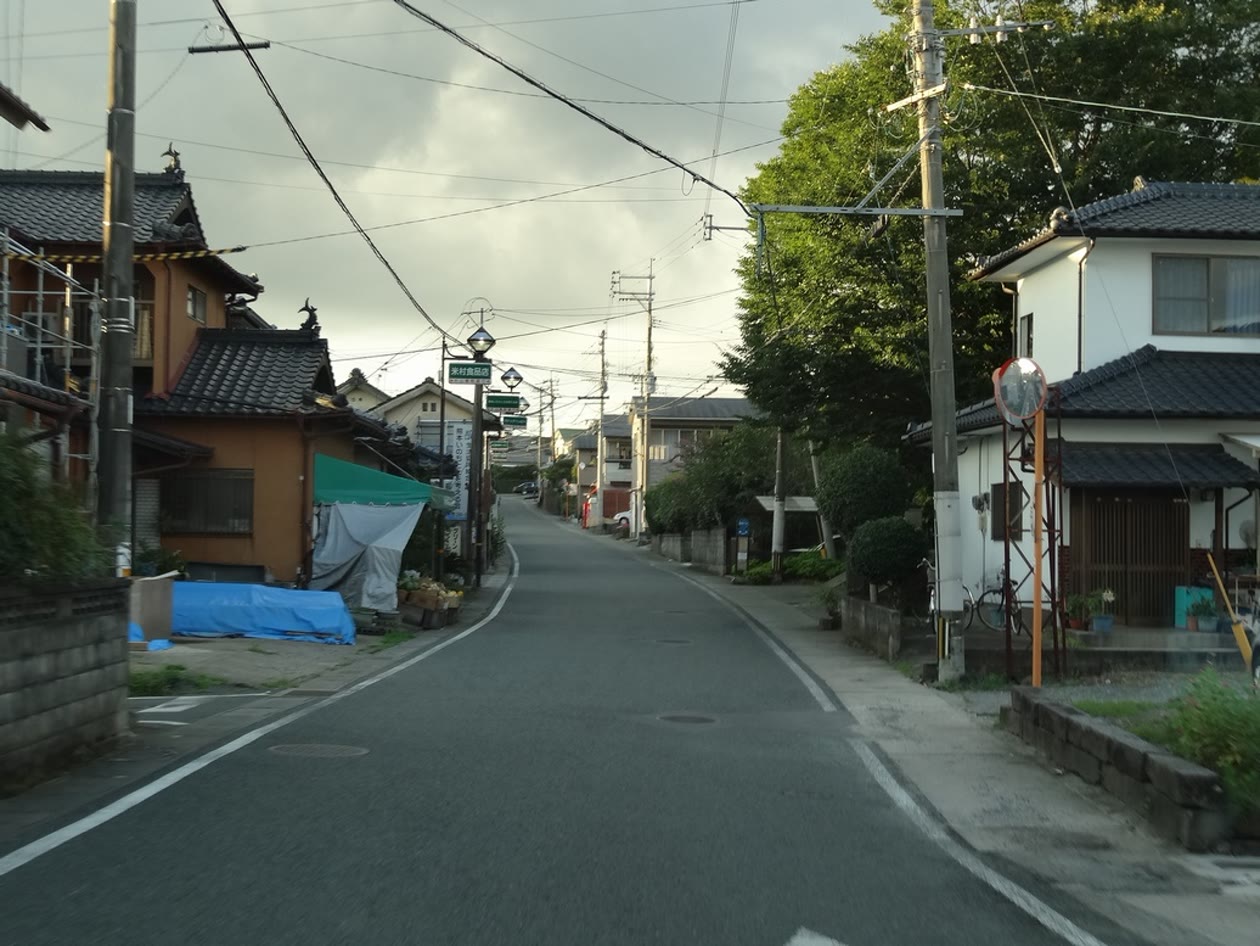
Obok tego wszystkiego istnieje mniej widoczny nurt, najważniejszy dla osób szukających poza trzema największymi miastami: regionalne 空き家 (akiya) oraz poszukiwania w małych miejscowościach przez osoby, które chcą przestrzeni, domu do remontu lub bazy nad morzem w cenie niewyobrażalnej w Singapurze. Zainteresowanie to jest rozproszone, ale kilka obszarów pojawia się często: Kiusiu w okolicach Fukuoka, a także Nagano wyżyny poza kurortami narciarskimi, Morze Wewnętrzne Seto oraz wiejskie obszary Kansai. Wskazuje to na zakupy na własny użytek, a nie dla rentowności -- poszukiwania osób, którym bardziej zależy na domu w Japonii niż na wpływach z czynszu. Szerszy obraz miejsc, w których kapitał zagraniczny zwykle osiąga najlepsze wyniki, przedstawia nasz przewodnik po najlepszych regionach dla inwestorów zagranicznych szczegółowo je opisuje.
Praktyczne kwestie, które powinien znać każdy kupujący z Singapuru
Otwartość Japonii nie oznacza braku przeszkód. Kilka kwestii zaskakuje osoby z Singapuru kupujące po raz pierwszy.
Nie ma ABSD, ale są koszty nabycia. Zapłacisz podatek od nabycia nieruchomości, podatek rejestracyjny i licencyjny, opłatę skarbową od umowy oraz prowizję pośrednika (z ustawowym limitem). Na te jednorazowe koszty przeznacz dodatkowo około 6% -- 10% ceny. Następnie przez cały okres posiadania nieruchomości co roku płaci się podatek od majątku trwałego i podatek na planowanie przestrzenne. Żadna z tych opłat nie zbliża się do singapurskiej dopłaty wynoszącej 60%, ale nie są one zerowe. Nasze zestawienie podatków faktycznie płaconych przez zagranicznych właścicieli przedstawia konkretne kwoty.
Finansowanie jest trudne bez statusu rezydenta. Japońskie banki rzadko udzielają kredytów cudzoziemcom bez statusu rezydenta, dlatego większość kupujących z Singapuru płaci gotówką lub organizuje finansowanie we własnym kraju. Jeśli liczysz na japoński kredyt hipoteczny, przeczytaj dlaczego japońskie banki nie sfinansują Twojego zakupu i jakie są inne możliwości zanim podejmiesz zobowiązanie.
Własność nie daje prawa pobytu. Kupno domu daje Ci składnik majątku, a nie wizę. Jeśli planujesz mieszkać w Japonii, kwestia prawa pobytu jest całkowicie niezależna od zakupu nieruchomości i należy ją rozwiązać w pierwszej kolejności.
Możesz kupić zdalnie, ale potrzebujesz ludzi na miejscu. Zakup zdalny wymaga pomocy anglojęzycznego pośrednika oraz 司法書士 (shihō shoshi), który zarejestruje Twoje prawo własności. W kwestiach prawnych i zgodności z przepisami współpraca z licencjonowanym biurem pośrednictwa specjalizującym się w obsłudze zagranicznych kupujących, takim jak Akiya Japan Buyer Support, our licensed partner agent, może zaoszczędzić czas i zapobiec kosztownym błędom wynikającym z niewłaściwego zrozumienia umowy w języku, którego nie znasz biegle. Możesz book a consultation with Akiya Japan Buyer Support aby omówić konkretną nieruchomość.
Większość osób zaczyna od sprawdzenia, czy cudzoziemcy rzeczywiście mogą posiadać tu nieruchomości bez ograniczeń i bezterminowo. Jeśli jeszcze tego nie sprawdzono, nasz artykuł o tym, czy cudzoziemcy mogą kupować nieruchomości w Japonii wyjaśnia tę kwestię, a praktyczny przewodnik dla kupujących z Singapuru i Malezji opisuje przebieg zakupu.
Błędy, których należy unikać
Osoby żałujące zakupu zwykle popełniły jeden z kilku błędów. Skusiła je bardzo niska cena w wyludniającej się miejscowości bez popytu na wynajem, a potem nie mogły znaleźć najemców ani sprzedać nieruchomości. Kupiły tanie akiya, licząc na niewielkie odświeżenie, po czym odkryły konieczność prac konstrukcyjnych, które podwoiły koszty. Założyły, że rentowność podana w ogłoszeniu jest wartością netto, choć była to wartość brutto, przed odliczeniem opłat za zarządzanie, podatków i okresów bez najemców. Albo potraktowały własność jako skrót do zamieszkania w Japonii i odkryły, że wiza to osobny, trudniejszy problem.
Rozwiązanie w każdym przypadku jest takie samo: dopasuj nieruchomość do rzeczywistego celu. Inwestor szukający rentowności powinien kalkulować zwrot netto, a nie brutto. Osoba kupująca na własny użytek powinna uwzględnić pełny koszt remontu, a nie jego optymistyczny wariant. Osoba planująca przeprowadzkę powinna załatwić wizę przed kredytem hipotecznym. Japonia sprzyja kupującym, którzy wiedzą, do którego z czterech typów należą.
Dlaczego zainteresowanie nadal rośnie
Inwestycje w japońskie nieruchomości osiągnęły rekordowy poziom ¥6.5 biliona w 2025, co oznacza wzrost o około jedną trzecią rok do roku, a kupujący z zagranicy byli jedną z głównych sił napędowych. CBRE spodziewa się zbliżonego wyniku w 2026. Udział Singapuru rośnie, ponieważ stojące za tym czynniki nie mają charakteru cyklicznego. Bariera podatkowa wynosząca 60% w kraju pozostaje bez zmian. Pełna własność w kraju G7 za ułamek singapurskich cen nie jest chwilową modą. A słaby jen, zanim jego kurs ostatecznie się odwróci, zapewni korzystny moment zakupu całej dekadzie kupujących.
Ostatecznie kupujący z Singapuru szukają w Japonii tego, czego nie zapewniają im ceny we własnym kraju: realnego majątku na pełną własność, w stabilnym miejscu, za cenę pozostawiającą swobodę finansową. Cztery typy kupujących szukają tego po prostu w czterech różnych formach.
Ceny i kursy walut w tym artykule są orientacyjne i stale się zmieniają. Walutę wyświetlaną w całym serwisie Akiya Japan można zmienić za pomocą ikony globusa u góry strony.
Źródła
- South China Morning Post -- Singapurczycy masowo kupują nieruchomości w Japonii, przyciągani przez Tokyo, Osaka i słabego jena
- PropertyGuru Singapore -- Przewodnik po stawkach ABSD dla drugiej nieruchomości, stałych rezydentów i cudzoziemców
- Redbrick -- Wyjaśnienie stawek ABSD w Singapurze (2026)
- CBRE Singapore -- Perspektywy rynku japońskiego 2026
- Jim Tay -- Przewodnik po japońskich nieruchomościach dla inwestora z Singapuru (2026)
- Global Property Guide -- Analiza japońskiego rynku nieruchomości mieszkaniowych 2026