Asia's Most Liveable Gateway City
Living in Fukuoka
Japan's fastest-growing major city — a compact, food-obsessed port city that sits closer to Seoul and Shanghai than it does to Tokyo, with a startup energy and a bowl of tonkotsu ramen at every corner.
A major Japanese city small enough to live without a car — Hakata and Tenjin connected by 15 minutes on foot, airport to city centre in 5 minutes by subway.
The city that invented tonkotsu ramen, sustained the yatai stall tradition, and operates a food culture dense enough that serious eating happens at every price level.
Seoul in 90 minutes by air, Busan overnight by ferry — Fukuoka's international connectivity is the most direct of any Japanese city not named Tokyo.
Japan's fastest-growing major city, with startup-zone designation, active international resident support, and a property market reflecting demand that older major cities are not generating.
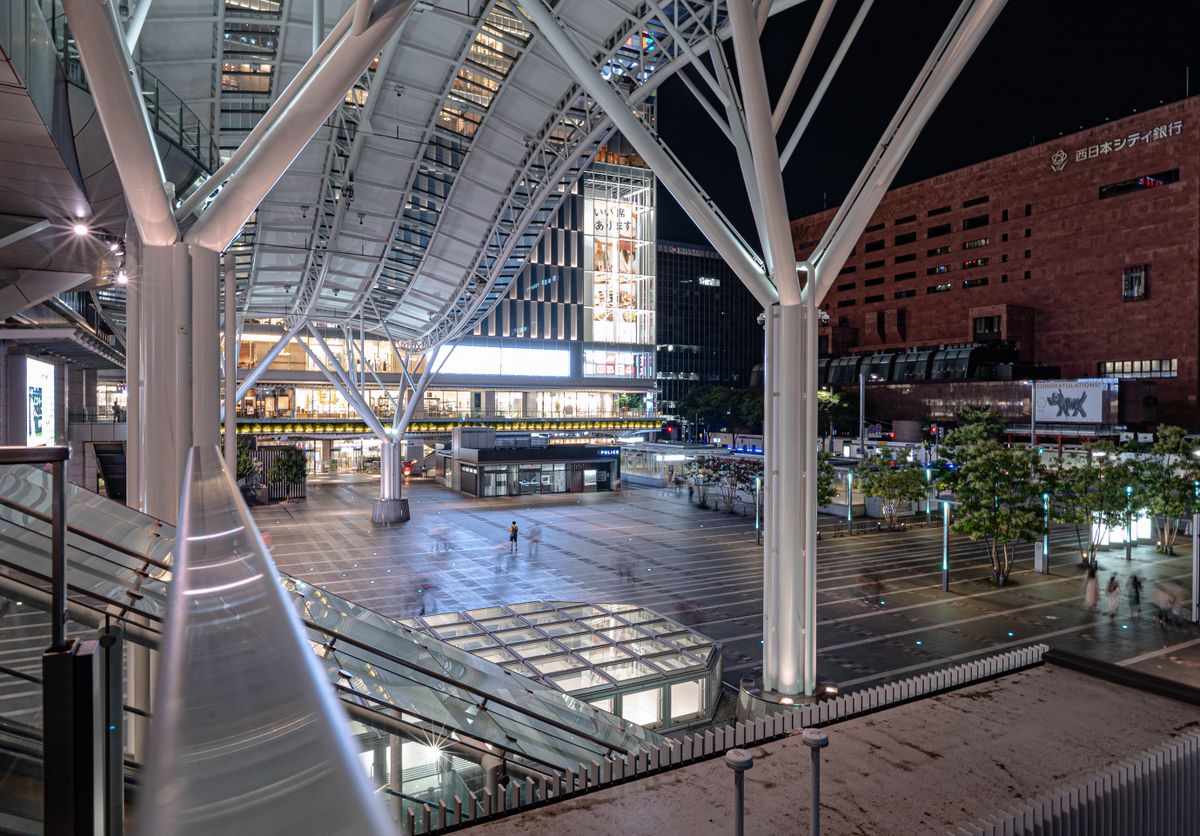
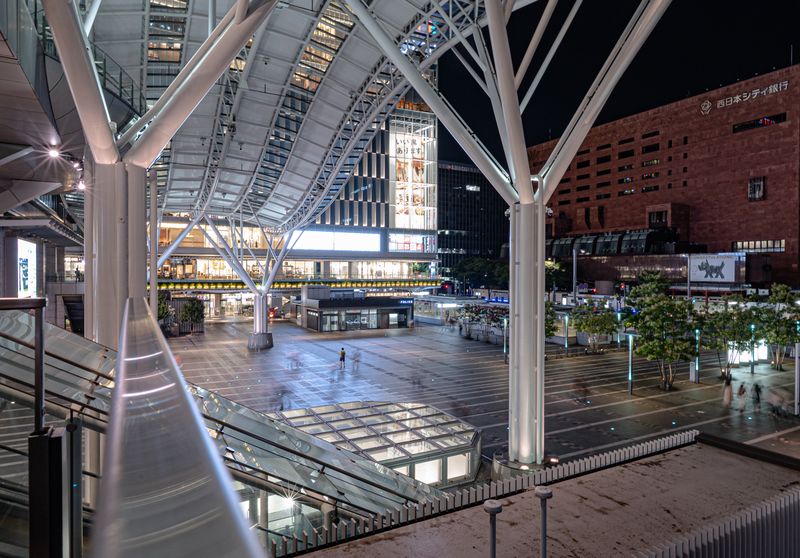
Hakata Station at Night
Hakata Station — the Shinkansen terminus and commercial hub of Fukuoka, where the city's energy concentrates in the evenings.
Ohori Park
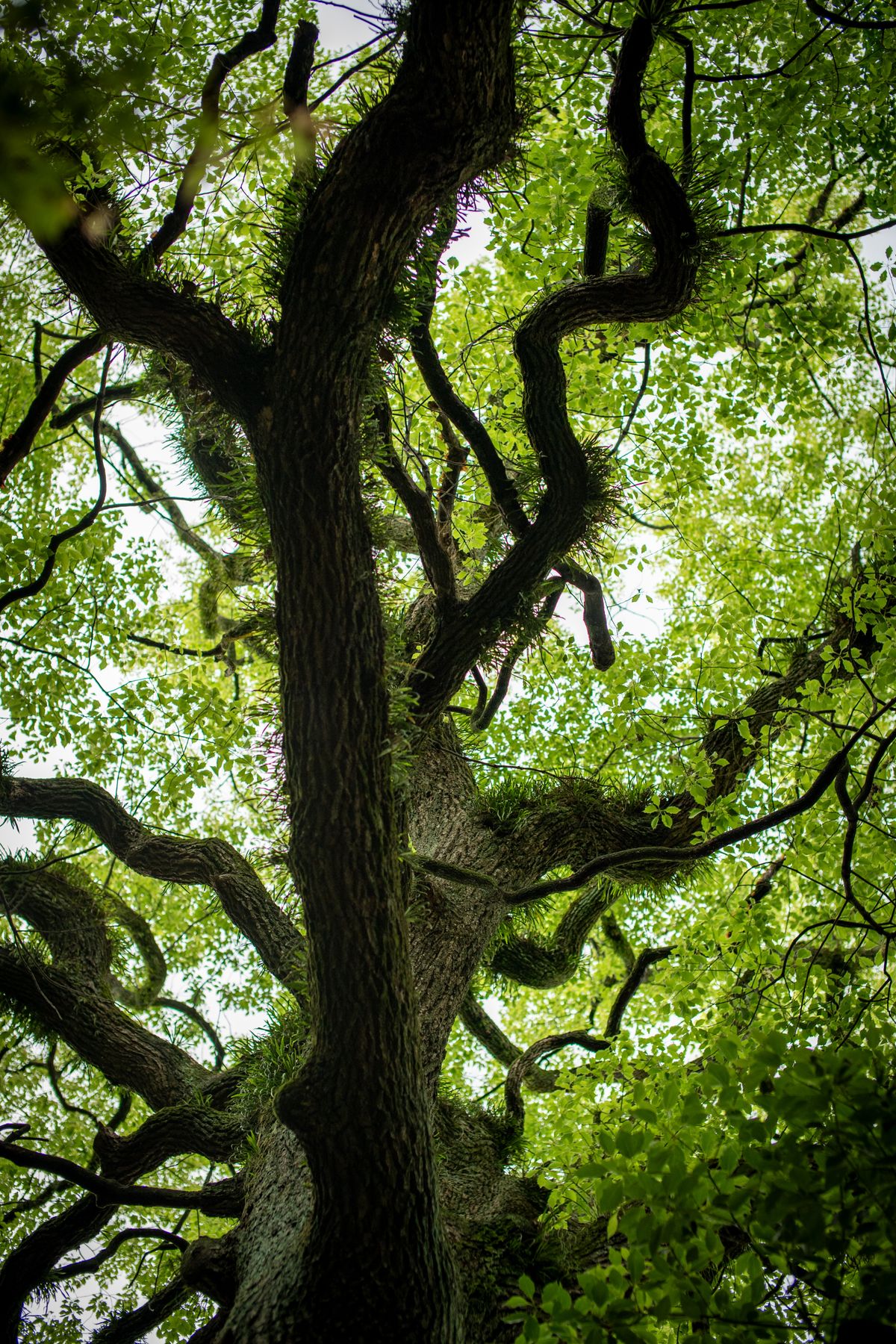
Ohori Park's lake circuit — the large park built in the former Fukuoka Castle grounds, ringed by a 2km walking path.
Hakata Tonkotsu Ramen
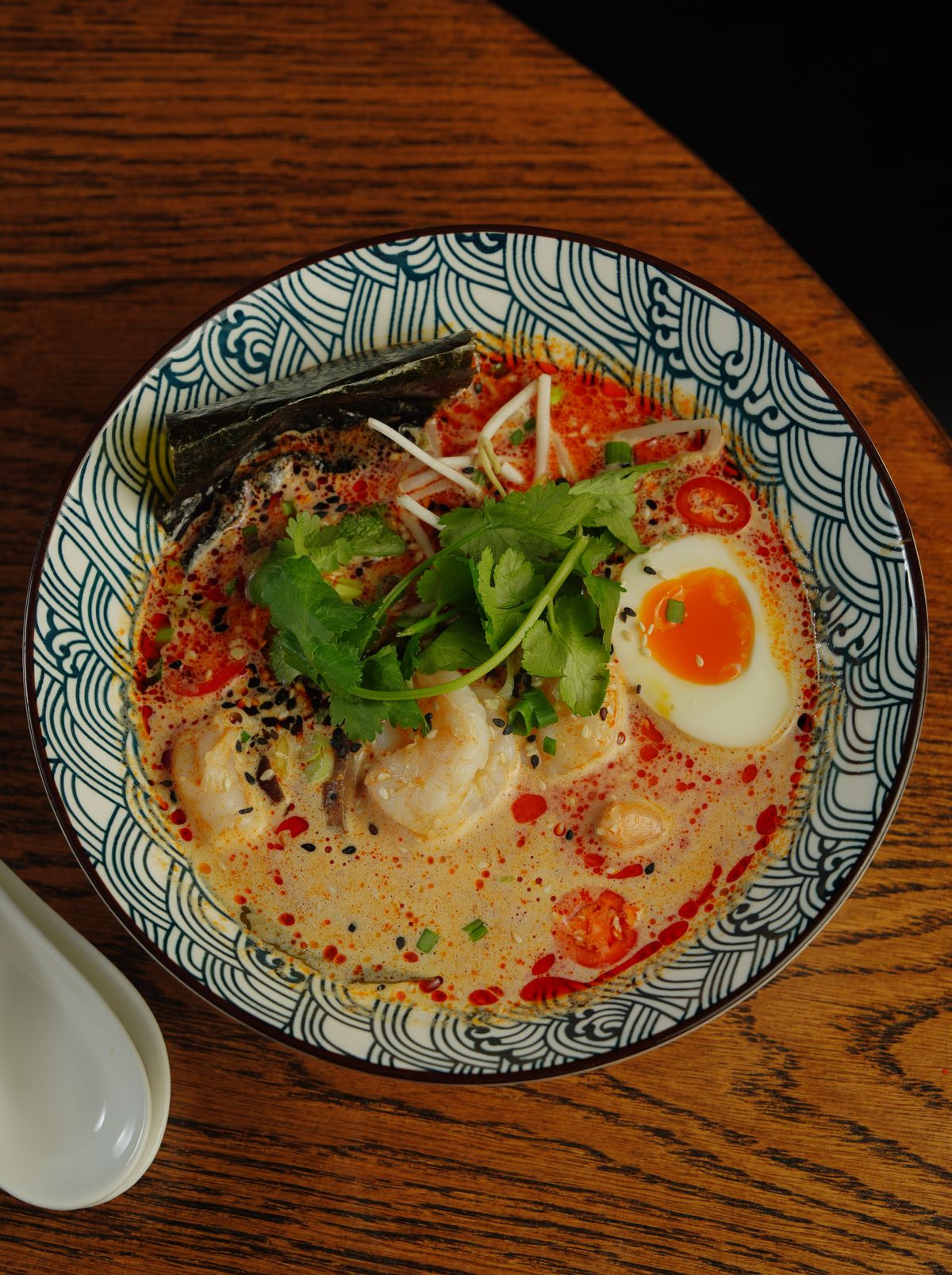
Tonkotsu ramen — thin noodles, creamy pork-bone broth, soft-boiled egg. The Hakata bowl style was invented here and is still best here.
Why People Choose Fukuoka
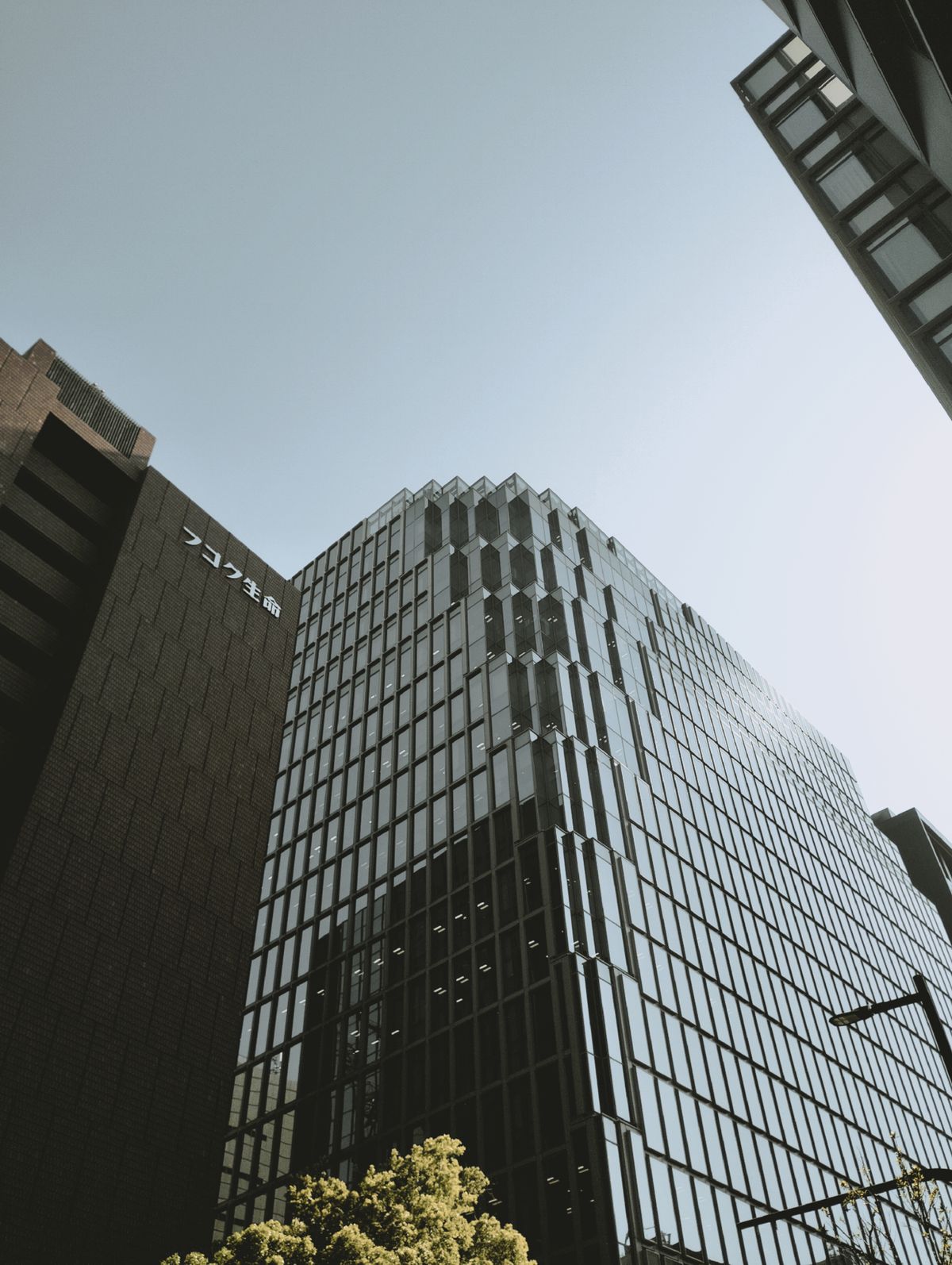
Fukuoka has been growing when other Japanese cities are not. Its population is increasing, its startup ecosystem is the most active in Japan outside Tokyo, its international residents are growing, and its property market reflects demand that Osaka and Nagoya have not seen in the same way. The city has been granted special administrative status as a national strategic special zone for startup activity, and the effects are visible in the Tenjin Big Bang redevelopment (replacing the ageing Tenjin commercial district with new tower-format mixed-use buildings) and in the tech and creative industry concentration that has followed.
The quality-of-life argument is simple: Fukuoka is compact, food-rich, has Asia-facing transport that no other major Japanese city can match, and costs meaningfully less than Osaka or Tokyo for equivalent housing. The city government has actively marketed to foreign residents and remote workers since 2015, and the English-language support infrastructure (healthcare, registration, administrative guidance) reflects that investment.
Fukuoka is compact by major-city standards — Hakata Station and Tenjin (the two main hubs) are 15 minutes apart on foot. The subway covers the city efficiently. Car ownership is possible but unnecessary in the urban core.
Hakata Shinkansen to Osaka is 2h15, to Tokyo 5h (most fly). Fukuoka Airport is 5 minutes from Hakata Station by subway — the most accessible major airport in Japan. Ferries to Busan (South Korea) run overnight; flights to Seoul are 90 minutes.
Central Fukuoka apartments (Hakata, Tenjin, Nakasu) ¥8M–¥20M. Suburban houses (Kasuga, Onojo, Itoshima) ¥5M–¥12M. Rural Fukuoka prefecture akiya from ¥300K. Cheaper than Osaka, significantly cheaper than Tokyo.
The station and entertainment district — the yatai along the Naka River, Fukuoka's best ramen, and the densest concentration of food culture in a small area.
The commercial and fashion centre — department stores, the underground shopping mall, and the café and bar neighbourhood of Daimyo that Fukuoka creatives use as a home base.
The coastal suburb 40 minutes west — beaches, organic farms, weekend seafood, and a slow-food reputation that draws Tokyo transplants looking for something genuinely different.
The historical town 30 minutes south — Dazaifu Tenmangu shrine, the Kyushu National Museum, and a slower pace that makes it a popular day-trip from the city and a realistic move for remote workers.
Where To Start
Four ways to start in Fukuoka
The Naka River yatai are Fukuoka's most distinctive food experience — eight seats, no reservations, whatever the owner decides to cook that night. Go early in the evening before the stalls fill. The Nakasu and Tenjin clusters are the main ones.
Hakata ramen (thin noodles, creamy tonkotsu broth) is different from the tourist version served in Tokyo ramen shops. Shin-Shin in Tenjin and Ichiran's original location in Hakataare the correct starting points for a serious comparison.
Itoshima on a Sunday gives the clearest sense of what coastal Kyushu residential life looks like at its most appealing — beach road cafes, oyster shacks open from midday, and the kind of slow pace that is difficult to find 40 minutes from a major city.
Take the Beetle ferry overnight to Busan or a 90-minute flight to Seoul — for buyers considering Fukuoka as a base for regular Asia travel, the connection is as easy as advertised and meaningfully changes the cost calculation of international access.
Daily Life
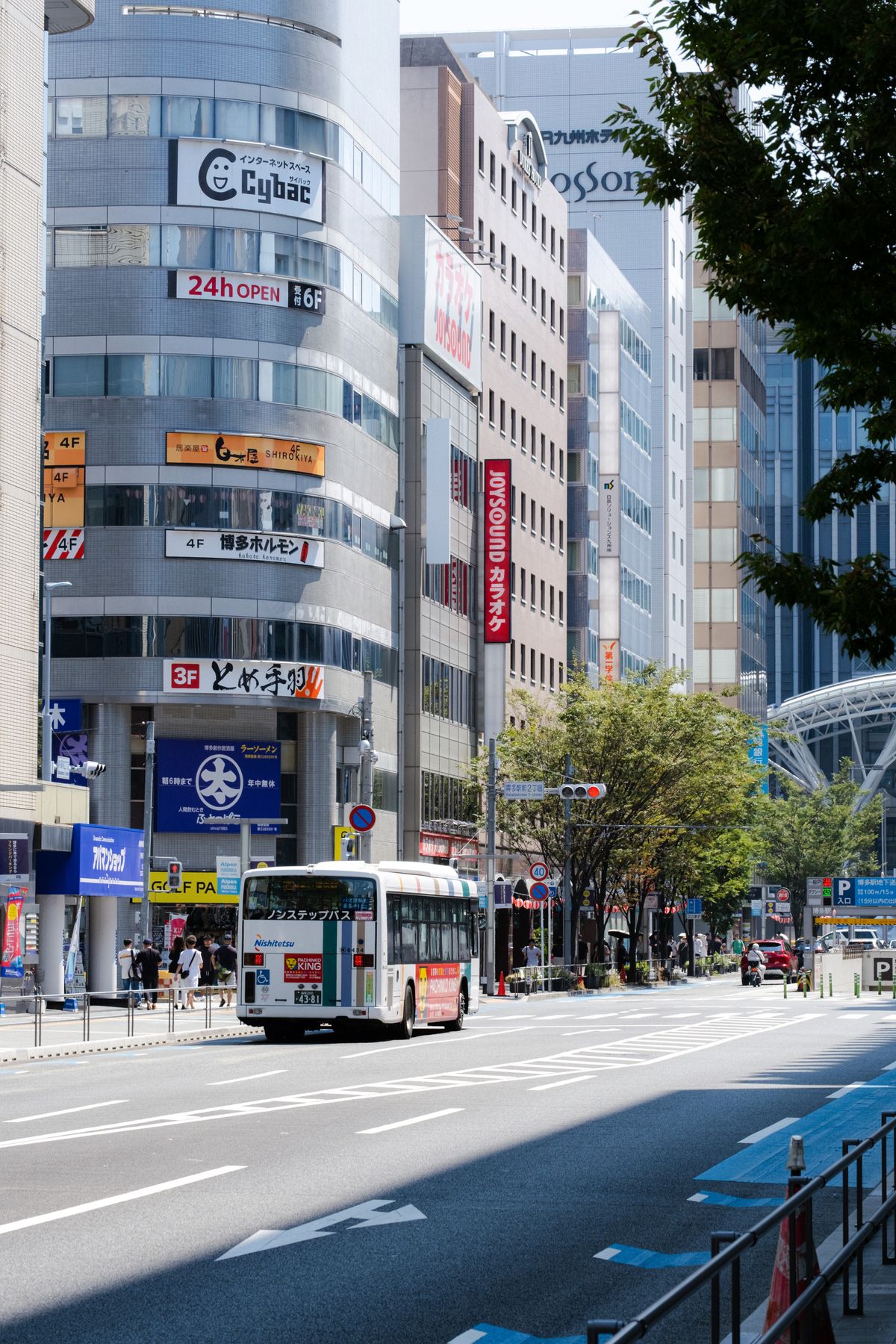
Fukuoka's practical geography is its main daily-life advantage. The subway runs three lines connecting the airport, Hakata Station, Tenjin, and the residential western wards. The city is compact enough that a bicycle handles most errands without subway involvement. Fukuoka's covered commercial zones — the Kawabata arcade, Tenjin Core and Solaria, and the Hakata station mall — are extensive but manageable in a way that Tokyo's equivalents are not.
The city has a startup-friendly visa pathway and has run English-language support programmes for international residents since 2015. The number of international residents is growing faster here than in any other Japanese city outside Tokyo. The social scene is genuinely international in a way that reflects Fukuoka's geographic position — the Korean and Chinese communities are substantial, and the food and cultural cross-pollination is visible in daily life.
Food and Drink
Hakata ramen — thin straight noodles in a creamy, opaque tonkotsu (pork-bone) broth, eaten with pickled ginger, sesame, and karashi takana (spicy pickled mustard greens) — was invented in Fukuoka in the 1940s and has become one of Japan's most globally exported dishes. The home version is eaten at a counter, very fast, with free extra noodles (kaedama) added to the remaining broth when the bowl is nearly empty. Ichiran (solo-dining booths, customisable broth, flagship in Hakata) and Shin-Shin (simpler, cleaner broth) are the two most discussed starting points for an honest comparison.
The yatai stall culture along the Naka River and in the Tenjin underground is Fukuoka's most photographed food format: open-fronted cooking stalls seating six to ten people, operating in the evening and late night, serving yakitori, oden, motsunabe (offal hotpot), and whatever the owner has sourced that day. The experience is domestic in scale — conversation at yatai is not optional. Itoshima's oyster shacks, operating through winter when the Pacific oysters are at their peak, represent the coastal version of the same direct-supply food culture.
Culture and Events
The Kyushu National Museum in Dazaifu (30 minutes south by train) opened in 2005 and houses the fourth national museum in Japan — focused specifically on cultural exchange between Japan and Asia, which reflects Fukuoka's actual historical position as the point of entry for Chinese and Korean cultural influence into the archipelago. Dazaifu Tenmangu (dedicated to Sugawara no Michizane, god of scholarship) is one of the most visited shrines in Japan and the centrepiece of a temple town that has managed tourism without entirely losing its function.
The Hakata Gion Yamakasa festival (July) has been running since 1241 and culminates in the Oiyama race — teams of men carrying one-tonne floats at running pace through the streets of Hakata at 5am. It is loud, genuinely dangerous by spectator standards, and a point of intense local pride. The Dontaku festival (May) fills central Fukuoka with parades and traditional performing arts over two days and draws approximately two million people.
Weekends and Escape
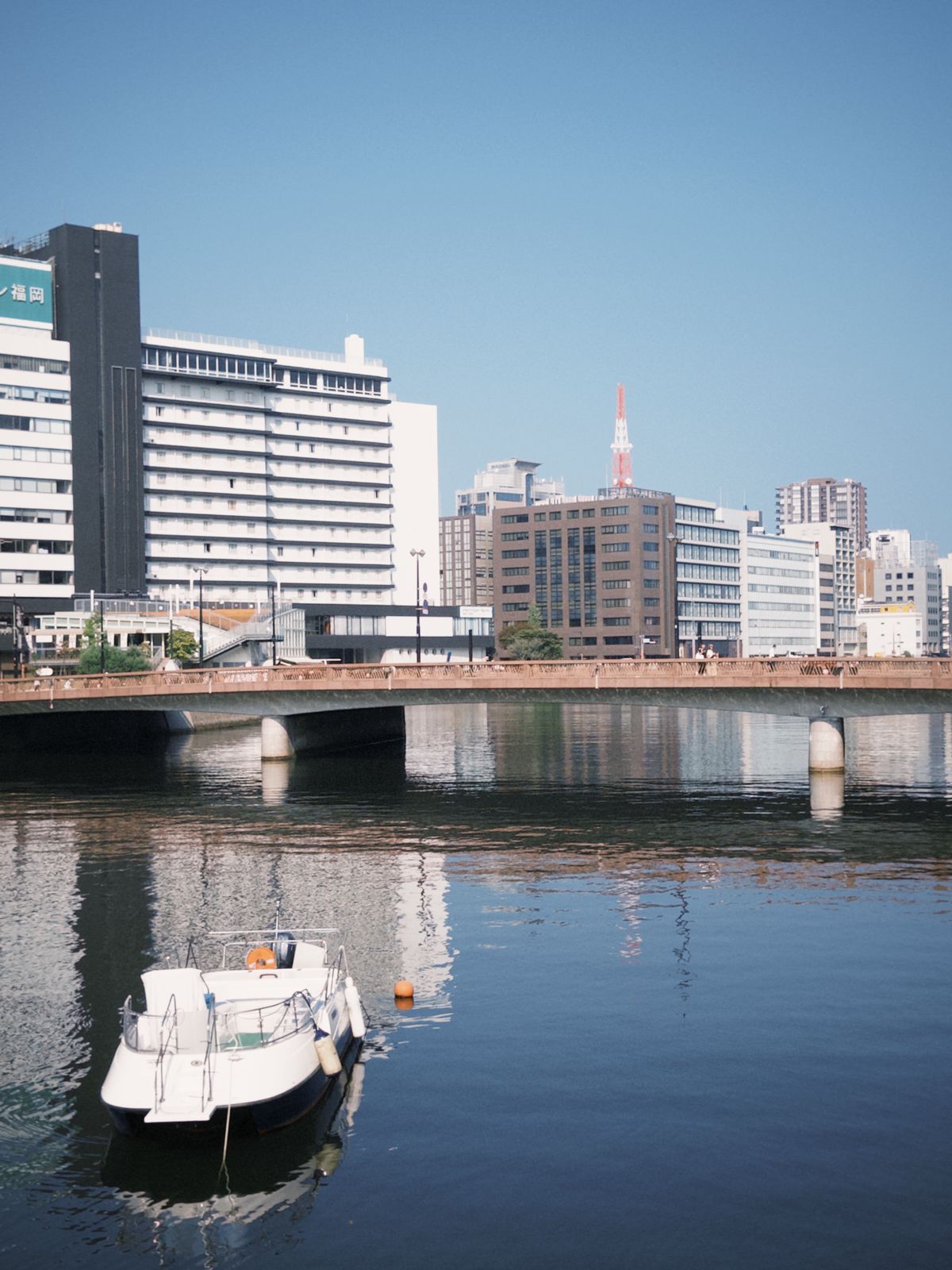
Itoshima is Fukuoka's most visible lifestyle suburb: a seaside area 40 minutes west by car or train that has developed a cluster of farm cafés, organic food producers, beach-facing restaurants, and coastal accommodation that makes it one of the most sought-after areas in western Japan for slow-living buyers. The oyster shacks in Shima operate through winter — you buy oysters by the kilogram, grill them yourself on an outdoor charcoal grid, and eat them with lemon and ponzu in a corrugated-iron structure next to the sea. The Itoshima address has become a semi-aspirational identity for Fukuoka transplants in the way that certain Shonan beach towns are for Tokyo buyers.
Beppu (1h30 by Shinkansen) in Oita is Japan's most abundant hot-spring destination — eight different spring zones (the "eight hells"), a cooking culture built on onsen-steamed food, and a resort atmosphere that makes it a natural weekend from Fukuoka. Kumamoto (45 minutes by Shinkansen) gives Kumamoto Castle and the Aso volcanic caldera — a 90,000-year-old crater rim 25km across that you drive around with active volcanic gas visible on clear days.
Three Days In Fukuoka
A simple first-trip route
Lunch at a Hakata ramen counter, afternoon through the Kawabata shopping arcade, evening at one of the Naka River yatai for yakitori and sake. The evening is the point — yatai culture only makes sense in person.
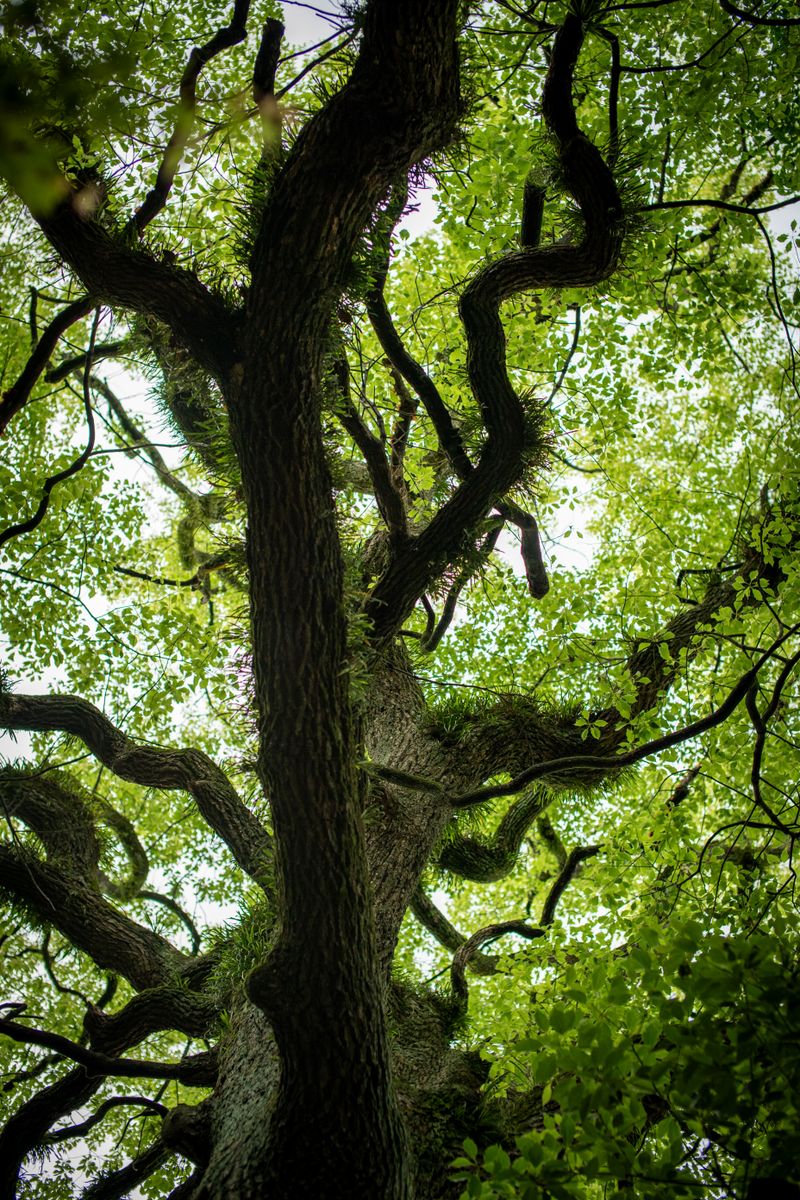
Morning around the Daimyo neighbourhood cafés and the underground Tenjin shopping mall, afternoon walking Ohori Park's lake circuit (the large park in the former castle moat), evening in Yakuin for the bar and restaurant density.
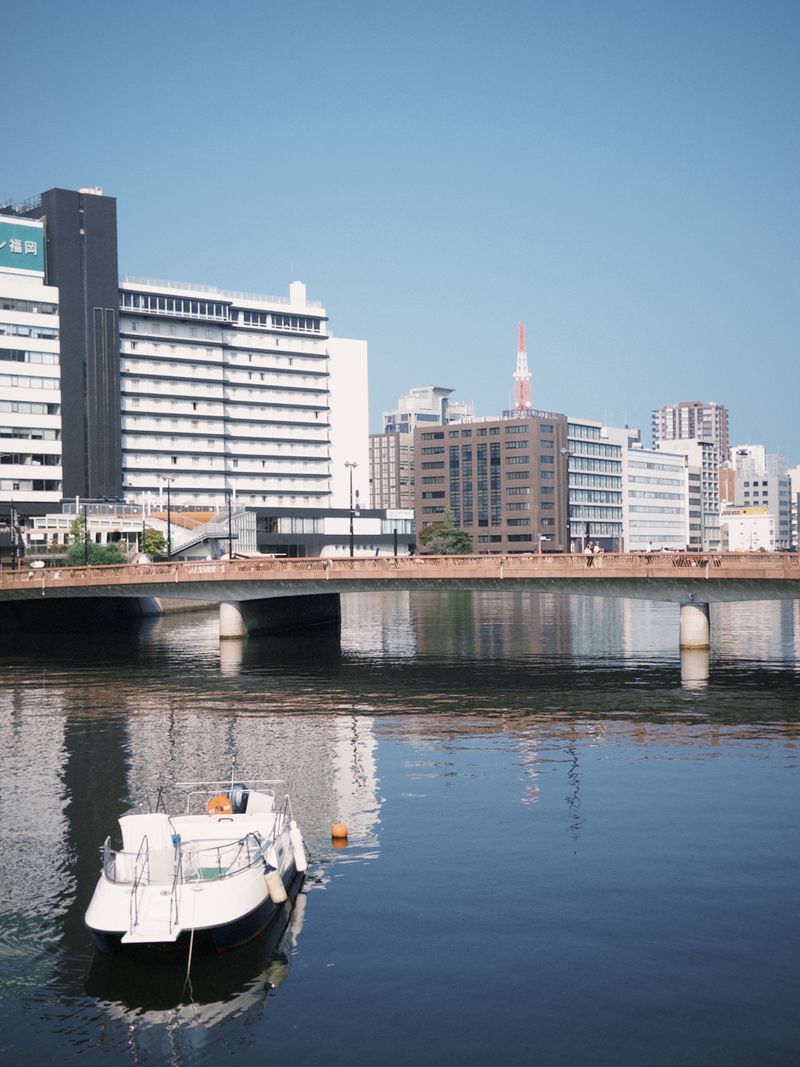
Drive or train to Itoshima for the coastal cafes and oyster shacks (Sunday is the busy day, which is the one to test), or the 30-minute subway-and-rail to Dazaifu for Tenmangu shrine and the national museum.