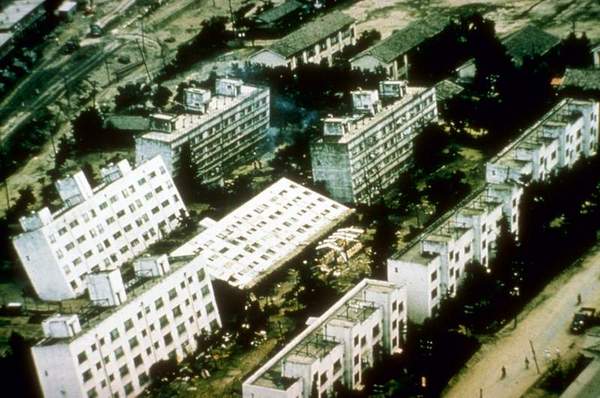
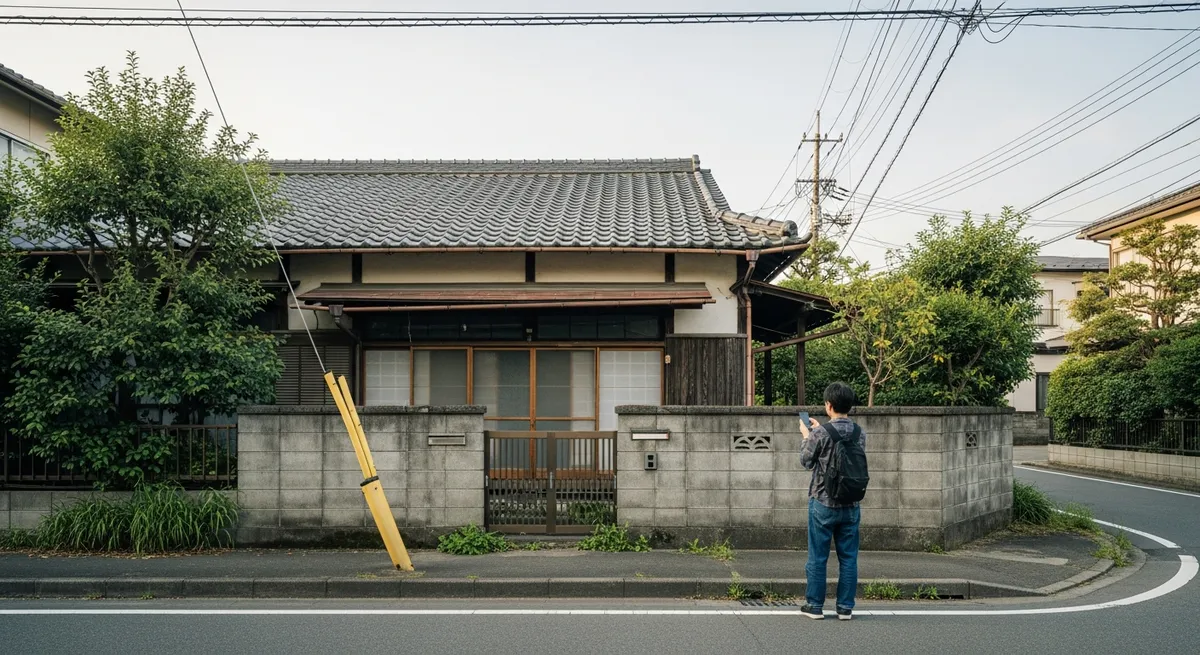
The short answer is yes, but not the way the headlines make it sound. A handful of Japanese towns do hand over houses for ¥0. Most of the country's 9 million empty homes are not free and never will be. Qualifying for one of the free ones takes more than filling out a form, and "free" still comes with real costs once you own the place.
Where the "free houses" story comes from
Japan has 9.002 million vacant homes, per the Ministry of Land, Infrastructure, Transport and Tourism's (MLIT) October 2023 housing survey, which puts the nationwide vacancy rate at 13.8%. About 3.86 million of those fit a narrower category -- not for sale, not for rent, not a second home, just sitting empty (5.9% of all dwellings). That's the number behind every "Japan has a ghost house problem" headline you've seen.
A separate idea gets mixed into the free-house stories. 空き家 (akiya, meaning "empty house") is just the Japanese word for any vacant property. It does not mean free, abandoned, or government-owned. Most akiya are privately owned, often by an heir who inherited a parent's house and has no use for it. The "free" part is a much smaller story sitting inside that bigger one.
So is any of it free?
Yes. Roughly 1,155 municipalities now take part in the national akiya bank (空き家バンク, akiya banku) system, a directory where local governments list vacant homes submitted by their owners. About 750 of those towns currently have live listings, totaling close to 20,000 entries nationwide according to MLIT's most recent count. That figure already folds in some overlap between the two private listing services MLIT aggregates, so treat it as directional rather than an exact inventory. A small slice of that total, concentrated in towns actively trying to stop their population from shrinking further, is priced at literally ¥0.
Okutama, a mountain town two hours from central Tokyo by train, runs two separate programs. Its standard akiya bank has operated since 2010 and targets people committing to settle there permanently, with eligibility brackets that have shifted over the years but commonly run around couples in their 40s or younger, families with a child still in school, or singles under 35; recipients are expected to live in the house. Since 2020 the town has also run a second, looser "0-yen akiya bank" for properties that don't fit that settlement program. It carries no residency requirement at all -- recipients don't have to live there, can use the building as a studio, storage space, or vacation home, and can even demolish it if they choose. The town separately pays owners who hand a vacant house over to either bank in the first place, which is a big part of why Okutama has more free listings than most of its neighbours.
Other towns run similar programs with their own age brackets, family requirements, and minimum stay periods, usually somewhere between five and fifteen years before you can sell or leave without repaying anything. None of it is a lottery or a giveaway to whoever asks first. You apply, the town reviews you, and a resident who plans to live there and contribute to the local economy ranks well above an absentee buyer looking for a bargain.

Why a town gives a house away instead of selling it
A ¥0 listing is not charity. It is a transfer of liability. In Japan, the person who owns land pays fixed asset tax every year whether anyone lives on it or not, and since the 2015 Vacant House Special Measures Act, a structure the municipality labels a "specified vacant house" (特定空き家, tokutei akiya) can lose the tax break that used to make holding an old building cheaper than demolishing it. An heir in Osaka who inherited a parent's falling-down house two prefectures away has no reason to keep paying that bill on a building they will never live in and cannot find a buyer for.
The town has its own reason to want the house occupied. A resident pays local taxes, sends kids to the local school if there is one left, buys groceries at the local store, and is one more name keeping a shrinking town's population count from the threshold where services start to get cut. A 2014 report by the Japan Policy Council, a private panel chaired by former internal affairs minister Hiroya Masuda, projected that 896 of Japan's roughly 1,800 municipalities could effectively disappear by 2040 as their population of women aged 20 to 39 halves. A 2024 update by the Population Strategy Council, using 2050 as its horizon, still put 744 municipalities at the same kind of risk. Giving a house away to a family willing to move in is cheaper, for the town, than losing the resident entirely.
What "free" does not include
The purchase price is the smallest number in the whole transaction. Akiya listed at ¥0 are frequently 30, 40, or 50 years old, built to an earlier seismic code, and sitting empty long enough that wiring, plumbing, and roofing need real work before anyone can safely live inside. Renovation costs for a livable result commonly run ¥2,000,000至¥10,000,000, depending on the house's condition and how much of the interior gets replaced. There are four more costs on top of that.
- Registration and transfer costs. Even a ¥0 sale goes through a 司法书士 (司法書士, shihō shoshi) who registers the title change, plus registration tax on the property's assessed value, not its sale price.
- Ongoing fixed asset tax, due annually regardless of what you paid.
- A residency or minimum-stay condition, usually enforced by a contract clause requiring you to repay a portion of any subsidy if you move out early.
- Demolition risk. If the structure turns out to be beyond saving, demolition itself can run into the millions of yen, money a free purchase price does nothing to offset.
None of this makes a ¥0 house a bad deal. It makes "free" the wrong word. A more accurate one is subsidized. The town absorbs part of the cost of getting a house back into use, and you absorb the rest in cash and time.

外国人でも取得できますか?
ほとんどの町では、標準的な定住プログラム(奥多摩町の無条件「0円」制度を除く)で日本人の申請者と同じ居住要件を満たせば可能です。日本での不動産所有には市民権やビザの要件は一切ありません。 外国人は日本で不動産を購入できます 地元の購入者と同様に、完全に購入可能です。¥0の定住プログラムに必要なのはそこに住むことであり、それは所有権とは別の問題です。観光ビザでは住民登録ができず、日本で家を所有してもそこに住むためのビザは自動的に付与されません。有効な 在留資格 が必要です。まずは仕事、配偶者、退職、またはその他のビザ区分を通じて在留資格を取得し、その後、町があなたを空き家バンクの対象申請者として登録します。
一部の空き家は、¥0制度を通さず、通常の市区町村の空き家バンクや公開市場で低価格で掲載されています。これには日本でよく知られた ¥1住宅 も含まれ、居住条件は一切なく、居住意思のない非居住者でも購入できます。これらは別のカテゴリーで、無料ではなく安価であり、移住せずに日本の不動産を求める購入者にとってより現実的な選択肢です。
探す場所
参加している各自治体は、それぞれ独自の空き家バンクページを運営しており、通常は日本語のみで、ほとんどの場合、その町の住民が提出した物件のみを掲載しています。そのため、物件プールは常に変動し、特定の町では数か月間何も利用できないことがあります。全国のすべての¥0物件を一度に表示する単一の全国ポータルは存在しないため、オンラインで流通する情報のほとんどは、同じ町が繰り返し言及される少数のものに限られます。空き家バンクの物件と公開市場での購入を比較する詳しい方法については、 空き家バンクか民間市場か?
民間市場では、住宅は無料ではなく安価ですが、居住条件はありません。 現在の物件を閲覧する ことで、英語で迅速に、都道府県ごとに、写真と価格が upfront に表示された販売中の物件を確認できます。特定の物件を検討している場合、渡航前に物件の状態についてセカンドオピニオンが欲しい場合、または日本語で売主に最初の連絡を取る必要がある場合、 Akiya Japan 購入サポート(当社のライセンス仲介業者)がその対応を行います。30分の相談はUS$25で、 予約ページ または物件掲載ページの緑色の「購入サポート」ボタンから予約できます。

無料住宅の背後にある条件
日本は、特定の町で、特定の条件のもと、特定のタイプの購入者に住宅を無料で提供しています。その購入者は、移住し、長期間滞在し、住める状態にするために実際に費用をかける覚悟がある人です。観光客、投資家、無料物件を転売して利益を得ようとする人には住宅を提供しておらず、この制度を実施している町の数は、空き家を抱える数千の自治体のごく一部です。
日本の不動産への安価な参入方法として魅力を感じ、居住条件を付けたくない場合、民間市場と通常の(非ゼロ)市区町村空き家バンク物件がより現実的な選択肢です。そこでの価格は、手入れが必要な住宅で通常数十万円台から始まり、¥0提供に付随する条件はありません。この記事全体の換算はリアルタイム為替レートを使用し自動更新されます。ページ上部の地球アイコンで通貨を切り替えてください。